How Does Next-Generation Sequencing Work?
TL;DR
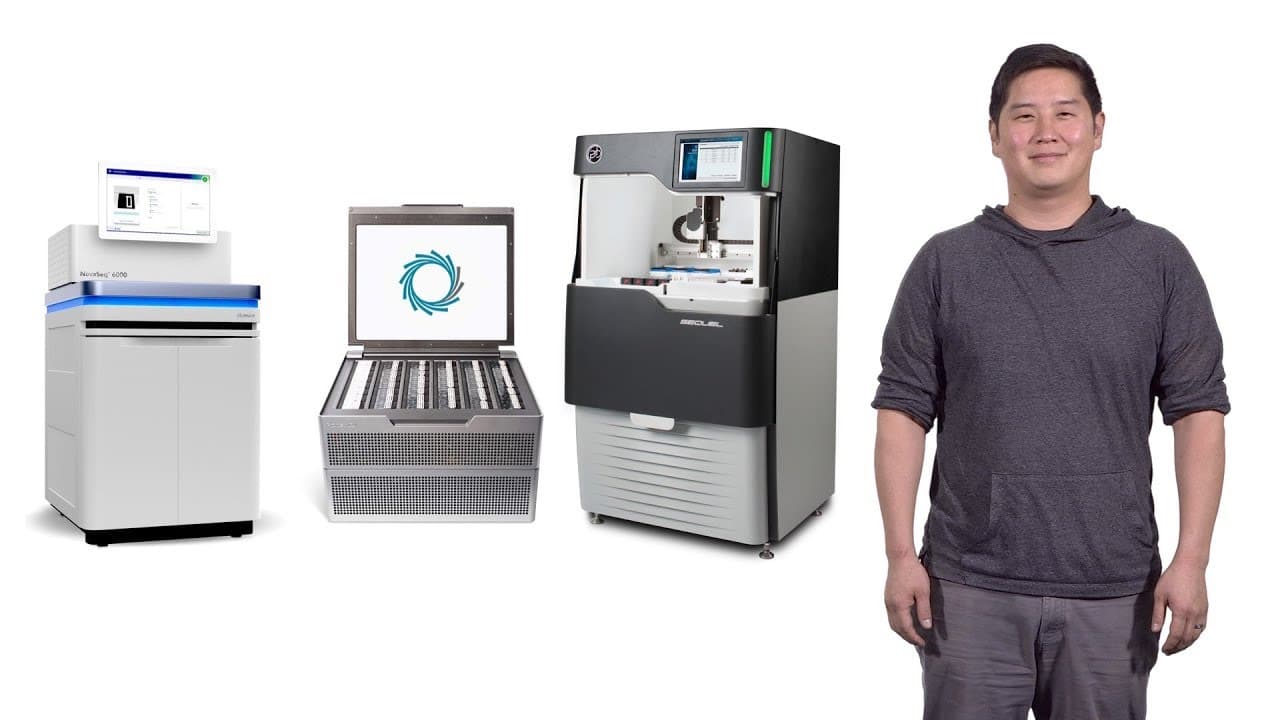
Next-generation sequencing (NGS) significantly reduces the cost and time required for sequencing DNA compared to traditional methods like Sanger sequencing. Illumina's platform dominates the market, offering high accuracy and throughput. NGS enables diverse applications such as prenatal testing, cancer detection, and pathogen identification, with ongoing developments promising further cost reductions and expanded uses.
Transcript
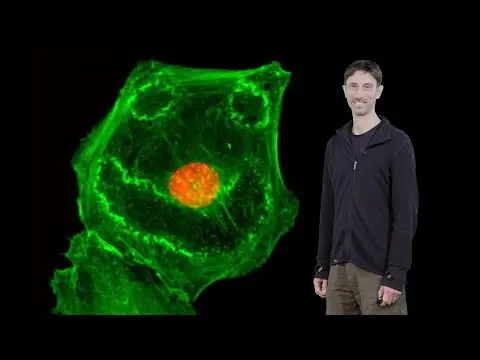
Hello, I'm Eric Chow. I'm an Assistant Professor at the University of California, San Francisco, and I'm gonna talk to you today about next-generation sequencing. The outline of our talk today will cover traditional sequencing first, and then we'll spend most of our time talking about Illumina Sequencing by Synthesis, which most next-gen sequencing... Read More
Key Insights
- Next-generation sequencing (NGS) drastically reduces sequencing costs and time compared to traditional Sanger sequencing.
- Illumina is the dominant player in the NGS market, offering high-throughput sequencing with millions to billions of reads per run.
- Illumina's sequencing by synthesis method uses imaging-based detection of fluorescently labeled nucleotides.
- Oxford Nanopore and Pacific Biosciences offer long-read sequencing technologies, allowing for longer reads but with higher error rates.
- NGS applications include prenatal testing, cancer detection, and pathogen identification, leveraging its high throughput and accuracy.
- The cost of sequencing a human genome has dropped from billions to around $1,000 and is expected to decrease further.
- NGS can detect chromosomal abnormalities, cancer mutations, and transplant rejection by analyzing DNA in blood samples.
- Future developments in NGS may lead to routine genome sequencing as part of medical records, posing challenges for data privacy.
Install to Summarize YouTube Videos and Get Transcripts
Explore YouTube Video Summarizer or Get YouTube Transcript Extractor
Questions & Answers
Q: How does next-generation sequencing reduce costs?
Next-generation sequencing (NGS) reduces costs through high-throughput technology that sequences millions to billions of DNA reads simultaneously. This is achieved through platforms like Illumina's, which use imaging-based methods to detect fluorescently labeled nucleotides. This parallel processing capability allows for rapid sequencing at a fraction of the cost of traditional Sanger sequencing, which requires more time and resources for fewer reads.
Q: What are the main platforms for next-generation sequencing?
The main platforms for next-generation sequencing include Illumina, Oxford Nanopore, and Pacific Biosciences. Illumina is the market leader, known for its high-throughput and accurate short-read sequencing. Oxford Nanopore offers portable devices capable of long-read sequencing, albeit with higher error rates. Pacific Biosciences provides long-read sequencing with random error patterns, allowing for accurate consensus sequences when reads are repeated.
Q: What is the role of Illumina in next-generation sequencing?
Illumina plays a dominant role in next-generation sequencing by providing high-throughput platforms that use sequencing by synthesis. This method involves imaging-based detection of fluorescently labeled nucleotides during DNA synthesis. Illumina's technology offers high accuracy and throughput, with the ability to sequence millions to billions of reads per run, making it a preferred choice for many sequencing applications.
Q: How does Oxford Nanopore's sequencing technology work?
Oxford Nanopore's sequencing technology works by threading single-stranded DNA or RNA through nanopores embedded in lipid membranes. The passage of nucleotides through these nanopores alters the electrical current, which is then measured to determine the sequence. This method allows for long-read sequencing, providing insights into larger structural variations within genomes, although it has a higher error rate compared to other technologies.
Q: What are the applications of next-generation sequencing in medicine?
Next-generation sequencing (NGS) has numerous applications in medicine, including prenatal testing, cancer detection, and pathogen identification. NGS can analyze fetal DNA in maternal blood for chromosomal abnormalities, detect cancer mutations by sequencing tumor DNA, and identify pathogens by differentiating non-human sequences in samples. These applications leverage NGS's high throughput and accuracy, enabling detailed genetic insights with less invasive procedures.
Q: How does next-generation sequencing assist in cancer treatment?
Next-generation sequencing (NGS) assists in cancer treatment by identifying specific genetic mutations within cancer cells. By sequencing tumor DNA, NGS can reveal the genetic alterations driving cancer, allowing for the selection of targeted therapies tailored to the patient's unique cancer profile. This personalized approach enhances treatment effectiveness and can improve patient outcomes by addressing the specific genetic factors contributing to the disease.
Q: What challenges does next-generation sequencing face in terms of data privacy?
Next-generation sequencing faces significant challenges in data privacy due to the sensitive nature of genetic information. As sequencing becomes more widespread and potentially integrated into routine medical records, ensuring the confidentiality and security of genetic data is crucial. Protecting against unauthorized access, misuse, and data breaches is essential to maintain patient trust and comply with ethical and legal standards in handling genetic information.
Q: What future developments are expected in next-generation sequencing?
Future developments in next-generation sequencing are expected to further reduce costs, potentially lowering the price of sequencing a human genome to around $100. This could lead to widespread adoption in clinical settings, making genome sequencing a routine part of medical records. Advances may also enhance sequencing accuracy, throughput, and the ability to detect a broader range of genetic variations, expanding the applications and impact of NGS in research and medicine.
Summary & Key Takeaways
-
Next-generation sequencing (NGS) has revolutionized DNA sequencing by drastically reducing costs and time compared to traditional methods like Sanger sequencing. Illumina's platform, which dominates the market, offers high-throughput sequencing with millions to billions of reads per run, using imaging-based detection of fluorescently labeled nucleotides.
-
NGS enables a wide range of applications, including prenatal testing, cancer detection, and pathogen identification, due to its high throughput and accuracy. Illumina, Oxford Nanopore, and Pacific Biosciences offer various sequencing technologies, each with unique advantages and limitations in terms of read length and error rates.
-
The cost of sequencing a human genome has dropped from billions to around $1,000, with expectations of further reductions. As NGS technology continues to develop, it could become a routine part of medical records, offering valuable insights for genetic research while raising privacy concerns regarding patient genetic information.
Read in Other Languages (beta)
Share This Summary 📚
Summarize YouTube Videos and Get Video Transcripts with 1-Click
Try YouTube Summary with ChatGPT & Claude or YouTube Transcript Generator
Explore More Summaries from iBiology Techniques 📚
Summarize YouTube Videos and Get Video Transcripts with 1-Click
Try YouTube Summary with ChatGPT & Claude or YouTube Transcript Generator