What Is Glutathione and How Does It Protect Cells?
TL;DR
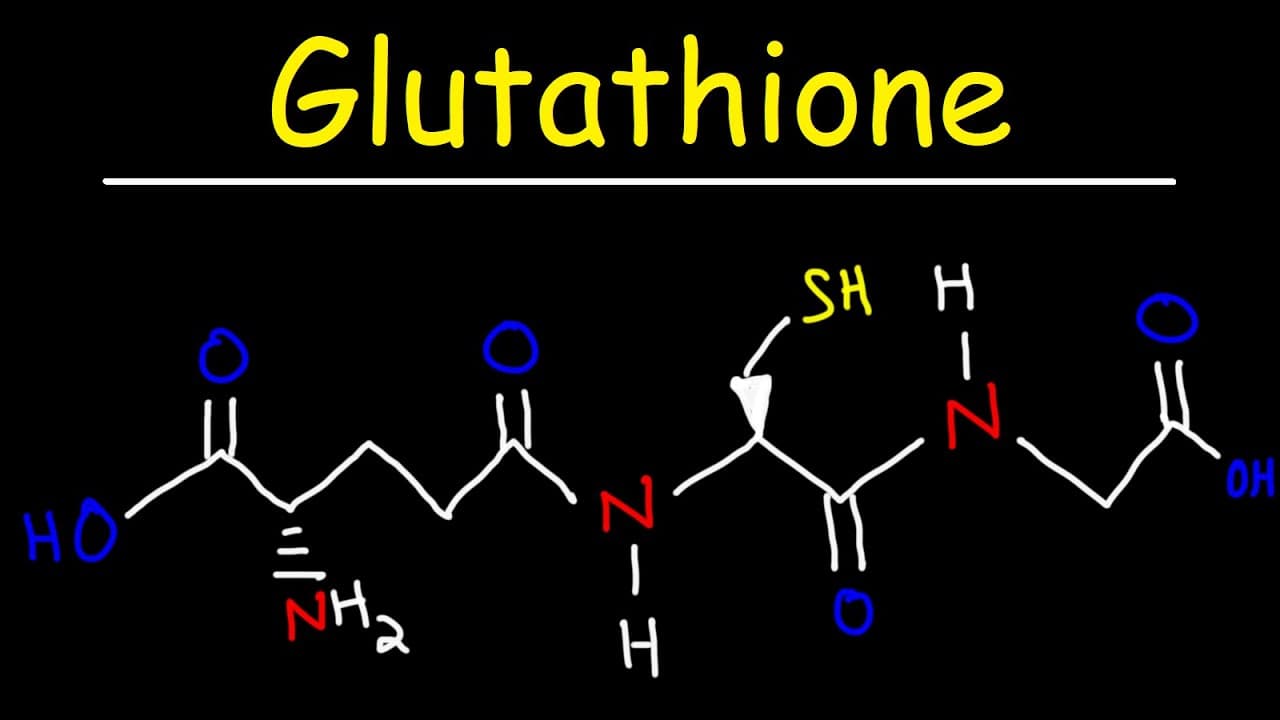
Glutathione is a tripeptide made of glutamic acid, cysteine, and glycine, acting as a powerful antioxidant that protects cells from oxidative damage by neutralizing free radicals and organic peroxides. Additionally, it plays a crucial role in detoxifying harmful substances in the body, such as medications and pesticides, and can be recycled using the reducing agent NADPH.
Transcript
what is glutathione perhaps you heard about it or seen it in nutritional supplements but what exactly is glutathione glutathione is a tripeptide it is a polypeptide composed of three amino acids and those amino acids are glutamic acid cysteine and glycine if you focus on the amide functional groups that's where you'll find where the amino acids wer... Read More
Key Insights
- ❓ Glutathione is composed of three amino acids: glutamic acid, cysteine, and glycine.
- 🥶 It acts as an antioxidant, protecting cells from oxidative damage caused by free radicals, peroxides, and heavy metals.
- 🥶 Glutathione can neutralize free radicals and organic peroxides, preventing cellular damage.
- 🖐️ It plays a role in detoxifying foreign substances in the body, such as pharmaceutical medications and pesticides.
- ♻️ Glutathione can be recycled in the body through the action of the reducing agent NADPH.
- 👥 The thio group in glutathione, derived from cysteine, is crucial for its antioxidant function.
- 💄 Glutathione's ability to donate electrons makes it a reducing agent.
Install to Summarize YouTube Videos and Get Transcripts
Explore YouTube Video Summarizer or Get YouTube Transcript Extractor
Questions & Answers
Q: What is glutathione made up of?
Glutathione is composed of three amino acids: glutamic acid, cysteine, and glycine. These amino acids are condensed to form the tripeptide structure of glutathione.
Q: How does glutathione function as an antioxidant?
Glutathione acts as an antioxidant by neutralizing free radicals and organic peroxides. It reacts with these harmful substances, converting them into less damaging compounds.
Q: Can glutathione protect cells from oxidative damage caused by heavy metals?
Yes, glutathione can protect cells from oxidative damage caused by certain heavy metals. Its antioxidant properties help in neutralizing the harmful effects of heavy metals on cells.
Q: How is glutathione recycled in the body?
Glutathione can be recycled from its oxidized state back into its reduced state using the reducing agent NADPH. NADPH donates electrons to the oxidized form of glutathione, converting it back into its active antioxidant form.
Summary & Key Takeaways
-
Glutathione is a tripeptide composed of glutamic acid, cysteine, and glycine.
-
It acts as an antioxidant, protecting cells from oxidative damage by neutralizing free radicals and organic peroxides.
-
Glutathione can also detoxify xenobiotics, foreign substances in the body such as pharmaceutical medications and pesticides.
Read in Other Languages (beta)
Share This Summary 📚
Summarize YouTube Videos and Get Video Transcripts with 1-Click
Try YouTube Summary with ChatGPT & Claude or YouTube Transcript Generator
Explore More Summaries from The Organic Chemistry Tutor 📚


Summarize YouTube Videos and Get Video Transcripts with 1-Click
Try YouTube Summary with ChatGPT & Claude or YouTube Transcript Generator