How to Replace a Six-Figure Salary with Real Estate Investing
TL;DR
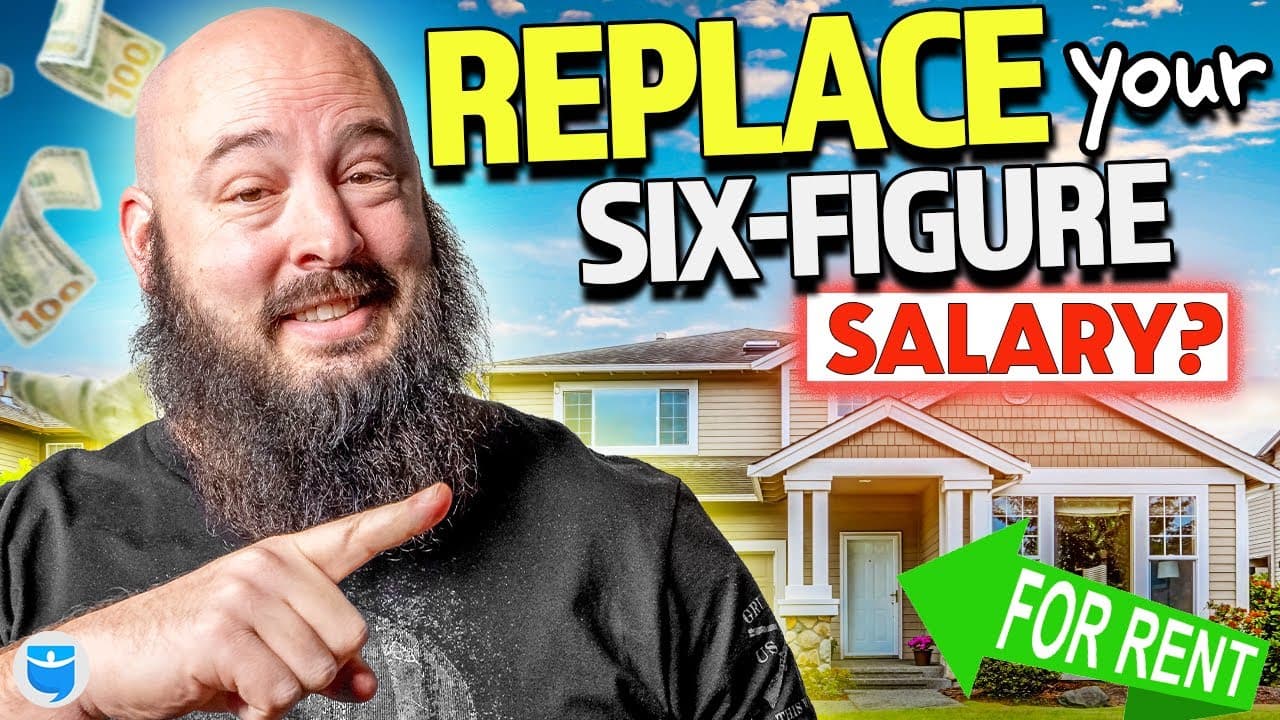
To replace a six-figure salary with real estate, focus on acquiring cash-flowing properties and leveraging tax benefits. Prioritize saving capital for down payments over paying off existing mortgages. Consider short-term rentals for accelerated depreciation benefits. Diversify income sources and stay informed about market trends to maximize returns.
Transcript
this is the Bigger Pockets podcast show 937 what's up everyone it's David Green your host of the Bigger Pockets real estate podcast here today with a seeing green special joined by Rob abasolo in a green sweatshirt what's going on Rob Ahoy I'm excited I'm ready to Traverse the the world I just booked a uh a 20-day stint in Copenhagen if you guys ar... Read More
Key Insights
- Real estate investing can potentially replace a six-figure salary by focusing on cash flow and tax benefits.
- Paying off rental property mortgages early may not be as beneficial as reinvesting in more properties.
- Short-term rentals offer opportunities for accelerated depreciation, which can offset high incomes.
- Analyzing neighborhood crime rates involves using local resources and community insights, as online data may be limited.
- Commercial real estate investments require active management but can offer significant returns through value-add strategies.
- Losing a job can be an opportunity to pivot into real estate, but maintaining some form of income is advisable.
- Obtaining a HELOC before losing a steady income can provide financial flexibility for future investments.
- Real estate should be viewed as a long-term investment, with appreciation often just keeping pace with inflation.
Install to Summarize YouTube Videos and Get Transcripts
Explore YouTube Video Summarizer or Get YouTube Transcript Extractor
Questions & Answers
Q: How can I replace my six-figure salary with real estate investing?
Replacing a six-figure salary with real estate involves focusing on acquiring cash-flowing properties and leveraging tax benefits. Prioritize saving capital for down payments over paying off existing mortgages. Consider short-term rentals for accelerated depreciation benefits, and diversify income sources to maximize returns.
Q: Is it better to pay off rental properties early or reinvest in more real estate?
Reinvesting in more real estate is often more beneficial than paying off rental properties early. By saving capital for down payments on additional properties, you can expand your portfolio and increase cash flow, especially when interest rates are favorable for refinancing.
Q: How can I analyze a neighborhood for crime rates before investing?
To analyze a neighborhood for crime rates, use local resources such as police departments and community insights, as online data may be limited. Driving through the area at different times and consulting with local real estate agents can also provide valuable information about the neighborhood's safety.
Q: What commercial real estate investments are best for generating cash flow?
Commercial real estate investments that require active management, such as hospitality or car washes, can offer significant cash flow opportunities. Focus on value-add strategies that increase the property's net operating income, thereby enhancing its equity and cash flow potential.
Q: How can I maximize tax benefits with real estate investments?
Maximize tax benefits by qualifying as a real estate professional or utilizing the short-term rental loophole for accelerated depreciation. This allows depreciation to offset high-income levels. Consult with a tax professional to explore strategies specific to your situation and investment goals.
Q: Should I get a HELOC before losing my job?
Yes, obtaining a HELOC before losing a steady income can provide financial flexibility for future investments. It allows access to capital for down payments or property improvements, but be cautious with withdrawals, ensuring they align with sound investment opportunities.
Q: What should I do if I anticipate losing my job and want to invest in real estate?
If anticipating job loss, consider securing another source of income while transitioning into real estate investing. Focus on building a portfolio with cash-flowing properties, and explore markets outside high-cost areas like the Bay Area. Maintain financial stability by keeping some form of steady income.
Q: Does real estate appreciation only keep pace with inflation?
Real estate appreciation often aligns with inflation, acting as a hedge to preserve wealth. However, additional benefits such as cash flow, debt paydown, and tax advantages contribute to overall investment returns. Viewing real estate as a long-term strategy can lead to significant wealth accumulation.
Summary & Key Takeaways
-
Replacing a six-figure salary with real estate involves acquiring properties that provide steady cash flow and leveraging tax strategies to maximize returns. Consider reinvesting capital into new properties rather than paying off existing mortgages early. Explore short-term rental opportunities for potential tax benefits.
-
Analyzing crime rates in potential investment areas involves more than just online data; local insights and community resources can provide a clearer picture. For commercial real estate, focus on value-add opportunities that may require active management but offer significant equity growth.
-
Losing a job can lead to exploring real estate full-time, but maintaining some form of income is crucial. Consider securing a HELOC while still employed for financial flexibility. Real estate investing is a long-term strategy, with appreciation often aligning with inflation.
Read in Other Languages (beta)
Share This Summary 📚
Summarize YouTube Videos and Get Video Transcripts with 1-Click
Try YouTube Summary with ChatGPT & Claude or YouTube Transcript Generator
Explore More Summaries from BiggerPockets 📚





Summarize YouTube Videos and Get Video Transcripts with 1-Click
Try YouTube Summary with ChatGPT & Claude or YouTube Transcript Generator