Is It Legal to Shut Down USAID?
TL;DR
The Trump Administration's attempt to shut down USAID by executive order is illegal as it requires congressional approval. Despite executive orders to realign foreign aid, legal challenges have been mounted, and temporary restraining orders have been issued to halt these actions. The situation remains contentious, with potential constitutional implications.
Transcript
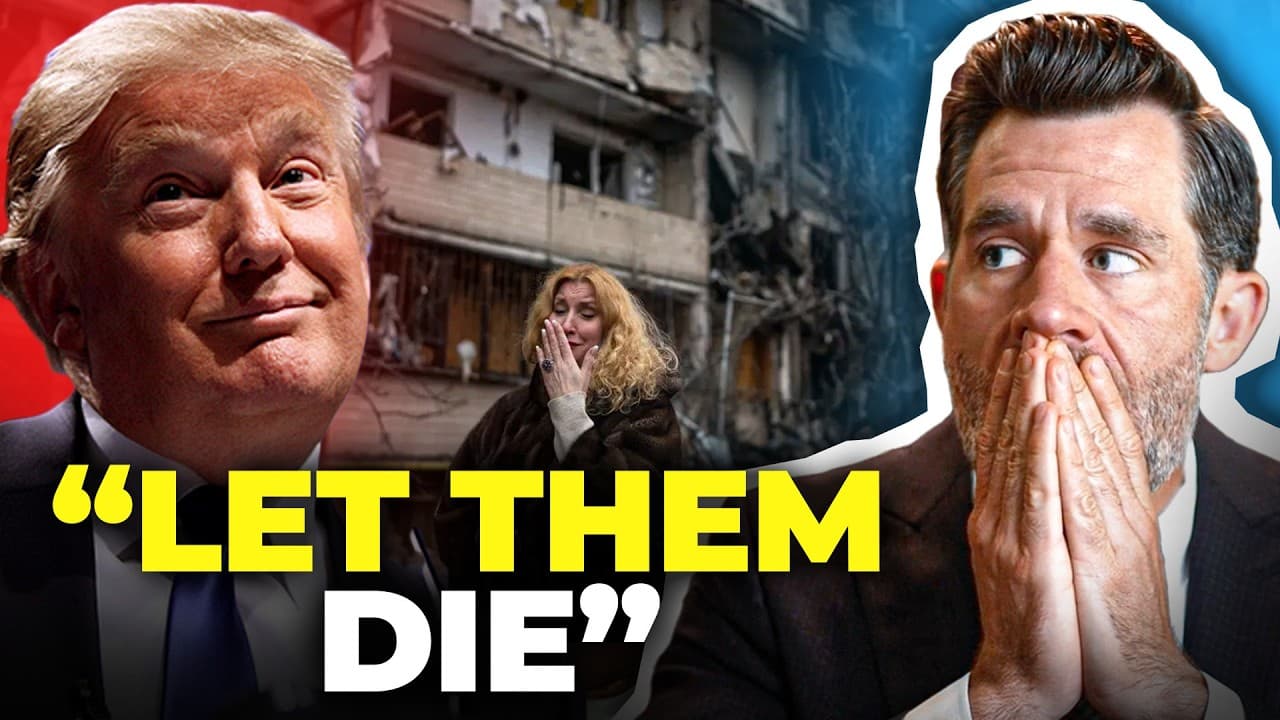
- So apparently if you're president, you can just shut down entire congressionally created departments simply because you don't like them. It's super weird though, because no prior president has tried to do that. I guess every other prior president was just a complete idiot and moron. Yes, as you may have heard, President Trump and President Musk h... Read More
Key Insights
- USAID is an independent agency created by Congress, and its dissolution requires congressional approval.
- President Trump's executive orders aimed to realign foreign aid, conflicting with his America First agenda.
- The 1998 Act established USAID as an entity within the executive branch, preventing unilateral dissolution.
- Legal challenges have resulted in temporary restraining orders against the administration's actions.
- The administration's attempts to freeze USAID funds violate the Impoundment Control Act of 1974.
- Judge Amir Ali ruled against the administration's blanket suspension of foreign aid funds.
- USAID's budget is less than 1% of the federal budget, often misunderstood by the public.
- USAID plays a crucial role in America's soft power strategy, influencing global goodwill.
Install to Summarize YouTube Videos and Get Transcripts
Explore YouTube Video Summarizer or Get YouTube Transcript Extractor
Questions & Answers
Q: How can the Trump Administration shut down USAID?
The Trump Administration attempted to shut down USAID through executive orders, aiming to realign foreign aid with its America First agenda. However, this move is illegal as USAID was established as an independent agency by Congress, and its dissolution requires congressional approval. Legal challenges have resulted in temporary restraining orders against these actions.
Q: What legal actions have been taken against the USAID shutdown?
Legal challenges against the USAID shutdown include temporary restraining orders issued by judges to halt the administration's actions. These orders aim to preserve the status quo while the legality of the executive orders is contested in court. The administration's attempts to freeze USAID funds have been deemed likely arbitrary and capricious under the Administrative Procedure Act.
Q: Why is USAID important for the United States?
USAID is crucial for the United States' soft power strategy, influencing global goodwill through humanitarian aid. The agency's efforts in providing emergency medical care, supporting refugees, and combating diseases like HIV enhance America's global image and foster international cooperation. USAID's budget, though a small fraction of federal spending, plays a vital role in international diplomacy.
Q: What is the Impoundment Control Act of 1974?
The Impoundment Control Act of 1974 restricts the executive branch's ability to withhold congressionally appropriated funds without approval. It ensures that the executive cannot unilaterally block discretionary spending, maintaining congressional oversight over federal expenditures. The Trump Administration's attempts to freeze USAID funds have been challenged as violations of this act.
Q: What role does USAID play in foreign aid?
USAID administers a significant portion of U.S. foreign aid, focusing on humanitarian assistance, development, and emergency relief. The agency's programs support global health, education, economic growth, and governance, contributing to stability and prosperity in developing countries. USAID's efforts are integral to America's foreign policy, enhancing its influence and fostering international partnerships.
Q: How does USAID's budget compare to the overall federal budget?
USAID's budget is approximately $40 billion, representing about 0.5% of the nearly $7 trillion federal budget. Despite its relatively small size, USAID's funding supports critical international aid programs that enhance America's global influence and address humanitarian needs worldwide. Public perception often overestimates the budget's size, misunderstanding its impact and scope.
Q: What are the potential consequences of shutting down USAID?
Shutting down USAID could severely impact global humanitarian efforts, disrupting emergency medical care, refugee support, and disease prevention programs. It would weaken America's soft power, reduce its influence in international affairs, and potentially create a vacuum that adversarial nations could exploit. The shutdown also raises significant legal and constitutional challenges, risking a crisis between branches of government.
Q: What is the significance of the 1998 Act in relation to USAID?
The 1998 Foreign Affairs Reform and Restructuring Act established USAID as an independent agency within the executive branch, requiring congressional approval for any attempts to dissolve or restructure it. This act reinforces congressional oversight and legal boundaries, preventing unilateral executive actions that could undermine the agency's mandate and operations. The act's provisions are central to the legal challenges against the Trump Administration's shutdown efforts.
Summary & Key Takeaways
-
The Trump Administration's attempt to dismantle USAID via executive orders is illegal, requiring congressional approval. Despite temporary restraining orders to halt these actions, the administration continues to challenge legal boundaries, raising constitutional concerns. USAID, pivotal in America's soft power strategy, faces significant operational threats, impacting global humanitarian efforts.
-
USAID's dissolution attempts by executive order clash with legal precedents, as Congress established it as an independent agency. Legal challenges have temporarily halted funding freezes, but the administration's actions continue to stir constitutional debates. The agency's budget, a small fraction of federal spending, is often misperceived, yet critical for international goodwill.
-
Legal battles over USAID's future highlight the tension between executive actions and congressional authority. Despite court interventions, the Trump Administration's efforts to realign foreign aid persist, risking a constitutional crisis. USAID's role in America's global outreach underscores the broader implications of these executive maneuvers.
Read in Other Languages (beta)
Share This Summary 📚
Summarize YouTube Videos and Get Video Transcripts with 1-Click
Try YouTube Summary with ChatGPT & Claude or YouTube Transcript Generator
Explore More Summaries from LegalEagle 📚



Summarize YouTube Videos and Get Video Transcripts with 1-Click
Try YouTube Summary with ChatGPT & Claude or YouTube Transcript Generator