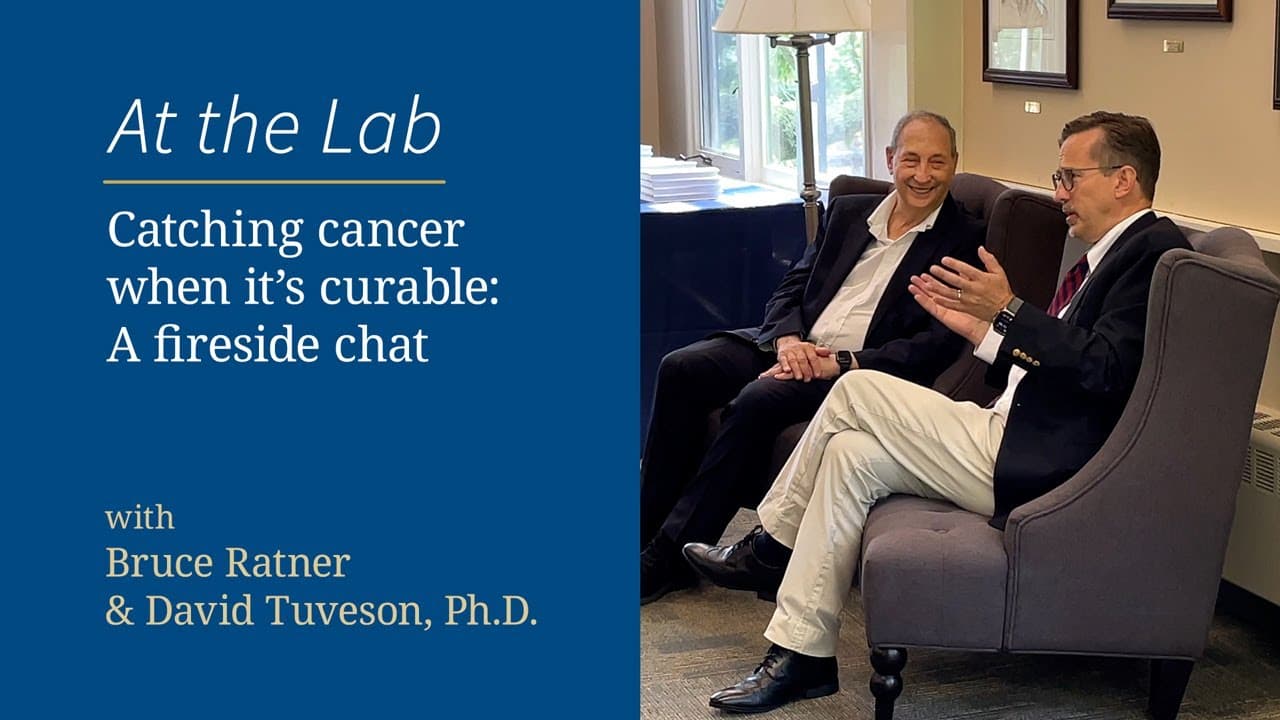
Catching Cancer When It’s Curable
TL;DR
Emphasizes the need for early cancer detection funding.
Transcript
[music] Your book is amazing because it grabs people who don't have to be physicians, don't have to be scientists, just have to care about their families, their communities, their colleagues, society. And you make some amazing, amazing points. What do you think the main problem is today? I would say the number one issue is a small amount of money... Read More
Key Insights
- Early detection of cancer is crucial, yet it receives minimal funding. Increased financial support for new technologies and screenings is vital to improve early diagnosis and treatment outcomes.
- The American Cancer Society has updated its screening recommendations for smokers, advising anyone with a history of smoking 20 pack-years to get screened, regardless of when they last smoked.
- Melanoma detection involves regular dermatologist visits to monitor moles, highlighting the importance of professional screenings in identifying early-stage cancers.
- Many cancers develop from early versions present in various body tissues, underscoring the need for comprehensive screening and monitoring to catch these cancers early.
- Public awareness and personal responsibility play a critical role in early cancer detection. Encouraging individuals to get screened can lead to early diagnosis and better treatment success.
- A personal anecdote illustrates the life-saving potential of early detection. A friend, previously unaware of her risk, discovered stage one cancer through a low-dose CT scan.
- Advanced cancer treatment centers, like Sloan-Kettering, provide exceptional care that can lead to quick recovery when cancer is detected early.
- Public engagement and education about cancer risks and screening options are essential for increasing early detection rates and improving survival chances.
Install to Summarize YouTube Videos and Get Transcripts
Explore YouTube Video Summarizer or Get YouTube Transcript Extractor
Questions & Answers
Q: What is the main problem discussed in the content?
The main problem discussed is the lack of funding for early cancer detection. Despite its importance, early detection receives minimal financial support, which hinders the development and implementation of new technologies and screenings necessary for improving early diagnosis and treatment outcomes.
Q: What recent change did the American Cancer Society make regarding cancer screenings?
The American Cancer Society recently updated its screening recommendations for smokers. They now advise that anyone with a history of smoking 20 pack-years should get screened, regardless of when they last smoked. This change aims to increase early detection rates and improve treatment success.
Q: How is melanoma typically detected and monitored?
Melanoma is typically detected and monitored through regular dermatologist visits. Dermatologists examine moles, using special lenses and techniques, to identify any dysplastic nevus, which could indicate early-stage melanoma. This process underscores the importance of professional screenings in identifying and treating melanoma early.
Q: What does the content suggest about the presence of early cancer versions in the body?
The content suggests that early versions of cancer are present in many body tissues at all times. This highlights the need for comprehensive screening and monitoring to identify these early-stage cancers, as early detection significantly improves treatment outcomes and survival rates.
Q: How can individuals contribute to early cancer detection efforts?
Individuals can contribute to early cancer detection efforts by encouraging those around them to get screened, particularly if they have a history of smoking or other risk factors. Public awareness and personal responsibility are crucial in promoting early diagnosis and increasing the chances of successful treatment.
Q: What personal story is shared to illustrate the importance of early detection?
A personal story shared involves a friend who, after reading the pre-book, realized she had a smoking history and got a low-dose CT scan. This scan detected stage one cancer, allowing for early treatment at Sloan-Kettering, which led to a quick recovery, demonstrating the life-saving potential of early detection.
Q: What role do advanced cancer treatment centers play in early detection?
Advanced cancer treatment centers, like Sloan-Kettering, play a crucial role in early detection by providing exceptional care and treatment options. When cancer is detected early, these centers can offer specialized interventions that lead to faster recovery and improved survival rates, as illustrated by the personal anecdote shared.
Q: Why is public engagement and education important in cancer detection?
Public engagement and education are important in cancer detection because they increase awareness of cancer risks and screening options. By educating the public, individuals are more likely to participate in early detection efforts, leading to higher diagnosis rates at earlier stages and improving overall treatment success and survival chances.
Summary & Key Takeaways
-
Early cancer detection is vital but underfunded. Increased investment in technology and screening is necessary to improve outcomes. The American Cancer Society now recommends screenings for anyone with a 20 pack-year smoking history, regardless of when they last smoked.
-
Melanoma screenings by dermatologists highlight the importance of early detection. Many cancers start as early versions in body tissues, emphasizing the need for comprehensive monitoring to catch these early-stage cancers.
-
Personal stories demonstrate the impact of early detection. Public awareness and encouraging screenings can lead to early diagnosis and better treatment success, underscoring the importance of public engagement and education.
Read in Other Languages (beta)
Share This Summary 📚
Summarize YouTube Videos and Get Video Transcripts with 1-Click
Try YouTube Summary with ChatGPT & Claude or YouTube Transcript Generator
Explore More Summaries from Cold Spring Harbor Laboratory 📚

Summarize YouTube Videos and Get Video Transcripts with 1-Click
Try YouTube Summary with ChatGPT & Claude or YouTube Transcript Generator