Lecture 25: Tough Nuts - Education and Health Insurance
TL;DR
Education and healthcare reforms are complex issues requiring careful consideration of fiscal federalism and path dependency. The US system lacks universal coverage and relies heavily on employer-based insurance, leading to challenges in expanding coverage and controlling costs.
Transcript
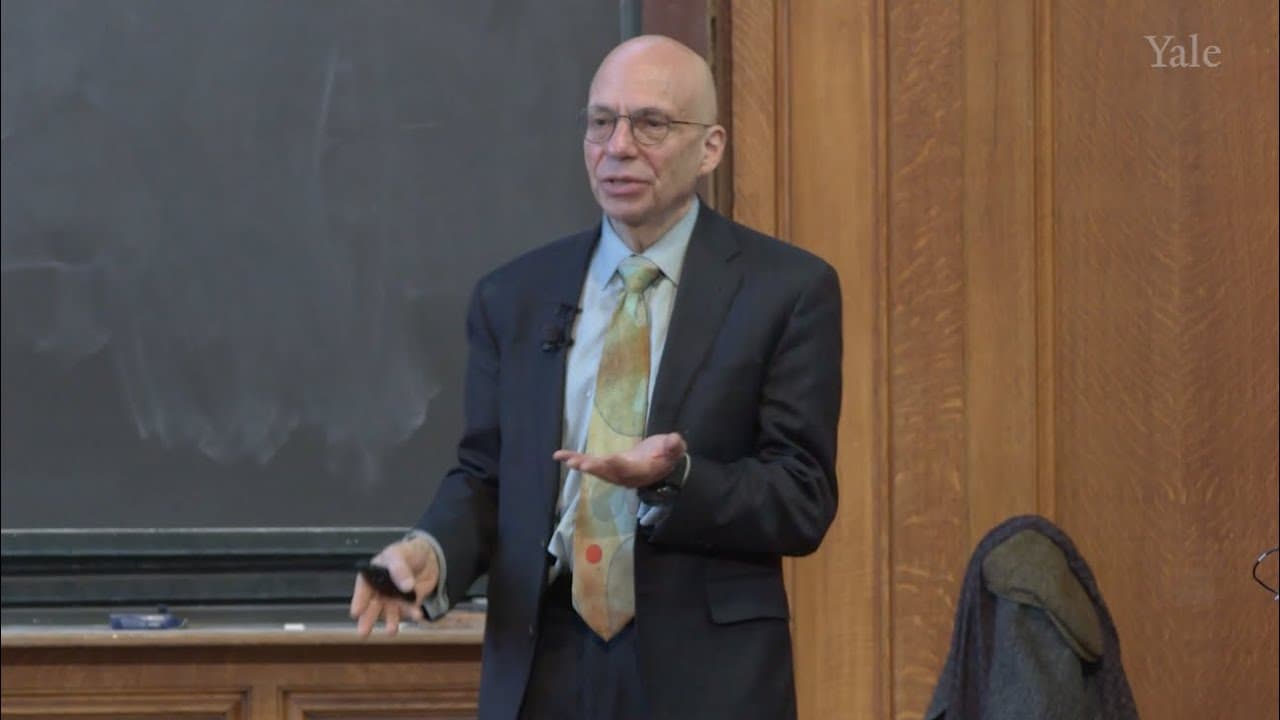
- So today we're going to talk about two what I'm calling tough nuts, education and healthcare, but I want to just begin by taking stock of where we were before we went on the break. - Right now, the human worker does $50,000 worth of work in a factory. That income is taxed. If the robot comes in to do the same thing, you'd think that we'd tax the ... Read More
Key Insights
- 🧑🎓 The US education system struggles with decentralized decision-making and resistance to change, hindering efforts to improve opportunities and outcomes for all students.
- 😀 The healthcare system faces challenges in achieving universal coverage and controlling costs due to reliance on employer-based insurance and lobbying interests.
- 🎓 Political obstacles and path dependency have hindered comprehensive reforms in both education and healthcare.
Install to Summarize YouTube Videos and Get Transcripts
Explore YouTube Video Summarizer or Get YouTube Transcript Extractor
Questions & Answers
Q: Why is expanding access to education and healthcare challenging in the US?
The US system lacks universal coverage and relies on employer-based insurance and decentralized decision-making. These factors make it difficult to implement comprehensive reforms and face opposition from powerful interest groups.
Q: What were the key obstacles faced by the Obama administration in enacting healthcare reform?
The Obama administration faced challenges in controlling costs and expanding coverage. The decision to forgo negotiation of drug prices and the removal of the public option from the bill compromised the full potential of reform.
Q: How did the Supreme Court's decision affect healthcare reform?
The Supreme Court upheld the individual mandate as a tax but limited the federal government's ability to condition funding on Medicaid expansion, reducing the reach of coverage expansion.
Q: What is a potential solution to expand access to healthcare in the US?
A bottom-up approach could involve gradually allowing individuals aged 26-30 to buy into Medicare, expanding coverage over time. This approach addresses cost concerns and builds support for broader reforms.
Summary & Key Takeaways
-
Education: Reforms in K-12 education face obstacles due to fiscal federalism and path dependency. Efforts to improve educational opportunities for all students have been hindered by decentralized decision-making and resistance to change.
-
Healthcare: The US healthcare system lacks universal coverage, and its reliance on employer-based insurance creates challenges in expanding access and controlling costs. The Obama administration's healthcare reform, while increasing coverage, faced opposition from powerful lobbying groups and the Supreme Court's limitations on Medicaid expansion.
Read in Other Languages (beta)
Share This Summary 📚
Summarize YouTube Videos and Get Video Transcripts with 1-Click
Try YouTube Summary with ChatGPT & Claude or YouTube Transcript Generator
Explore More Summaries from YaleCourses 📚




Summarize YouTube Videos and Get Video Transcripts with 1-Click
Try YouTube Summary with ChatGPT & Claude or YouTube Transcript Generator