How to Invest in Real Estate Without Loans
TL;DR
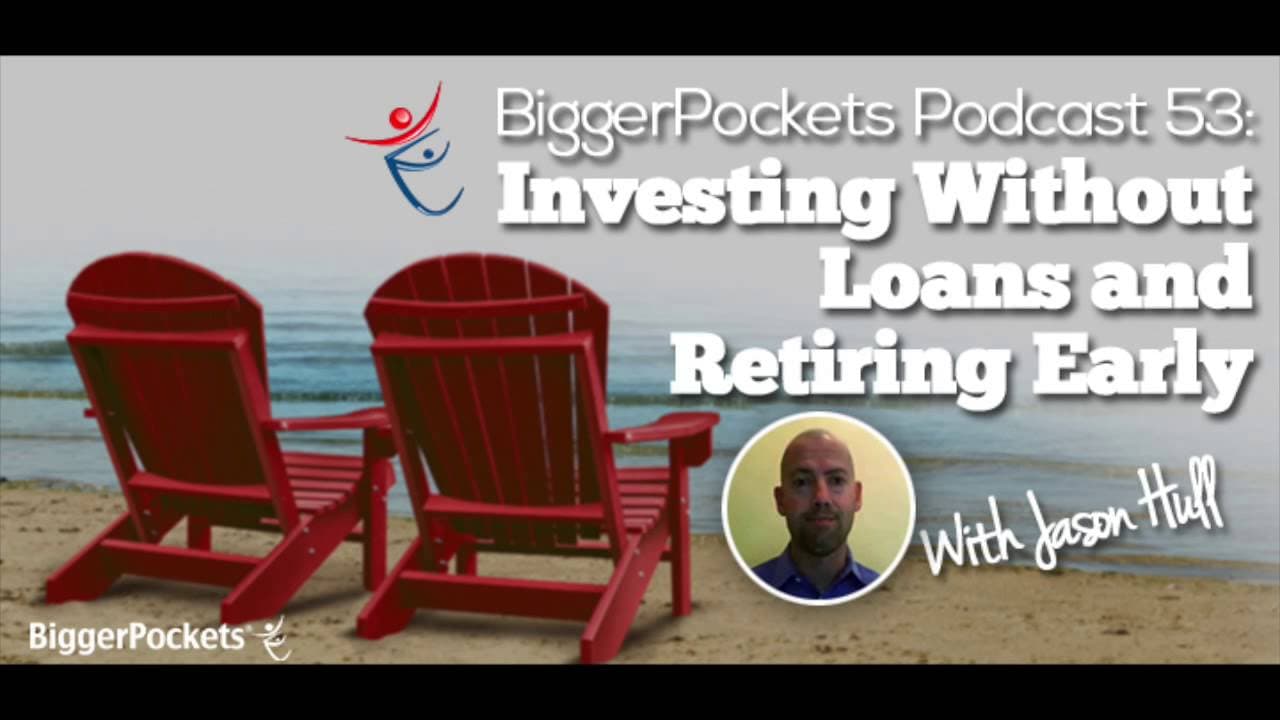
Investing in real estate without using loans is possible by focusing on single-family homes and leveraging cash purchases. This strategy minimizes risk and can lead to financial independence through rental income. By avoiding loans, investors can reduce stress and maintain control over their investments, allowing for a more conservative but effective approach to building wealth.
Transcript
are you looking to become a better real estate investor then hang on because you're about to experience another episode of the world's most popular real estate podcast the BiggerPockets podcast but before we get to this week's show I wanted to invite you to become part of our community biggerpockets.com the real estate investing social network the ... Read More
Key Insights
- Jason Hull invests in single-family homes without using leverage to minimize risk.
- He focuses on achieving financial independence through rental income from his properties.
- Hull does not expect capital appreciation and buys properties for their income potential.
- He emphasizes the importance of having a contingency plan for real estate investments.
- Hull advises against over-leveraging and highlights the stress it can cause.
- He recommends using a property manager to handle the day-to-day operations of rental properties.
- Hull shares that investing in what you know can lead to better investment decisions.
- He suggests opening a Roth IRA early to take advantage of its tax benefits and flexibility.
Install to Summarize YouTube Videos and Get Transcripts
Explore YouTube Video Summarizer or Get YouTube Transcript Extractor
Questions & Answers
Q: How can I invest in real estate without using loans?
Investing in real estate without loans involves purchasing properties with cash, focusing on single-family homes that generate rental income. This approach minimizes financial risk and stress, allowing investors to maintain control over their investments. It's crucial to have a solid contingency plan and a reliable property manager to handle day-to-day operations, ensuring a steady income stream.
Q: What are the benefits of not using leverage in real estate investing?
By not using leverage, investors reduce financial risk and avoid the stress associated with debt. This approach allows for greater control over investments and minimizes the impact of market fluctuations. It also simplifies property management and financial planning, as there's no need to worry about mortgage payments or interest rates, leading to a more stable investment portfolio.
Q: How can I achieve financial independence through real estate?
Achieving financial independence through real estate involves building a portfolio of rental properties that generate enough income to cover living expenses. Focus on purchasing cash-flowing properties, manage them efficiently with the help of a property manager, and reinvest profits to acquire more properties. Over time, this strategy can lead to a steady income stream that supports a comfortable lifestyle without relying on traditional employment.
Q: What is the importance of having a contingency plan in real estate investing?
A contingency plan is crucial in real estate investing to address potential challenges such as vacancies, maintenance issues, or market downturns. It ensures that investors can handle unexpected expenses and maintain cash flow, reducing financial stress. By preparing for worst-case scenarios, investors can protect their investments and continue to generate income, even during difficult times.
Q: How does a property manager benefit real estate investors?
A property manager handles the day-to-day operations of rental properties, including tenant screening, rent collection, and maintenance. This allows investors to focus on strategic decisions and reduces the time and effort required to manage properties. A good property manager can also help maximize rental income, minimize vacancies, and ensure properties are well-maintained, contributing to a more successful investment portfolio.
Q: Why is it important to invest in familiar markets?
Investing in familiar markets provides an informational advantage, allowing investors to make informed decisions based on local knowledge. Understanding the local real estate landscape helps identify good deals, assess property values accurately, and anticipate market trends. This familiarity reduces the risk of making poor investment choices and increases the likelihood of achieving desired returns.
Q: What are the advantages of opening a Roth IRA early?
Opening a Roth IRA early allows investors to take advantage of its tax benefits and flexibility. Contributions grow tax-free, and withdrawals in retirement are also tax-free, providing a valuable source of income. Additionally, contributions can be withdrawn penalty-free after five years, offering an emergency fund if needed. This makes a Roth IRA a strategic tool for long-term financial planning.
Q: How can I ensure my real estate investments align with long-term goals?
To ensure real estate investments align with long-term goals, establish clear investment criteria and processes that reflect your financial objectives. Evaluate each deal against these criteria, focusing on properties that meet your cash flow and return expectations. Maintain discipline in your investment strategy, avoiding impulsive decisions, and continuously review your portfolio to ensure it supports your overall financial plan.
Summary & Key Takeaways
-
Jason Hull shares his strategy of investing in real estate without using loans, focusing on single-family homes to build wealth through rental income. By avoiding leverage, Hull reduces risk and maintains control over his investments, aiming for financial independence. He highlights the importance of having a contingency plan and using property managers to simplify property management.
-
Hull emphasizes investing in familiar markets and understanding the local real estate landscape to gain an informational advantage. He advises against over-leveraging, sharing his experience of stress from previous investments. Hull also recommends opening a Roth IRA early for its tax benefits and flexibility, even for those primarily focused on real estate.
-
Hull's approach is conservative yet effective, aiming for a 10% cash-on-cash return without relying on market appreciation. He underscores the value of a strong process and sticking to investment criteria, ensuring each deal aligns with long-term goals. His insights offer a fresh perspective on real estate investing, particularly for those wary of debt.
Read in Other Languages (beta)
Share This Summary 📚
Summarize YouTube Videos and Get Video Transcripts with 1-Click
Try YouTube Summary with ChatGPT & Claude or YouTube Transcript Generator
Explore More Summaries from BiggerPockets 📚




Summarize YouTube Videos and Get Video Transcripts with 1-Click
Try YouTube Summary with ChatGPT & Claude or YouTube Transcript Generator