How to Identify a Predatory Journal Effectively
TL;DR
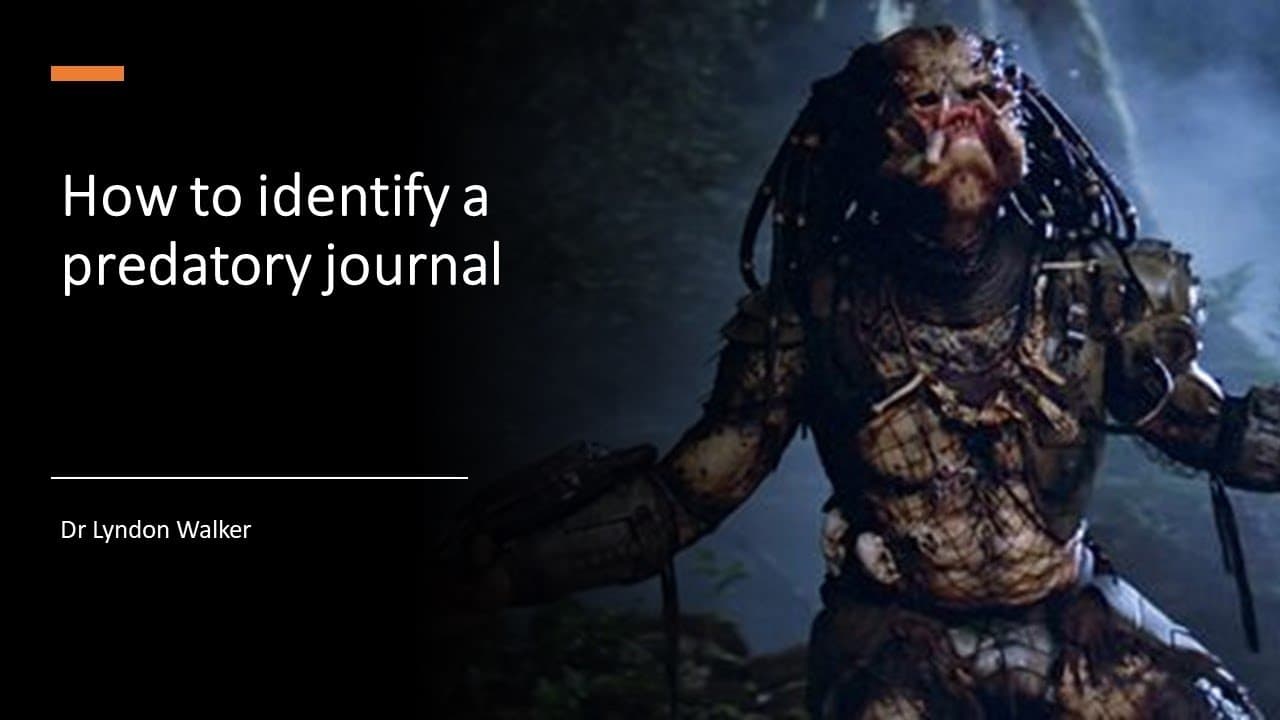
To identify a predatory journal, check for poor communication quality, unrealistic review times, and the legitimacy of the editorial board. Look for red flags like generic email addresses and the presence of excessive publication fees. Consulting resources like Beall's List and seeking guidance from experienced peers can help ensure you publish in reputable journals that uphold your academic reputation.
Transcript
hey friends this week i got an interesting email which i'm going to share with you in a second and maybe think about predatory journals and so what i wanted to do was just share a little bit of information with you about predatory journals and how to identify a predatory journal so here is kind of a paraphrasing of the email that i received and you... Read More
Key Insights
- ✋ Predatory journals exploit researchers by charging high fees for meager publishing standards, which can severely impact their academic reputation.
- 🏂 Identifying predatory journals involves scrutinizing communication quality, review processes, and editorial board membership to avoid potential pitfalls.
- ❓ Researchers should leverage resources such as Beall's List and consult more experienced peers to navigate the publishing landscape effectively.
- 😒 Unrealistically fast review times and the use of generic email addresses are reliable indicators of journals operating under predatory motives.
- 🤑 The existence of directory services can assist researchers in distinguishing legitimate open-access journals from predatory ones.
- 💪 Maintaining a strong publication reputation is crucial for career advancement in academia, influencing hiring and promotion decisions.
- ❓ Graduate and early-career researchers are particularly vulnerable to predatory practices and should be proactive in validating publishing venues.
Install to Summarize YouTube Videos and Get Transcripts
Explore YouTube Video Summarizer or Get YouTube Transcript Extractor
Questions & Answers
Q: What are some characteristics of predatory journals?
Predatory journals often exhibit poor-quality communication, unrealistic review times, and use free email services for correspondence. Their websites may have low-quality content, and they typically charge high publication fees without proper editorial processes. Examining these indicators can help identify such exploitative publications.
Q: How can unrealistic review times indicate a predatory journal?
Legitimate journals generally take longer to review submissions due to thorough evaluations by qualified reviewers. If a journal promises an exceptionally quick review—like two weeks—it’s probable that they are either neglecting quality or not conducting proper peer reviews, suggesting a predatory nature.
Q: Why is checking the editorial board important when assessing a journal?
The editorial board can reflect the journal's credibility. Predatory journals sometimes fabricate their boards by using names and photos of reputable academics without consent. If no verifiable information is available about the board members, it raises a red flag regarding the journal's legitimacy.
Q: What resources can help researchers identify predatory journals?
Researchers can refer to Beall's List and predatoryjournal.com, which catalog known predatory journals. Consulting mentors and peers who have publishing experience is also crucial, as they can provide insights into legitimate venues and help navigate potential pitfalls in academic publishing.
Q: How can publishing in predatory journals impact a researcher's career?
Publishing in predatory journals can damage a researcher’s credibility and reputation, leading hiring committees and promotion panels to view their work as less credible. This could hinder future opportunities, as many institutions prioritize quality publications in reputable journals.
Q: Are there any legitimate open-access journals, and how can they be found?
Yes, there are legitimate open-access journals that adhere to strict publishing criteria. Researchers can find these through directories of open-access journals, which list venues that maintain quality standards and are committed to sharing knowledge broadly.
Q: What should early-career researchers do to ensure they publish in reputable journals?
Early-career researchers should seek guidance from mentors and examine the quality of journals they consider. It's important to review the journal’s website, check for editorial board legitimacy, and ensure that it has a track record of publishing quality research before submitting.
Q: Can an individual researcher create their own journal, and what issues might arise from it?
While it's possible for an individual to establish a journal, it often leads to concerns about perceived legitimacy, especially if the researcher is self-publishing their work. This may create a cycle of publishing only in their own venue, limiting the quality and outreach of their research.
Summary & Key Takeaways
-
The content discusses predatory journals and conferences, emphasizing their business model of exploiting researchers by charging high fees for publishing and attending low-quality events.
-
It provides practical guidelines for identifying predatory journals, such as checking the quality of communication, unrealistic review times, and investigating the editorial board's legitimacy.
-
The content highlights the importance of publishing in reputable journals to maintain a strong professional reputation and avoid negative perceptions in academic careers.
Read in Other Languages (beta)
Share This Summary 📚
Summarize YouTube Videos and Get Video Transcripts with 1-Click
Try YouTube Summary with ChatGPT & Claude or YouTube Transcript Generator
Explore More Summaries from Dr Lyndon Walker 📚



Summarize YouTube Videos and Get Video Transcripts with 1-Click
Try YouTube Summary with ChatGPT & Claude or YouTube Transcript Generator