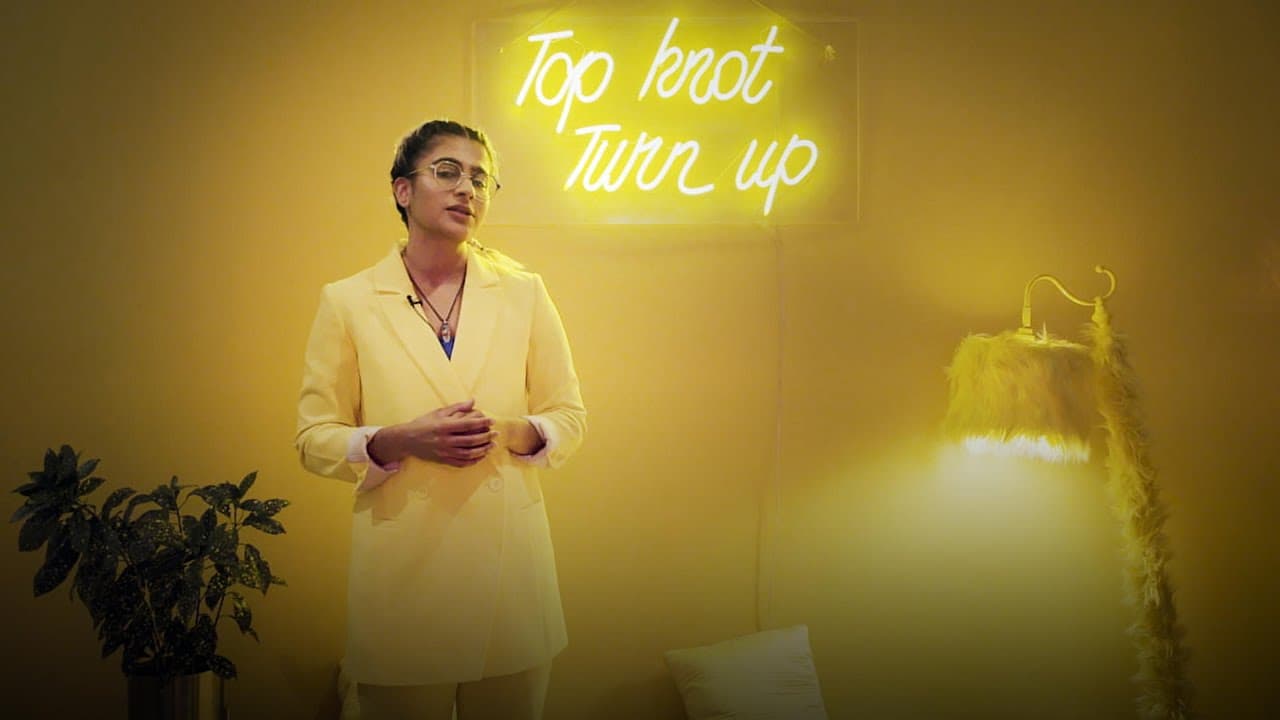
Why we must stop dancing to the sound of our own oppression | Madame Gandhi
TL;DR
The author discusses the normalization of sexism in music, their approach to creating uplifting, non-oppressive music, and the importance of consumer choices in promoting positive change.
Transcript
So often, I'll take a fitness class, or I'll go to a music venue, or, really, anywhere that plays music in the background, and I'll find myself loving the rhythms and the melodies and the beats ... And then I take a second to listen to the lyrics, lyrics that, for example, place us in a position of subservience that we would never tolerate in any o... Read More
Key Insights
- 😕 Music lyrics often normalize sexism, which is concerning as music is a powerful form of communication that can either uplift or oppress.
- 😍 Only 2.6% of all music producers identify as women, highlighting the lack of representation and control over narrative in the music industry.
- 😢 Problematic lyrics are excused because people love how the beats make them feel, but it's important to consider the impact on others and not contribute to oppression.
- 🌟 Making uplifting, energetic music with genuine lyrics that describe personal experiences without oppressing others is a strategy to combat misogyny in music.
- 🎵 Sex-positive, beautiful music about joy and freedom should be celebrated, embracing pleasure as much as pain.
- 📽️ Visual depiction through music videos can showcase the world we wish to live in and challenge false narratives of degrading sexuality.
- 🔇 As consumers, we have the power to choose which songs to mute or turn up, respecting ourselves and others by not tolerating oppressive content.
- 🎧 By creating playlists or DJing music with positive messages, we can teach algorithms in our streaming systems what we want to listen to and impact the entire industry.
Install to Summarize YouTube Videos and Get Transcripts
Explore YouTube Video Summarizer or Get YouTube Transcript Extractor
Questions & Answers
Q: Why does the speaker feel concerned about the lyrics in music?
The speaker feels concerned about the lyrics in music because they often perpetuate sexism and normalize subservience. Despite enjoying the rhythms and melodies, the speaker is aghast at how our culture normalizes sexism through music. They believe that music, as a powerful form of communication, has the potential to either uplift or oppress, and lyrics that place us in a position of subservience go against the values of equality and empowerment.
Q: What is the significance of the low representation of women and gender nonconforming individuals in music production?
The low representation of women and gender nonconforming individuals (only 2.6 percent of all music producers) in the music industry is a cause for concern. It matters because if marginalized groups don't have control over their own narrative, someone else will tell their stories, often perpetuating myths and stereotypes. By owning and controlling their own narrative, these underrepresented groups can challenge the norms and misconceptions that hold them back.
Q: How does the speaker approach her own music to combat the misogyny prevalent in the music industry?
The speaker employs two strategies in her music to combat the misogyny prevalent in the industry. Firstly, she focuses on making uplifting, energetic, and percussive global beats, while placing lyrics that genuinely describe her life experiences without contributing to the oppression of others. Secondly, through her music videos, she visually depicts the world she wishes to live in, showcasing diverse and positive representation. By infusing tenderness, positivity, and challenging narratives in her music, she aims to counter the prevailing misogyny.
Q: How can consumers contribute to positive change in the music industry?
Consumers have the power to contribute to positive change in the music industry. Firstly, they can choose to mute or ignore songs that promote oppression and respect themselves enough to reject such music. Secondly, consumers can question whether the music or message they are listening to contributes to the oppression of others and why they may be tolerating it. Finally, consumers can create playlists or DJ music that aligns with their values and desired mood without supporting problematic messaging. By making these choices, consumers can impact the industry and teach streaming algorithms what kind of music they want to hear, fostering long-term change.
Summary & Key Takeaways
-
The speaker recognizes the normalization of sexism in music and expresses a desire for more uplifting, positive lyrics that do not contribute to oppression.
-
The speaker emphasizes the importance of women and gender nonconforming individuals having control over their own narratives in music and storytelling.
-
The speaker encourages consumers to actively choose the music they listen to, muting or turning up songs based on their messages, and to create playlists that promote positive, empowering messaging.
Read in Other Languages (beta)
Share This Summary 📚
Summarize YouTube Videos and Get Video Transcripts with 1-Click
Try YouTube Summary with ChatGPT & Claude or YouTube Transcript Generator
Explore More Summaries from TED 📚




Summarize YouTube Videos and Get Video Transcripts with 1-Click
Try YouTube Summary with ChatGPT & Claude or YouTube Transcript Generator