How Can Trauma Shape Your Identity?
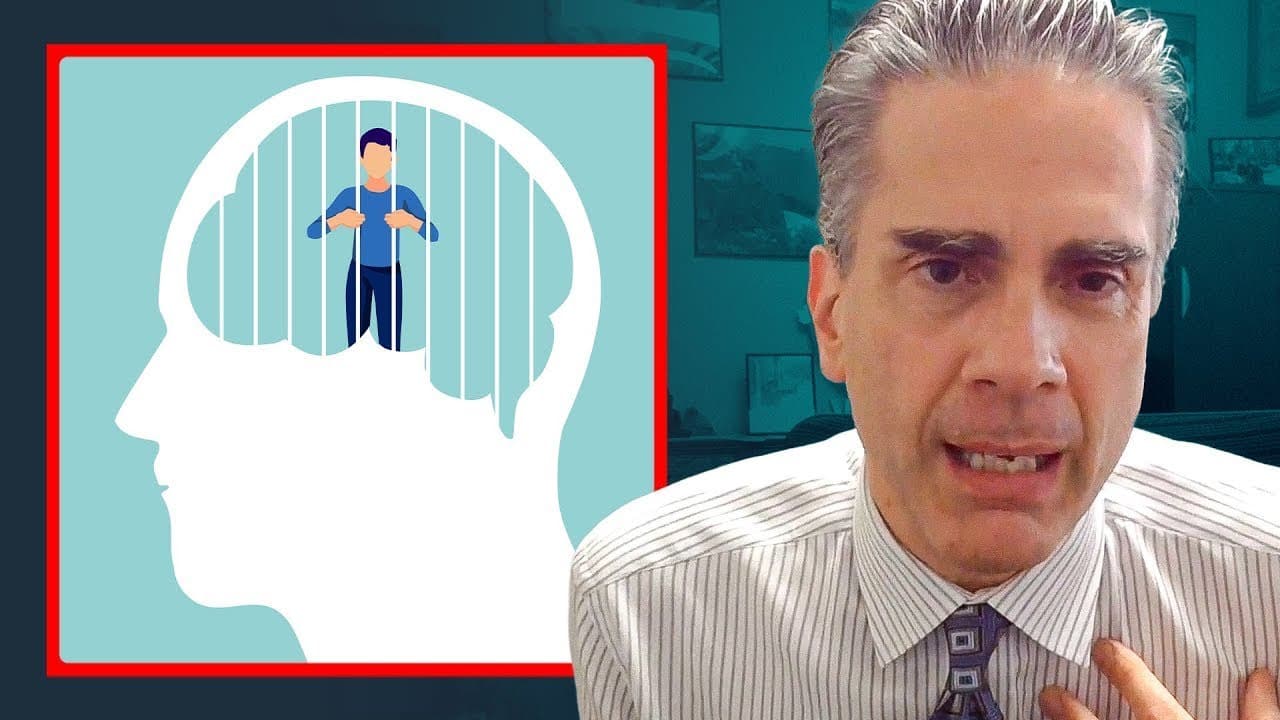
TL;DR
Trauma frequently alters memory and behaviour, leading to distorted self-perceptions. It often instils feelings of guilt and shame that hinder healing, reinforcing negative beliefs about oneself. Understanding these dynamics is essential for processing trauma and reclaiming one's identity.
Transcript
what do you wish more people knew about trauma I wish that more people knew that it comes so frequently to so many of us and that it is Insidious and the meaning of that word like something that is sneaky and like a a wolf and sheep's clothing like it doesn't announce itself that I'm now in your brain and changing you including changing your memori... Read More
Key Insights
- 🛟 Trauma is more frequent than we believe, affecting many individuals and their daily lives.
- 🥺 Memories can be altered by trauma, leading to misconceptions about one's past experiences and identity.
- ❓ Guilt and shame, although natural responses, can hinder healing and prevent individuals from seeking support.
- 🧑 Trauma does not have to define a person's life forever, as it can be processed and changed through therapeutic interventions.
- 💄 The insidious nature of trauma makes it important to acknowledge and address its impact.
- ❓ Trauma triggers protective emotions and behaviors, but these mechanisms can be repurposed to promote healing and growth.
- ❓ Shame and guilt, originally meant to enforce survival behaviors, can become destructive when used against oneself.
Install to Summarize YouTube Videos and Get Transcripts
Explore YouTube Video Summarizer or Get YouTube Transcript Extractor
Questions & Answers
Q: How frequently does trauma occur?
Trauma is more common than people think, affecting many individuals in various ways. It can be a result of different life events, such as accidents, abuse, or violence.
Q: Can trauma change one's memory of past events?
Yes, trauma can retroactively alter one's memories. The brain, attempting to keep us safe, may associate certain situations with the trauma, leading to changed memories and exaggerated emotions surrounding them.
Q: How does guilt and shame relate to trauma?
Guilt and shame are reflexive responses triggered by trauma. While they serve as mechanisms for behavior modification, they can also prevent individuals from seeking help and processing their trauma effectively.
Q: Can trauma have long-lasting effects?
Trauma can persist for years, impacting an individual's life. It can shape their behaviors, perceptions, and beliefs, affecting relationships, self-esteem, and overall well-being.
Summary & Key Takeaways
-
Trauma is a common experience that often goes unnoticed and affects many individuals.
-
The insidious nature of trauma means it can quietly change memories and behaviors, leading to misconceptions about oneself.
-
Guilt and shame, commonly associated with trauma, serve as mechanisms for behavior modification but can also hinder healing and growth.
Read in Other Languages (beta)
Share This Summary 📚
Summarize YouTube Videos and Get Video Transcripts with 1-Click
Try YouTube Summary with ChatGPT & Claude or YouTube Transcript Generator
Explore More Summaries from Chris Williamson 📚






Summarize YouTube Videos and Get Video Transcripts with 1-Click
Try YouTube Summary with ChatGPT & Claude or YouTube Transcript Generator