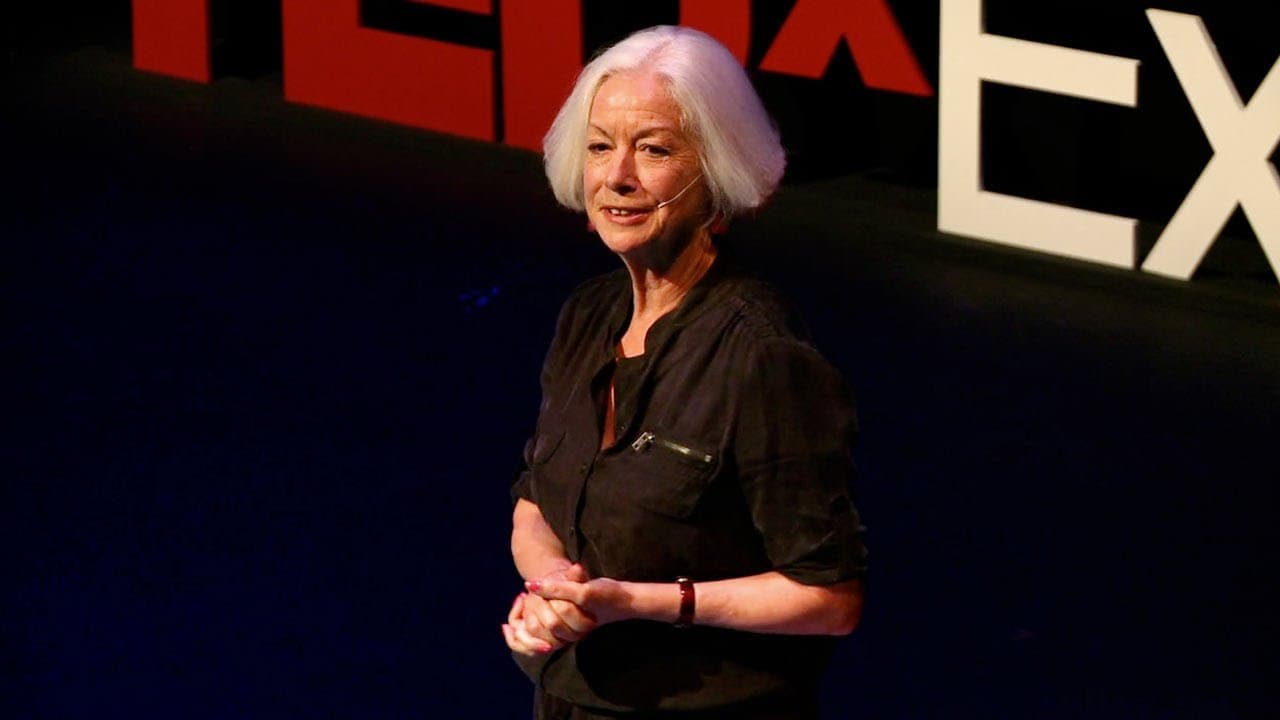
Fighting with non-violence - Scilla Elworthy
TL;DR
Addressing extreme violence without using force is about mastering fear, self-reflection, and channeling anger constructively.
Transcript
in half a century of trying to help prevent Wars there's one question that never leaves me how do we deal with extreme violence without using force in return when you're faced with brutality whether it's a child facing a bully in the playground or domestic violence or on the streets of Syria today facing tanks and shrapnel what's the most effective... Read More
Key Insights
- 😨 Mastering fear is crucial in dealing with violence effectively, as demonstrated by examples like Aung San Suu Kyi.
- 🤳 Self-reflection and self-knowledge empower individuals to confront oppression and violence.
- 💀 Constructively channeling anger can drive individuals towards positive change instead of conflict.
- ✊ Non-violent approaches like meditation and emotional mastery can provide the inner power needed to address violence without using force.
- 🫚 Understanding the root causes of violence and oppression is essential in developing effective strategies for change.
- 🤩 Dialogue and communication are key in addressing violence, as blaming individuals hinders progress.
- 😨 The 3 AM fear syndrome can be managed by facing fear directly and making a plan to overcome it.
Install to Summarize YouTube Videos and Get Transcripts
Explore YouTube Video Summarizer or Get YouTube Transcript Extractor
Questions & Answers
Q: How can mastering fear help in dealing with violence effectively?
Mastering fear can help individuals remain calm and clear-headed in dangerous situations, allowing them to defuse conflicts and prevent violence. A key example is Aung San Suu Kyi's confrontation with soldiers in Burma.
Q: Why is self-reflection important in addressing violence?
Self-reflection helps individuals understand their responses to oppression, identify strengths and weaknesses, and develop inner power. This self-awareness can empower individuals to confront violence without succumbing to it.
Q: How can anger be channeled constructively in the face of injustice?
Anger, like gasoline, can fuel change when harnessed properly. By directing anger towards addressing issues rather than blaming individuals, constructive dialogue and positive change can be fostered.
Q: How can non-violent approaches like meditation aid in addressing violence?
Meditation can help individuals gain self-knowledge, inner strength, and emotional mastery, which are crucial in responding to violence without resorting to force. It allows individuals to confront fear and anger effectively.
Summary & Key Takeaways
-
Violence can be addressed by mastering fear, understanding oneself, and managing anger constructively.
-
Non-violent approaches like self-reflection, self-knowledge, and emotional mastery can be effective in dealing with brutality.
-
Examples like Nelson Mandela and Aung San Suu Kyi demonstrate the power of non-violence in creating change.
Read in Other Languages (beta)
Share This Summary 📚
Summarize YouTube Videos and Get Video Transcripts with 1-Click
Try YouTube Summary with ChatGPT & Claude or YouTube Transcript Generator
Explore More Summaries from TED-Ed 📚






Summarize YouTube Videos and Get Video Transcripts with 1-Click
Try YouTube Summary with ChatGPT & Claude or YouTube Transcript Generator