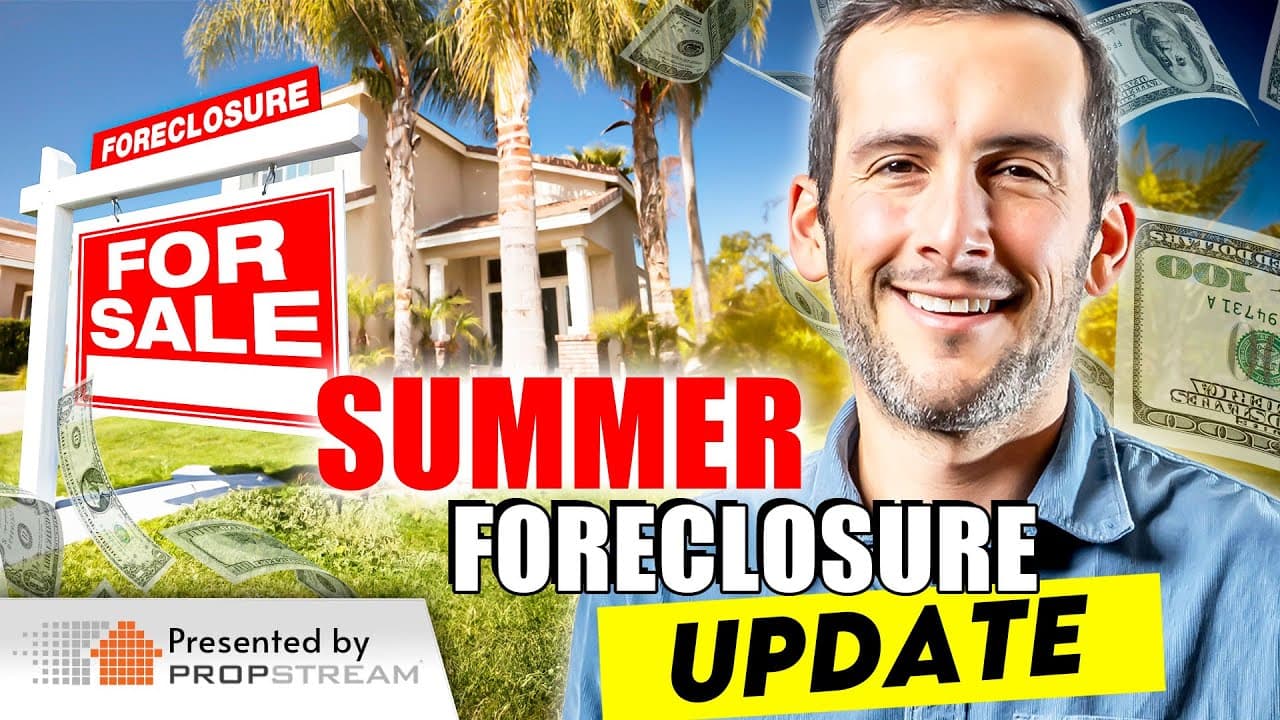
Are Foreclosures Really Increasing in 2024?
TL;DR
Foreclosures in the U.S. are actually down year-over-year, contrary to popular belief. Despite predictions of a surge post-pandemic, foreclosure rates remain historically low. This is due to stricter lending standards and effective government policies implemented after the 2008 crisis. While some regions have seen slight increases, the overall impact on the housing market is minimal.
Transcript
you see a lot of people in the real estate and real estate investing space talking about foreclosures these days and you probably hear a lot of chatter here on YouTube about foreclosures people seem to really like to predict a foreclosure crisis that's coming and then predict that a housing market crash is going to happen due to an uptick in forecl... Read More
Key Insights
- Foreclosures are down year-over-year, contradicting predictions of a surge.
- Current foreclosure rates are similar to pre-pandemic levels, indicating stability.
- Stricter lending standards post-2008 have contributed to low foreclosure rates.
- Government interventions have effectively reduced foreclosure occurrences.
- Regional differences exist, with some areas experiencing slight increases in foreclosures.
- Mortgage delinquencies remain low, while other debts like credit card delinquencies rise.
- Banks have developed programs to help homeowners avoid foreclosures.
- The housing market is unlikely to be significantly impacted by foreclosures in the near future.
Install to Summarize YouTube Videos and Get Transcripts
Explore YouTube Video Summarizer or Get YouTube Transcript Extractor
Questions & Answers
Q: How are foreclosure rates in 2024 compared to previous years?
Foreclosure rates in 2024 are down compared to previous years. Contrary to popular belief, there has not been a significant increase in foreclosures post-pandemic. The rates are similar to those seen in the years leading up to the pandemic, indicating stability in the housing market.
Q: What factors have contributed to the low foreclosure rates?
The low foreclosure rates are primarily due to stricter lending standards implemented after the 2008 financial crisis. These standards have ensured that borrowers are in a better position to service their debts. Additionally, government interventions and policies have effectively reduced the occurrence of foreclosures.
Q: Are there regional differences in foreclosure rates?
Yes, there are regional differences in foreclosure rates. Some areas, such as The Dakotas, Kentucky, Massachusetts, and Idaho, have seen increases in foreclosure activity. However, these increases are not enough to significantly impact the national housing market.
Q: Why haven't foreclosures increased despite economic challenges?
Foreclosures have not increased because of the robust credit standards and government policies in place. Mortgage delinquencies remain low, which is a key factor in preventing foreclosures. Banks have also developed programs to help homeowners avoid foreclosure, contributing to the stability.
Q: How do current foreclosure rates compare to the 2008 crisis?
Current foreclosure rates are significantly lower than during the 2008 crisis. The number of foreclosures in 2024 is about one-eleventh of the peak seen in 2010. This marked reduction is attributed to improved lending practices and economic policies designed to prevent a repeat of the crisis.
Q: What role do banks play in preventing foreclosures?
Banks play a crucial role in preventing foreclosures by developing programs to help homeowners stay in their homes. They have set up departments focused on restructuring debt and offering forbearance programs, which help borrowers avoid foreclosure and maintain their mortgage payments.
Q: What is the impact of other debts on foreclosure rates?
While mortgage delinquencies are low, other debts such as credit card and auto loan delinquencies are rising. However, these increases in non-housing debts have not translated into higher foreclosure rates, as the mortgage sector remains stable due to stringent credit standards.
Q: Will foreclosures impact the housing market in the near future?
Foreclosures are unlikely to have a significant impact on the housing market in the near future. The volume of foreclosures is too low to cause substantial market changes. The stability in foreclosure rates is seen as a positive sign for the housing market and the broader economy.
Summary & Key Takeaways
-
Foreclosure rates in the U.S. have decreased year-over-year, defying expectations of a post-pandemic surge. The implementation of stricter lending standards following the 2008 crisis has played a significant role in maintaining low foreclosure rates. Despite some regional variations, the overall impact on the housing market remains minimal.
-
Mortgage delinquencies are low, contributing to the stability of foreclosure rates. This is in contrast to rising delinquencies in other types of debt, such as credit card debt. Banks have developed programs to help homeowners avoid foreclosures, further contributing to the low rates.
-
The housing market is unlikely to experience a significant impact from foreclosures in the foreseeable future. While some areas have seen slight increases in foreclosure activity, the overall volume remains too low to affect the market substantially. The stability in the housing sector is seen as a positive indicator for the economy.
Read in Other Languages (beta)
Share This Summary 📚
Summarize YouTube Videos and Get Video Transcripts with 1-Click
Try YouTube Summary with ChatGPT & Claude or YouTube Transcript Generator
Explore More Summaries from BiggerPockets 📚




Summarize YouTube Videos and Get Video Transcripts with 1-Click
Try YouTube Summary with ChatGPT & Claude or YouTube Transcript Generator