Rory Sutherland - The Danger Of Postal Voting
TL;DR
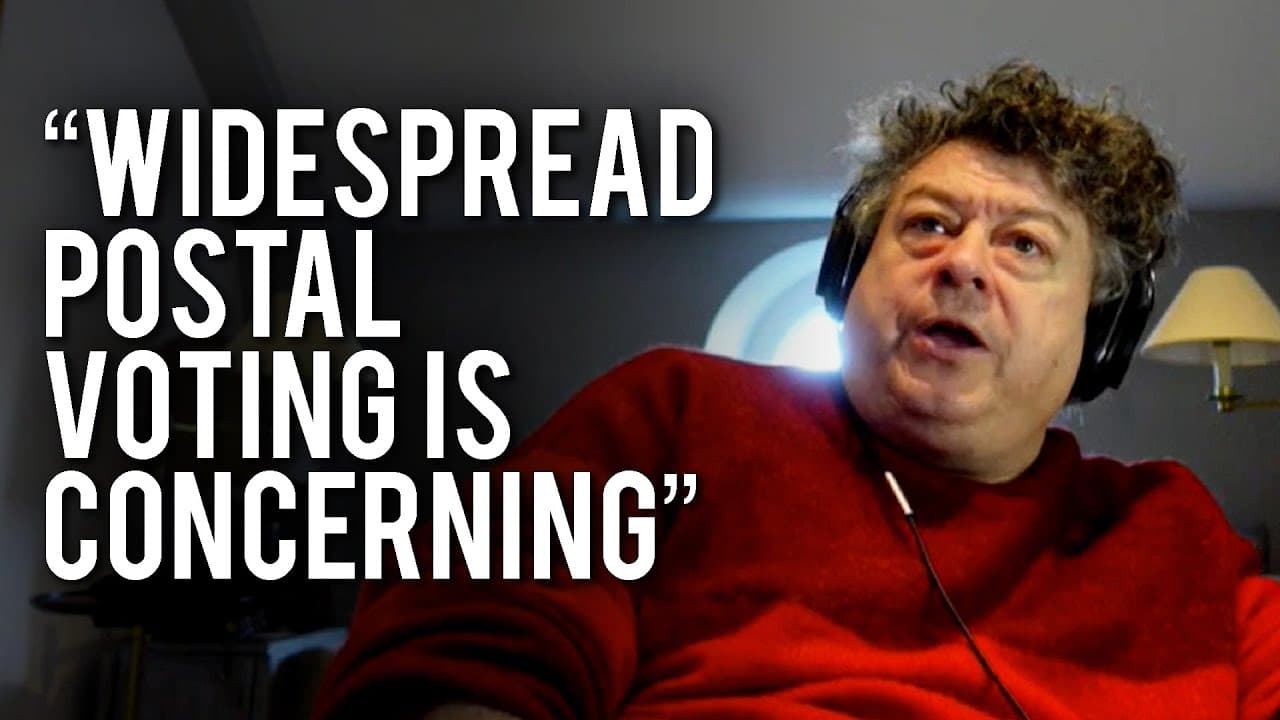
Postal voting is becoming more widespread, but there are concerns about coercion, lack of privacy, and the potential for fraud. In-person voting is seen as a more solemn and secure process.
Transcript
this is the same argument as to why uh polls why the american election is still done on paper right uh yeah you should do it on paper and incidentally i think the growth of postal voting is completely unacceptable i'm with i'm with the donald there because when i was a kid in the uk you had postal voting but it was basically confined to people serv... Read More
Key Insights
- 🤨 Postal voting has increasingly become a common practice, raising concerns about its integrity and security.
- 📯 Coercion within households and the potential for fraud at scale are significant issues associated with widespread postal voting.
- 🥹 In-person voting holds symbolic value, promoting a sense of democracy and ensuring a sincere collective decision.
- 📯 The growth of electronic voting and postal voting challenges the perception of an honest and transparent democratic process.
- 😑 The speaker acknowledges the genuineness of the election results but expresses concerns about the long-term implications of widespread postal voting.
- ❓ Voting is not just about aggregating preferences but reaching a collective consensus about the desires of the entire population.
- 👻 In-person voting allows for a moment of reflection and preparation, whereas postal voting lacks the same level of solemnity.
Install to Summarize YouTube Videos and Get Transcripts
Explore YouTube Video Summarizer or Get YouTube Transcript Extractor
Questions & Answers
Q: Why is the growth of postal voting considered unacceptable?
The speaker believes that the expansion of postal voting beyond exceptional circumstances is concerning because it opens up possibilities for coercion, lack of privacy, and fraud at scale.
Q: What is reciprocation bias?
Reciprocation bias refers to the social pressure individuals feel to reciprocate after someone has helped them, especially in the context of political parties assisting with voter registration. This bias can potentially influence voting decisions.
Q: How can postal voting lead to non-privacy?
In a coercive relationship, one person may demand to see how the other person has voted, eliminating the privacy aspect of voting. This raises concerns about free and independent decision-making.
Q: Why does in-person voting hold more importance?
In-person voting is seen as a more serious and solemn process, deserving of effort and symbolic value. It ensures a collective decision based on sincere beliefs and promotes a sense of democratic consensus.
Summary & Key Takeaways
-
Postal voting has expanded beyond exceptional circumstances and is now a widespread practice.
-
There are concerns about coercion within households, lack of privacy, and the potential for fraud at scale.
-
In-person voting is seen as a more secure and solemn process that ensures a sincere collective decision.
Read in Other Languages (beta)
Share This Summary 📚
Summarize YouTube Videos and Get Video Transcripts with 1-Click
Try YouTube Summary with ChatGPT & Claude or YouTube Transcript Generator
Explore More Summaries from Chris Williamson 📚






Summarize YouTube Videos and Get Video Transcripts with 1-Click
Try YouTube Summary with ChatGPT & Claude or YouTube Transcript Generator