Valuing Nature in Personal Practice and Societal Transformation with Gretchen C. Daily
TL;DR
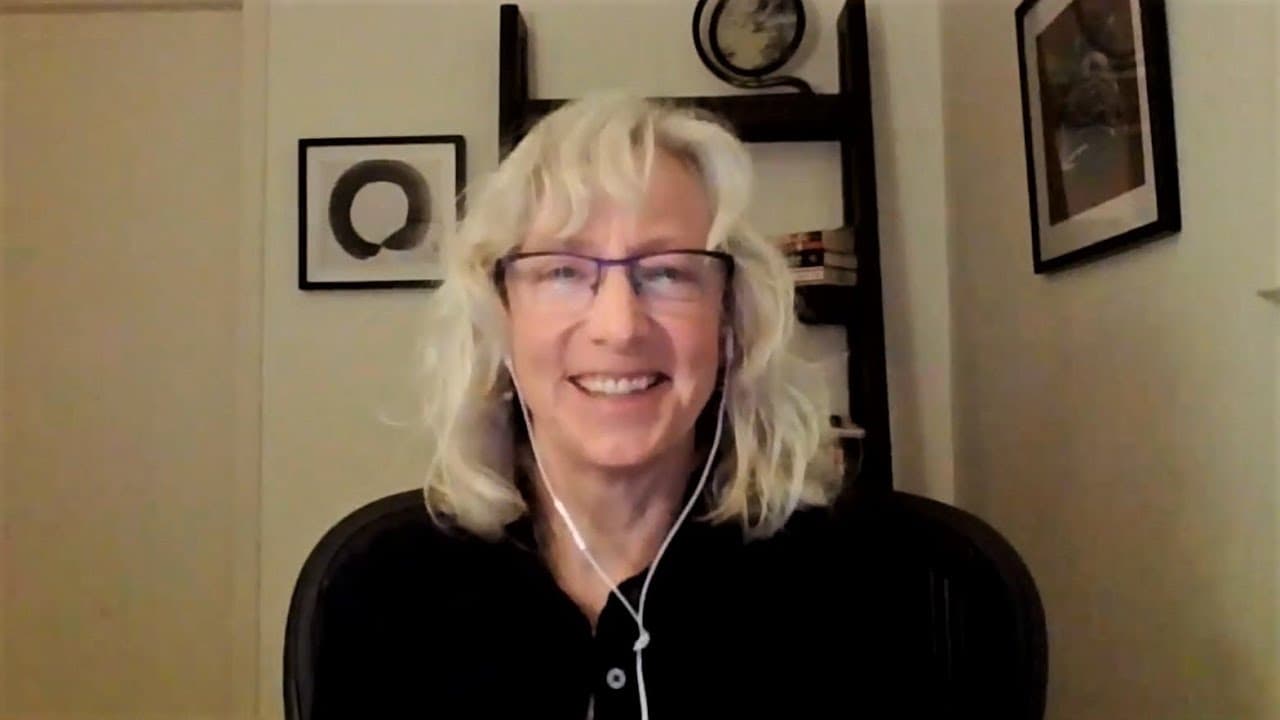
Professor Gretchen Daly discusses the importance of valuing nature in decision making and the need for societal transformation to secure the well-being of both people and the planet.
Transcript
stanford university welcome i'm dr tia rich and it's my honor to direct stanford's contemplation by design program this evening session titled valuing nature in personal practice and societal transformation is provided to us by professor gretchen daly gretchen is being professor of environmental science and co-founder and faculty director of the na... Read More
Key Insights
- 💄 Valuing nature is essential for human well-being, and it requires a transformation in our personal practices and societal decision-making processes.
- 🇨🇷 Examples from Costa Rica, China, and New York City demonstrate the positive outcomes of investing in nature and integrating ecosystem services into decision making.
- 🤙 The Natural Capital Project is developing a measurement framework called Gross Ecosystem Product (GEP) to track the health of ecosystems and guide investments in nature.
- 🧑⚕️ Regenerative farming practices and supporting organizations focused on soil health can contribute to revitalizing depleted soils.
- ✳️ Rethinking forest management practices and incorporating indigenous practices can help manage the risk of wildfires and promote healthier ecosystems.
Install to Summarize YouTube Videos and Get Transcripts
Explore YouTube Video Summarizer or Get YouTube Transcript Extractor
Questions & Answers
Q: How can individuals contribute to the regeneration and revitalization of depleted soils?
Individuals can support regenerative farming practices, such as organic farming and minimizing the use of chemicals. By purchasing food from farmers who prioritize soil health, individuals can contribute to the revitalization of depleted soils. Additionally, learning about and supporting organizations focused on soil health and restoration can make a positive impact.
Q: Are there any examples of corporations or municipalities adopting the Gross Ecosystem Product (GEP) metric?
The adoption of the GEP is still in its early stages, but China has zoned 50% of its land area for ecosystem regeneration and is paying millions of people to conduct restoration work. Colombia, Sri Lanka, Mongolia, and South Africa are also starting to adopt the GEP framework. The Natural Capital Project is actively working on implementing GEP globally.
Q: How can we learn to live with wildfires in high-risk areas?
Rethinking forest management practices and incorporating indigenous practices can be crucial in reducing the risk of catastrophic wildfires. By restoring forests to their more natural and open states, and implementing controlled burns to maintain biodiversity and reduce build-up of flammable materials, we can better manage the risk of wildfires. Collaborative efforts among governments, indigenous communities, and scientists are needed to develop holistic strategies for living with fire.
Q: How can individuals initiate their employers to adopt the Gross Ecosystem Product (GEP) framework?
Individuals can raise awareness about the importance of valuing nature and the potential benefits of adopting the GEP framework within their organizations. By initiating conversations, sharing relevant research and case studies, and highlighting the potential economic value of ecosystems, individuals can encourage their employers to consider integrating GEP into their decision-making processes. Networking with experts and organizations focused on sustainability and ecosystem valuation can also provide valuable resources and support.
Summary & Key Takeaways
-
Professor Daly emphasizes the interdependence between humans and nature, highlighting the importance of valuing and protecting nature for our well-being and the future of our planet.
-
She shares examples from Costa Rica, China, and New York City where investments in nature and ecosystems have resulted in positive outcomes for both people and the environment.
-
The Natural Capital Project, co-founded by Professor Daly, is working on developing a measurement framework called Gross Ecosystem Product (GEP) to track the health of ecosystems and guide investments in nature.
Read in Other Languages (beta)
Share This Summary 📚
Summarize YouTube Videos and Get Video Transcripts with 1-Click
Try YouTube Summary with ChatGPT & Claude or YouTube Transcript Generator
Explore More Summaries from Stanford 📚
Summarize YouTube Videos and Get Video Transcripts with 1-Click
Try YouTube Summary with ChatGPT & Claude or YouTube Transcript Generator