How To Calculate Federal Income Taxes - Social Security & Medicare Included
TL;DR
Learn how to calculate income tax based on taxable income using tax rate tables, and understand the difference between tax deductions and tax credits.
Transcript
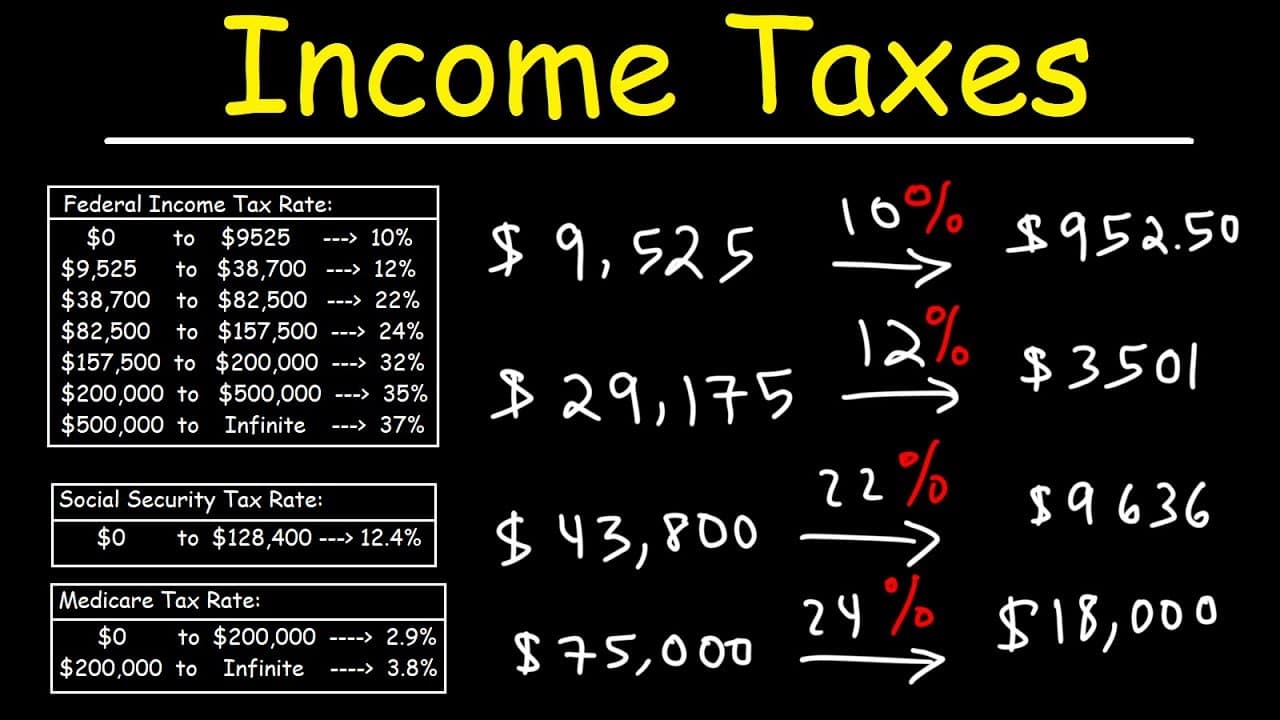
in this video we're going to talk about how to calculate income tax let's start with this example karen's taxable income was 85 000 in 2018. so using the tax income rate table that we see below how much does she pay in federal income taxes in 2018 so what do we need to do the first thing you want to do is look at the first row the first 9525 dollar... Read More
Key Insights
- 🚕 Tax rate tables are used to calculate federal income tax based on taxable income and different tax brackets.
- 🚕 Tax deductions reduce taxable income, indirectly reducing the tax liability.
- 👻 Tax credits directly reduce the amount of taxes owed, making them more advantageous than deductions.
- 🤳 Self-employed individuals are responsible for paying both the employer and employee portions of Social Security and Medicare taxes.
- 🚕 State income taxes vary based on income levels and tax rates, resulting in an additional tax burden.
- ☠️ Understanding the effective tax rate helps in evaluating the overall impact of taxes on income.
- 🚕 Tax planning, such as utilizing deductions and credits, can significantly lower the tax liability.
Install to Summarize YouTube Videos and Get Transcripts
Explore YouTube Video Summarizer or Get YouTube Transcript Extractor
Questions & Answers
Q: How do you calculate income tax using a tax rate table?
To calculate income tax, determine the taxable income and then apply the corresponding tax rates from the tax rate table to each income bracket. Multiply the tax rate by the income within each bracket and add them together to get the total tax liability.
Q: What is the difference between tax deductions and tax credits?
Tax deductions reduce taxable income, which indirectly reduces the tax liability. Tax credits, on the other hand, directly reduce the amount of taxes owed. Deductions are based on expenses, while credits are based on specific criteria or circumstances.
Q: How does a tax credit affect the tax bill?
A tax credit directly reduces the tax bill. If the tax credit is $12,000, for example, the tax bill will be reduced by that amount, resulting in a lower overall tax liability.
Q: How are Social Security and Medicare taxes calculated for self-employed individuals?
Self-employed individuals pay both the employer and employee portions of Social Security and Medicare taxes. The Social Security tax rate is 12.4% on the first $128,400 of income, and the Medicare tax rate is 2.9% on the entire income.
Summary & Key Takeaways
-
The video explains how to calculate income tax using a tax rate table and provides examples for different income levels.
-
It demonstrates the process of calculating federal income tax by applying different tax rates to different income brackets.
-
The video also highlights the impact of tax deductions and tax credits on reducing the overall tax bill.
Read in Other Languages (beta)
Share This Summary 📚
Summarize YouTube Videos and Get Video Transcripts with 1-Click
Try YouTube Summary with ChatGPT & Claude or YouTube Transcript Generator
Explore More Summaries from The Organic Chemistry Tutor 📚




Summarize YouTube Videos and Get Video Transcripts with 1-Click
Try YouTube Summary with ChatGPT & Claude or YouTube Transcript Generator