How Life Begins in the Deep Ocean
TL;DR
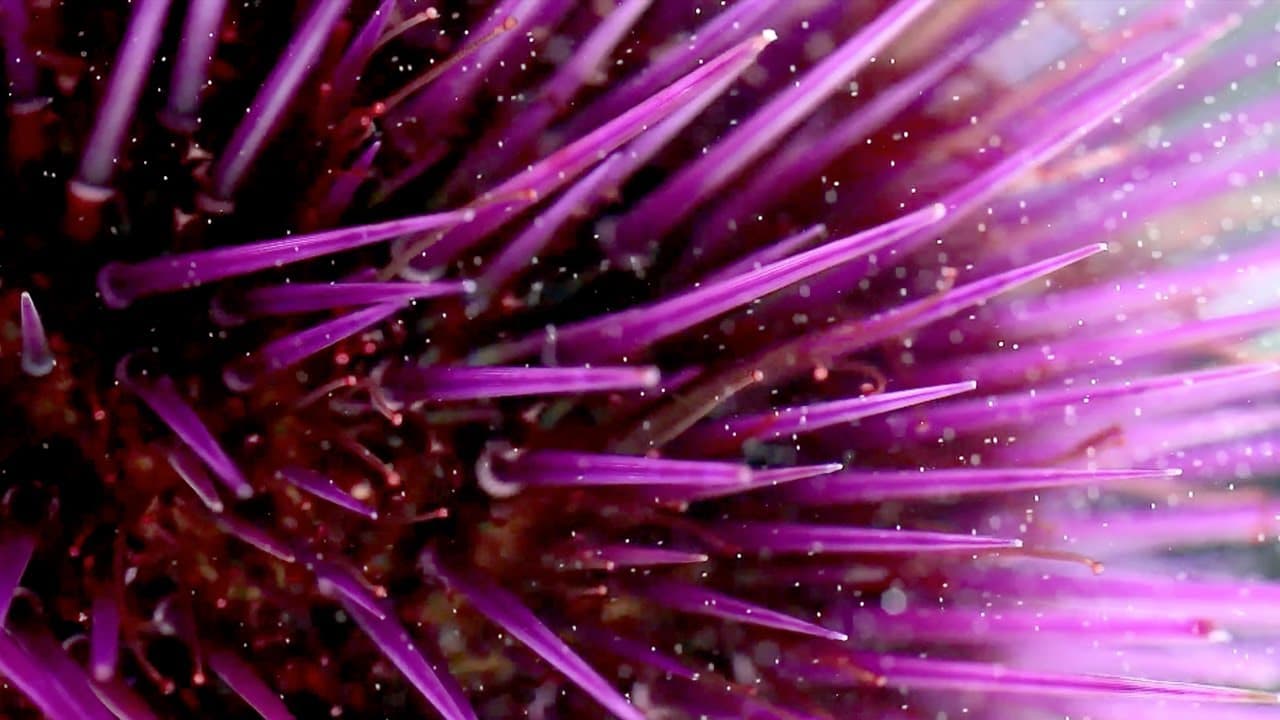
From egg to adult, a sea urchin's fascinating journey through varied larval stages and reproduction strategies.
Transcript
I must look rather strange to you, all covered in spines, without even a face. But I've taken many forms during my life. I started out just like you: a tiny egg in a watery world. My parents never knew each other. One moonlit night before a storm, thousands of urchins, clams and corals released trillions of sperm and eggs into the open sea. My fath... Read More
Key Insights
- 🤢 Sea urchin life begins as eggs in the sea, evolving through larval stages before settling down as adults.
- ❓ Plankton communities boast diverse growth patterns and reproduction strategies for species survival.
- ❓ Some marine creatures, like hermaphrodites, exhibit unique reproductive mechanisms for increased chances of successful reproduction.
- 😨 Parental care in the ocean varies from species that produce numerous offspring to those that brood and protect young for extended periods.
- 🤢 Sea creatures in plankton highlight the complexity and diversity of marine life in adapting to their environment.
- 🌊 Survival in the ocean requires varied reproductive strategies to ensure species continuity.
- 🤢 The metamorphosis of sea creatures from larvae to adults showcases the resilience and adaptability of marine organisms.
Install to Summarize YouTube Videos and Get Transcripts
Explore YouTube Video Summarizer or Get YouTube Transcript Extractor
Questions & Answers
Q: How does a sea urchin's life cycle begin?
A sea urchin's life cycle starts with the fusion of sperm and egg in the open sea followed by the development through stages like pluteus larva.
Q: What are some unique reproduction strategies seen in the plankton community?
Some species, including Medusa jellies and salps, produce offspring through cloning and asexual reproduction, while hermaphrodites like comb jellies and arrow worms self-fertilize.
Q: How do some ocean creatures ensure the survival of their offspring?
Certain species like the black-eyed squid and Phronima crustacean exhibit brooding behaviors, with the squid even cradling its eggs for nine months to ensure the young ones' survival.
Q: How does a sea urchin metamorphose into its adult form?
After weeks in the plankton, the sea urchin larva settles and undergoes metamorphosis into a recognizable urchin adult, completing its life cycle.
Summary & Key Takeaways
-
Sea urchins start as eggs in the open sea, undergo various larval stages like pluteus larva, and evolve into adult forms.
-
Larvae of different species in the plankton exhibit diverse growth patterns with intriguing reproductive strategies.
-
Some sea creatures, like comb jellies and arrow worms, are hermaphrodites, ensuring reproductive success in the vast ocean.
Read in Other Languages (beta)
Share This Summary 📚
Summarize YouTube Videos and Get Video Transcripts with 1-Click
Try YouTube Summary with ChatGPT & Claude or YouTube Transcript Generator
Explore More Summaries from TED-Ed 📚





Summarize YouTube Videos and Get Video Transcripts with 1-Click
Try YouTube Summary with ChatGPT & Claude or YouTube Transcript Generator