The Psychology of Depression
TL;DR
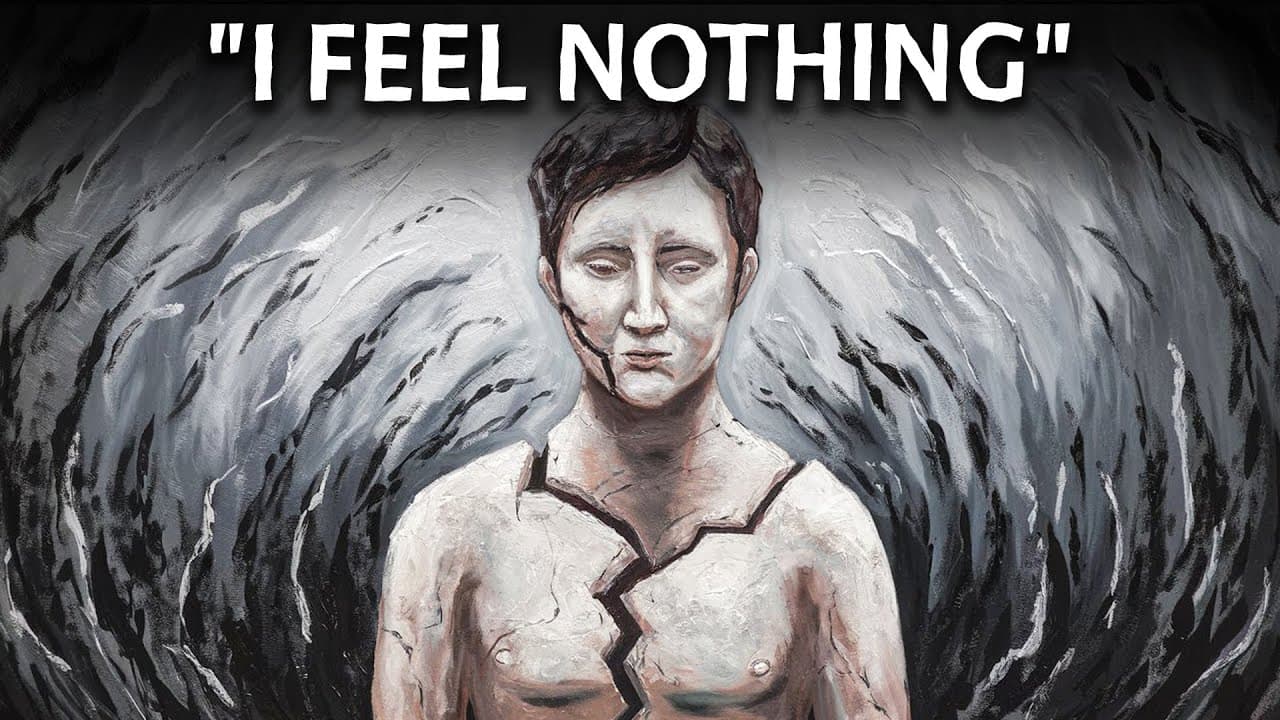
Depression is an overwhelming emptiness, not just sadness.
Transcript
imagine waking up and feeling as if the whole world has lost its color as if every step is too heavy as if even breathing requires an effort you simply don't have have you ever felt this way as if you were watching your own life from a distance without really being a part of it depression is not just sadness it's not just being unmotivated or havin... Read More
Key Insights
- Depression is more than just sadness; it's a pervasive emptiness that affects mental, physical, and emotional states, making even simple tasks seem insurmountable.
- Sigmund Freud viewed depression as displaced mourning, while Carl Jung saw it as a call for transformation, indicating that depression may be a signal for change.
- Modern science explains depression as a change in brain chemistry, affecting neurotransmitters like serotonin and dopamine, which are crucial for pleasure and well-being.
- Societal pressures and the constant comparison fostered by social media contribute to the rise in depression, creating feelings of inadequacy and disconnection.
- Depression can be a signal that something in one's life needs to change, urging individuals to reconnect with their true selves and realign their lives.
- Small actions, like drinking a glass of water or taking a short walk, can break the cycle of depression by restoring a sense of control and initiating positive change.
- Recovery from depression is not linear and requires patience, experimentation, and finding the right approach that works for the individual, without succumbing to guilt or frustration.
- Depression is not an identity; it is a temporary state that can be overcome by acknowledging one's intrinsic value and taking steps towards healing.
Install to Summarize YouTube Videos and Get Transcripts
Explore YouTube Video Summarizer or Get YouTube Transcript Extractor
Questions & Answers
Q: What is the main misconception about depression?
The main misconception about depression is that it is simply sadness or a lack of motivation. In reality, depression is a deep, overwhelming emptiness that affects mental, physical, and emotional states, making even simple tasks seem insurmountable. It is not a choice or a sign of weakness, but a complex condition with deep-rooted causes.
Q: How do Freud and Jung view depression?
Freud viewed depression as a form of displaced mourning, suggesting that those who are depressed are mourning a loss, which might not always be tangible. Jung, on the other hand, saw depression as a call for transformation, indicating that when the mind is in a state of discouragement, it might be signaling that something within needs to change.
Q: What does modern science say about depression?
Modern science explains depression as a change in brain chemistry, particularly affecting neurotransmitters like serotonin and dopamine, which are crucial for feelings of pleasure and well-being. This biological perspective highlights that depression is not just a matter of willpower, and it alters the way the brain functions.
Q: How does society contribute to the rise in depression?
Society contributes to the rise in depression through constant pressure and comparison, especially via social media, which creates unrealistic standards of happiness and success. This environment fosters feelings of inadequacy and disconnection, as individuals are bombarded with images of perfect lives, leading to an endless cycle of dissatisfaction.
Q: What role do small actions play in overcoming depression?
Small actions play a crucial role in overcoming depression by breaking the cycle of paralysis and restoring a sense of control. Simple tasks, like drinking water or taking a short walk, may seem insignificant but can initiate positive change by sending a message to the brain that some control is possible, thus gradually improving one's state.
Q: Why is it important to personalize the approach to recovering from depression?
Personalizing the approach to recovering from depression is important because what works for one person may not work for another. Recovery is not linear and requires patience and experimentation. Finding the right combination of therapy, medication, or other strategies is crucial, as individuals need to discover what specifically helps them without succumbing to guilt or frustration.
Q: How can one avoid the trap of feeling guilty during recovery?
To avoid the trap of feeling guilty during recovery, it is essential to understand that recovery is a gradual process with ups and downs. Expectations for quick improvement can lead to frustration. Emphasizing patience, self-compassion, and recognizing that setbacks are part of the journey can help alleviate guilt and maintain motivation for healing.
Q: What is the final message about depression in the video?
The final message about depression in the video is that it is not an identity or a permanent state. It is a temporary condition that can be overcome by acknowledging one's intrinsic value and taking small steps towards healing. Depression tries to convince individuals that it defines them, but the truth is that they are much more than their depression, and recovery is possible.
Summary & Key Takeaways
-
Depression is a profound emptiness, not just sadness, affecting mind and body, making simple tasks feel overwhelming. It’s often misunderstood and mistaken for laziness or weakness, but it's a real condition with deep roots.
-
Thinkers like Freud and Jung suggest depression may signal a need for internal change. Modern science supports this by showing altered brain chemistry in depression, indicating it's not just a matter of willpower.
-
Societal pressures and constant comparison exacerbate depression, but small, deliberate actions can help break its cycle. Recovery is gradual and requires patience and personalized approaches, as depression is not one's identity.
Read in Other Languages (beta)
Share This Summary 📚
Summarize YouTube Videos and Get Video Transcripts with 1-Click
Try YouTube Summary with ChatGPT & Claude or YouTube Transcript Generator
Explore More Summaries from Psyphoria 📚




Summarize YouTube Videos and Get Video Transcripts with 1-Click
Try YouTube Summary with ChatGPT & Claude or YouTube Transcript Generator