Why Is It Important for Doctors to Admit Mistakes?
TL;DR
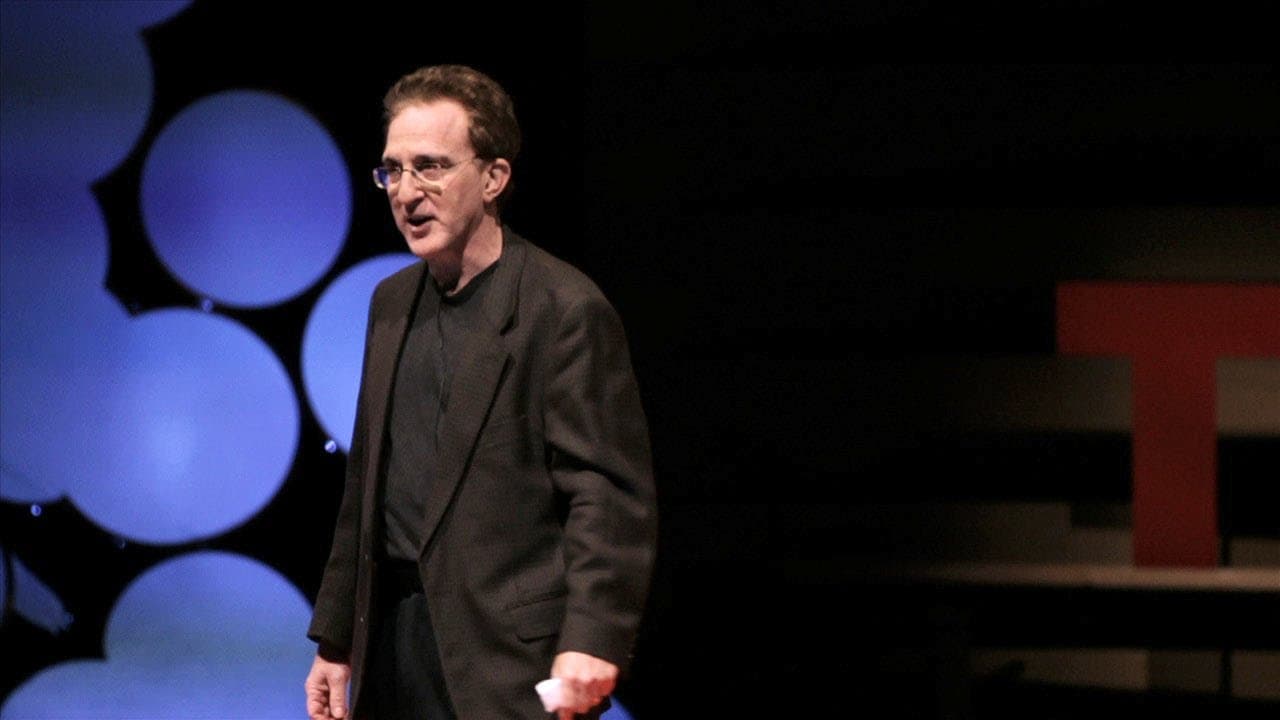
Doctors must admit mistakes to foster a healthier medical culture that promotes learning and improvement. Acknowledging human fallibility allows physicians to share experiences and teach each other, ultimately leading to better patient care. Transforming the culture of medicine starts with each physician striving to learn from their errors and supporting their colleagues in doing the same.
Transcript
I think we have to do something about a piece of the culture of medicine that has to change. And I think it starts with one physician, and that's me. And maybe I've been around long enough that I can afford to give away some of my false prestige to be able to do that. Before I actually begin the meat of my talk, let's begin with a bit of baseball. ... Read More
Key Insights
- 🏥 The culture of medicine needs to change, starting with individual physicians being willing to admit their mistakes and learn from them.
- ⚾️ Baseball statistics, such as batting average, can be used to emphasize the importance of performance in medicine.
- ⚕️ There is no defined benchmark for what a "good" surgeon or physician's batting average should be, highlighting the lack of clear expectations in the medical field.
- 🚑 Medical errors are pervasive in the healthcare system, leading to preventable deaths and other negative outcomes.
- 😔 Unhealthy shame and denial of mistakes exists in the medical field, making it difficult for physicians to admit and learn from their errors.
- 🔍 There is a need for a redefined medical culture that supports open discussions about mistakes and encourages learning from them.
- 😷 Redefined physicians accept their fallibility and strive to learn from mistakes, as well as support others in discussing and learning from their own errors.
- 💡 The healthcare system should create backup systems to detect and prevent mistakes, as well as reward individuals for pointing out potential errors and taking responsibility for their own mistakes.
Install to Summarize YouTube Videos and Get Transcripts
Explore YouTube Video Summarizer or Get YouTube Transcript Extractor
Questions & Answers
Q: What piece of the culture of medicine does the speaker believe needs to change?
The speaker believes that the culture of medicine needs to change in regards to how mistakes are viewed and discussed.
Q: How does the speaker suggest this change should start?
The speaker believes that the change should start with individual physicians acknowledging their own mistakes and being willing to share and learn from them.
Q: What is the speaker's experience with medical mistakes?
The speaker shares personal experiences of making mistakes as a physician, including sending a patient home who later became critically ill and misdiagnosing a patient with a potentially life-threatening condition.
Q: Why does the speaker believe it is important to talk about and learn from medical mistakes?
The speaker believes that openly discussing and learning from mistakes can help prevent them from happening in the future and improve patient care. It also creates a supportive environment where healthcare professionals can share and receive guidance on how to avoid mistakes.
Summary & Key Takeaways
-
The speaker believes that the culture of medicine needs to change and it starts with individual physicians, including himself.
-
He uses the analogy of baseball statistics to illustrate the importance of measuring success in medicine and questions what a "good" batting average is for different medical professionals.
-
The speaker shares personal stories of his own mistakes and emphasizes the need for a redefined medical culture that acknowledges human fallibility and allows for learning and improvement.
Read in Other Languages (beta)
Share This Summary 📚
Summarize YouTube Videos and Get Video Transcripts with 1-Click
Try YouTube Summary with ChatGPT & Claude or YouTube Transcript Generator
Explore More Summaries from TED 📚
Summarize YouTube Videos and Get Video Transcripts with 1-Click
Try YouTube Summary with ChatGPT & Claude or YouTube Transcript Generator