Want kids to learn well? Feed them well | Sam Kass
TL;DR
This content explores the connection between nutrition and education, emphasizing the importance of providing nutritious meals to children.
Transcript
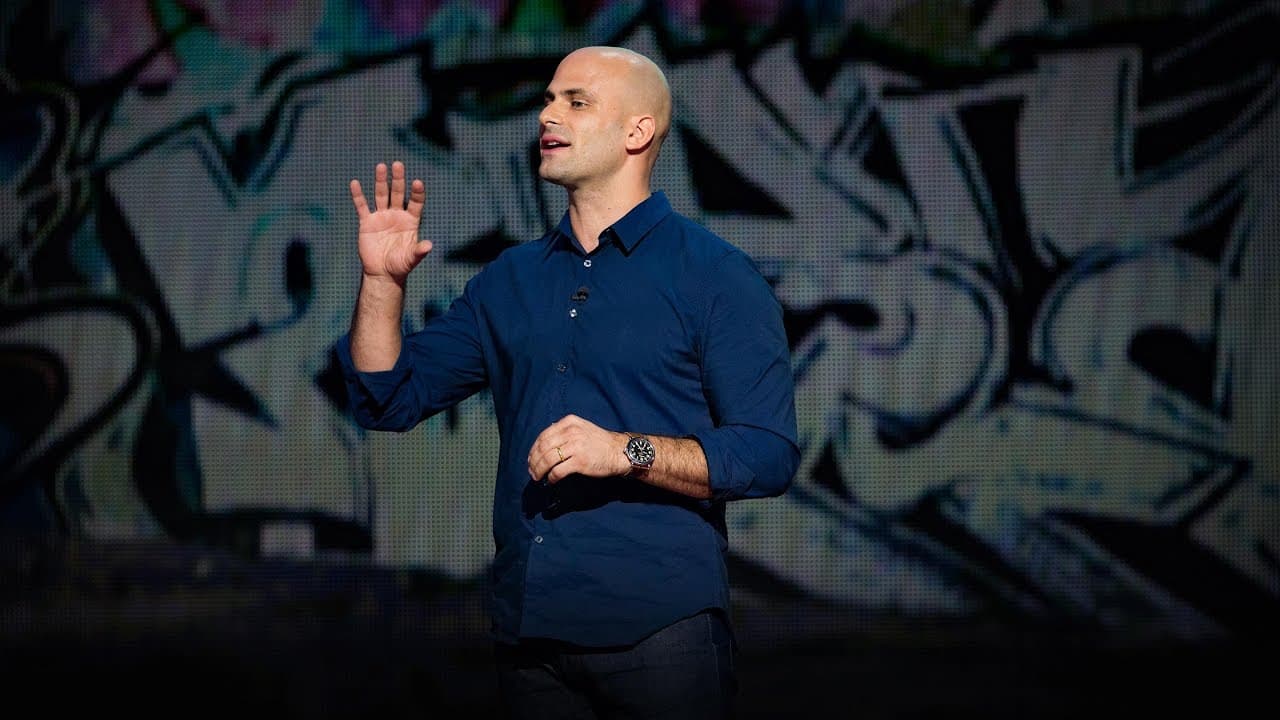
Translator: Joseph Geni Reviewer: Camille Martínez I am a chef and a food policy guy, but I come from a whole family of teachers. My sister is a special ed teacher in Chicago. My father just retired after 25 years teaching fifth grade. My aunt and uncle were professors. My cousins all teach. Everybody in my family, basically, teaches except for me.... Read More
Key Insights
- 🍳 The connection between a child's mind and body is crucial for educational outcomes.
- 🍽️ Kids with diets high in sugar and low in nutrients struggle to learn effectively.
- 🏫 Are we truly setting up our children for success with the resources we invest in schools?
- 🥘 School meals play a significant role in children's well-being and ability to focus and learn.
- 🍲 The lack of consistent nourishment, particularly at breakfast, leads to poor cognitive function in children.
- 🥐 Food insecurity affects a significant portion of the population, while diet-related issues lead to preventable health problems.
- 🏫 Programs that provide free breakfast and lunch to low-income kids in schools have been successful in improving academic performance.
- 🌍 Improving access to nutritious and sustainable food has wide-ranging benefits, from economic productivity to environmental sustainability.
- 🍽️ Feeding our children nutritious food is just the start; we need collective efforts to address broader issues and create a positive impact.
Install to Summarize YouTube Videos and Get Transcripts
Explore YouTube Video Summarizer or Get YouTube Transcript Extractor
Questions & Answers
Q: What is the connection between a child's growing mind and their growing body?
The speaker suggests that there is a strong connection between a child's growing mind and their growing body. He questions whether children can learn effectively if their diets are full of sugar and empty of nutrients or if they are literally going hungry. He emphasizes the importance of understanding this connection in order to improve educational outcomes for children.
Q: How can a nutritious breakfast impact a child's health and academic performance?
A nutritious breakfast can have various positive effects on a child's health and academic performance. The speaker presents the case of Allison, a 12-year-old student who benefits from a school serving a nutritious breakfast. Such a meal increases the chances of receiving a well-balanced and low-sugar meal, leading to lower obesity rates, improved attendance, better behavior, and reduced levels of anxiety and depression. Overall, a nutritious breakfast contributes to better overall health and academic outcomes for children.
Q: What are the statistics regarding food insecurity and poor nutrition among children?
The speaker highlights the prevalence of food insecurity and poor nutrition among children. He mentions that one in six Americans, including almost 20 percent of children, are food insecure. In New York City alone, 474,000 children face hunger every year. Moreover, diet and nutrition is the leading cause of preventable death and disease in the United States, contributing to the lifelong health risks faced by many children, including a third of them who are at risk of developing diabetes.
Q: How can schools address the issue of food insecurity among students?
The speaker discusses a successful program implemented in schools with a high percentage of low-income students. This program allows all students, regardless of their economic background, to receive free breakfast and lunch. By eliminating the stigma associated with receiving government help, the program has resulted in improved academic performance. Schools that implemented this program experienced a 17.5 percent increase in math and reading scores. The program also increases the chances of graduation by 20 percent for students who have consistent access to nutritious breakfasts.
Q: How did a nutrition director in Burke County, Georgia implement strategies to improve children's nutrition?
Donna Martin, the school nutrition director in Burke County, Georgia, took proactive steps to improve children's nutrition. She enhanced nutrition standards, added more fruit, vegetables, and whole grains to meals, and initiated a breakfast program in classrooms. Additionally, recognizing that some children didn't have dinner at home, she implemented a dinner program. This comprehensive approach resulted in children enjoying healthier meals, reduced hunger, and improved academic and athletic performance. Even the head football coach credited the team's state championship win to the improved nutrition provided by Donna.
Summary & Key Takeaways
-
The speaker comes from a family of teachers and acknowledges the importance of asking the right questions to improve educational outcomes for children.
-
The speaker shares a story about school chefs and highlights the issue of food insecurity among students, emphasizing the impact of nutrition on learning and overall health.
-
The speaker discusses the success of programs that provide nutritious meals to students, highlighting the positive effects on academic performance and graduation rates.
Read in Other Languages (beta)
Share This Summary 📚
Summarize YouTube Videos and Get Video Transcripts with 1-Click
Try YouTube Summary with ChatGPT & Claude or YouTube Transcript Generator
Explore More Summaries from TED 📚




Summarize YouTube Videos and Get Video Transcripts with 1-Click
Try YouTube Summary with ChatGPT & Claude or YouTube Transcript Generator