What Is the NePoPo® Training System for Dogs?

TL;DR
The NePoPo® training system, developed by Michael and Bart Bellon, utilizes a negative-positive-positive reinforcement approach to improve dog training, fostering trust and communication. It applies to both sport and pet dogs, emphasizing the importance of structured play and understanding canine psychology to enhance behavior and relationships effectively.
Transcript
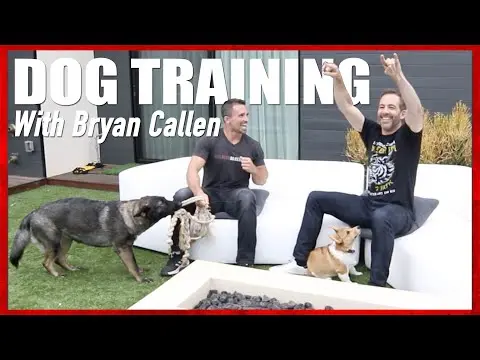
hey what's going on everyone I'm Nate Schmer and you're watching my show on dog training where I sit down with worldclass trainers behavior specialists authors and educators from the world of dogs Today's guest is Bowwow Bill Bowwow Bill's passion for dogs began at just eight years of age sparking a lifelong commitment to understanding K9 behavior ... Read More
Key Insights
- NePoPo® stands for negative-positive-positive, a system designed to enhance dog training by building trust and communication.
- Bow Wow Bill emphasizes the importance of understanding canine psychology for effective training and relationship building.
- The NePoPo® system is versatile and can be applied to both sport and pet dogs, focusing on motivation and balanced techniques.
- E-collars, when used correctly, can be beneficial in training, providing a reliable means of communication over distances.
- Common mistakes in dog training include anthropomorphizing dogs and not observing their natural behaviors.
- Structured play is essential in dog training, fostering better learning and stronger relationships between dogs and owners.
- The NePoPo® system encourages observing dogs to understand their behavior before implementing training changes.
- Building a dog's confidence through incremental changes and structured environments can lead to lasting behavior improvements.
Install to Summarize YouTube Videos and Get Transcripts
Explore YouTube Video Summarizer or Get YouTube Transcript Extractor
Questions & Answers
Q: What is NePoPo® and how is it applied to pet dogs?
NePoPo® is a training system that stands for negative-positive-positive, developed to enhance dog training by building trust and communication. It is versatile and can be applied to both sport and pet dogs. The system focuses on motivation, balanced techniques, and understanding canine psychology to improve training outcomes and build a strong bond between dogs and their owners.
Q: How can E-collars benefit pet dog training?
E-collars, when used correctly, provide a reliable means of communication over distances, allowing trainers to reinforce commands and correct behaviors effectively. They are particularly useful in maintaining control and ensuring safety during off-leash activities. However, it's crucial to ensure the collar makes proper contact and to use it as part of a balanced training approach that includes positive reinforcement.
Q: What are common mistakes in dog training?
Common mistakes in dog training include anthropomorphizing dogs, which means attributing human characteristics to them, and not observing their natural behaviors. Trainers often fail to manage expectations, rush the training process, or use inconsistent commands. Understanding and respecting the dog's communication style and building a structured environment are essential for effective training.
Q: Why is structured play important in dog training?
Structured play is crucial in dog training as it fosters better learning and strengthens the relationship between dogs and their owners. Play helps dogs release energy, reduces stress, and improves their ability to focus during training sessions. It also provides an opportunity for dogs to learn commands in a fun and engaging way, enhancing their motivation and willingness to learn.
Q: How can pet owners build a dog's confidence?
Building a dog's confidence involves observing their behavior, managing expectations, and making incremental changes in their environment. Structured environments and consistent routines help dogs feel secure. Introducing new experiences gradually and rewarding positive behavior can also boost a dog's confidence. Building trust through clear communication and positive reinforcement is key to helping dogs overcome fears and develop confidence.
Q: What is the significance of observation in dog training?
Observation is a critical component of dog training as it allows trainers to understand a dog's natural behavior, triggers, and communication style. By observing how a dog responds to different situations, trainers can tailor their approach to address specific issues effectively. Observation helps in identifying the root causes of behavioral problems and in implementing appropriate training strategies.
Q: How does NePoPo® differ from other training systems?
NePoPo® differs from other training systems by emphasizing the use of negative-positive-positive reinforcement to build motivation and drive in dogs. It focuses on understanding canine psychology and creating a structured framework for training. Unlike some systems that may rely heavily on positive or negative reinforcement alone, NePoPo® seeks a balanced approach that fosters trust and communication between dogs and their owners.
Q: What role does motivation play in dog training?
Motivation is a key factor in successful dog training. It drives the dog's willingness to learn and perform commands reliably. Using rewards that are meaningful to the dog, such as treats, toys, or praise, can enhance motivation. Understanding what motivates a particular dog and incorporating it into training sessions can lead to more effective learning and a stronger bond between the dog and the owner.
Summary & Key Takeaways
-
The NePoPo® training system, developed by Michael and Bart Bellon, is designed to enhance dog training through a structured approach of negative-positive-positive reinforcement. It aims to build trust, communication, and a strong bond between dogs and their owners, making it suitable for both sport and pet dogs.
-
Bow Wow Bill, an experienced dog trainer, discusses the importance of understanding canine psychology and behavior for effective training. He highlights the benefits of using tools like E-collars and dopamine boxes when used correctly to improve training outcomes and build motivation in dogs.
-
The live session emphasizes the need for balanced training techniques, avoiding common mistakes like anthropomorphizing dogs, and the importance of structured play in dog training. By observing dogs and making incremental changes, owners can build a dog's confidence and achieve lasting behavior improvements.
Read in Other Languages (beta)
Share This Summary 📚
Summarize YouTube Videos and Get Video Transcripts with 1-Click
Try YouTube Summary with ChatGPT & Claude or YouTube Transcript Generator
Explore More Summaries from Nate Schoemer 📚





Summarize YouTube Videos and Get Video Transcripts with 1-Click
Try YouTube Summary with ChatGPT & Claude or YouTube Transcript Generator