Problem 5 Based on Consolidation of Soil - Consolidation of Soils - Soil Mechanics
TL;DR
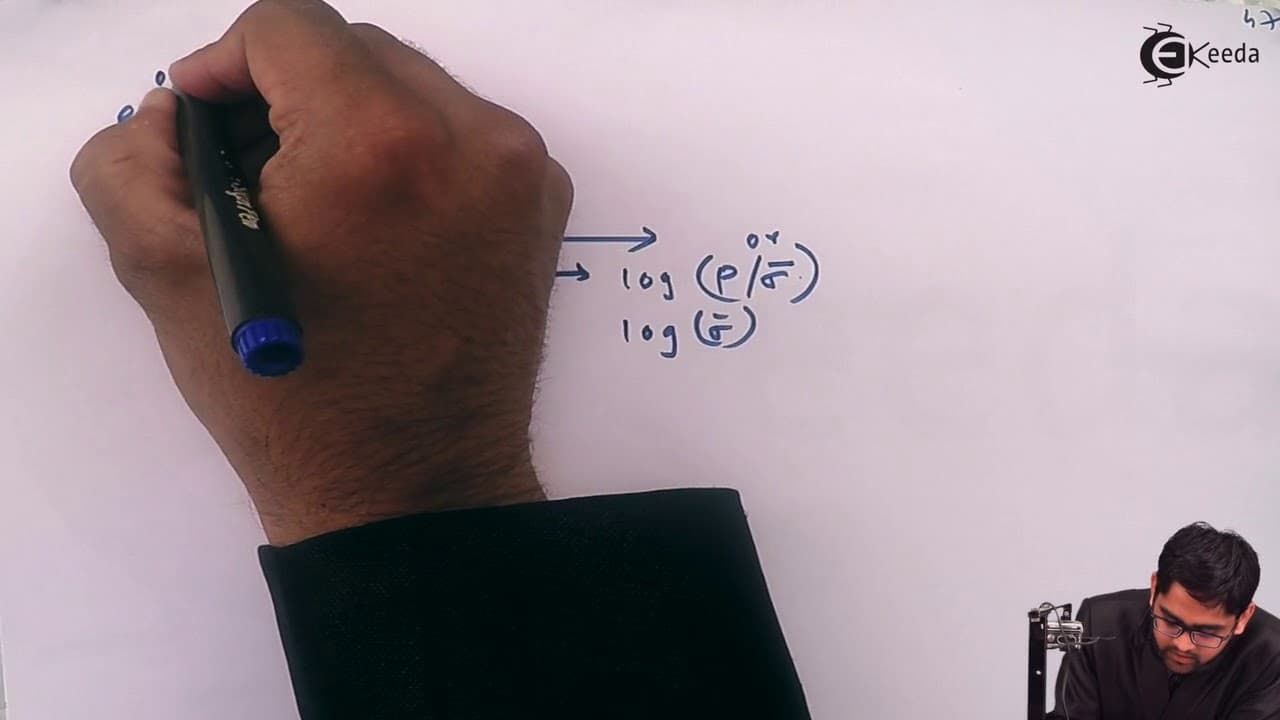
This video discusses the consolidation of silty clay, covering topics such as pre-consolidation stress, laboratory vs. field curve, compression index, settlement calculation, and recompression vs. virgin compression curves.
Transcript
so students with more out with the next fifth problem on the consolidation of SOI the concept of this problem is slightly different than the previous problem that what we have seen in the consolidation part and the conceptual or here is different because here there is a terminology which is called as the pre-consolidation stress so I read the state... Read More
Key Insights
- ❓ Pre-consolidation stress is a crucial parameter in consolidation testing for silty clay layers.
- 🔬 Sample disturbance during sampling and transportation can affect laboratory consolidation curves and require correction.
- 🫰 Compression index (CC) and recompression index (CR) play important roles in settlement calculations.
- ⚾ Recompression and virgin compression curves are used based on stress increments to determine settlement values accurately.
- 😒 Accurate settlement calculations require a thorough understanding of the different parts of the compression curve and the correct use of corresponding indices.
- 🥳 The formula for consolidation settlement includes the initial void ratio, stress increments, and compression indices.
- 😑 Virgin compression curves start at the pre-consolidation stress, while recompression curves start from the initial stress.
Install to Summarize YouTube Videos and Get Transcripts
Explore YouTube Video Summarizer or Get YouTube Transcript Extractor
Questions & Answers
Q: What is pre-consolidation stress, and how does it impact consolidation testing for silty clay?
Pre-consolidation stress is the maximum stress experienced by soil in the past. It affects consolidation testing as it determines the type of soil (over-consolidated or normally consolidated) and helps calculate settlement values accurately.
Q: How can sample disturbance during sampling and transportation affect consolidation testing results?
Sample disturbance can lead to deviations from the field consolidation curve in laboratory testing. Vibration and other factors can cause the sample to be disturbed, requiring correction using methods like extrapolation and the Swamme-Zienkiewicz method.
Q: What is the compression index, and how is it calculated?
The compression index (CC) is the slope of the normally consolidated part of the compression curve. It is determined by calculating the change in void ratio for a given change in effective stress.
Q: How do we determine settlement values for stress increments in recompression and virgin compression parts of the curve?
For stress increments within the recompression part, we use the recompression index (CR) to calculate settlement. For stress increments within the virgin compression part, we use the compression index (CC) to determine settlement values.
Summary & Key Takeaways
-
The video explains the concept of pre-consolidation stress and its importance in consolidation testing for silty clay layers.
-
It mentions the possibility of disturbance during sampling and transportation, which can affect the laboratory curve and require correction.
-
The video provides details on the calculation of compression index, pre-consolidation stress, and initial void ratio.
-
It discusses the use of recompression and virgin compression curves for settlement calculations and explains how to determine the correct curve based on stress increments.
Read in Other Languages (beta)
Share This Summary 📚
Summarize YouTube Videos and Get Video Transcripts with 1-Click
Try YouTube Summary with ChatGPT & Claude or YouTube Transcript Generator
Explore More Summaries from Ekeeda 📚





Summarize YouTube Videos and Get Video Transcripts with 1-Click
Try YouTube Summary with ChatGPT & Claude or YouTube Transcript Generator