How Can Tutor.ai Generate R Code from Natural Language?
TL;DR
Tutor.ai allows users to convert natural language commands into R code for data visualization and analysis, simplifying the process significantly. It supports built-in datasets and custom data uploads, catering to various analytical needs. However, users may experience inconsistencies in code outputs for similar queries, reflecting the evolving nature of the AI's capabilities.
Transcript
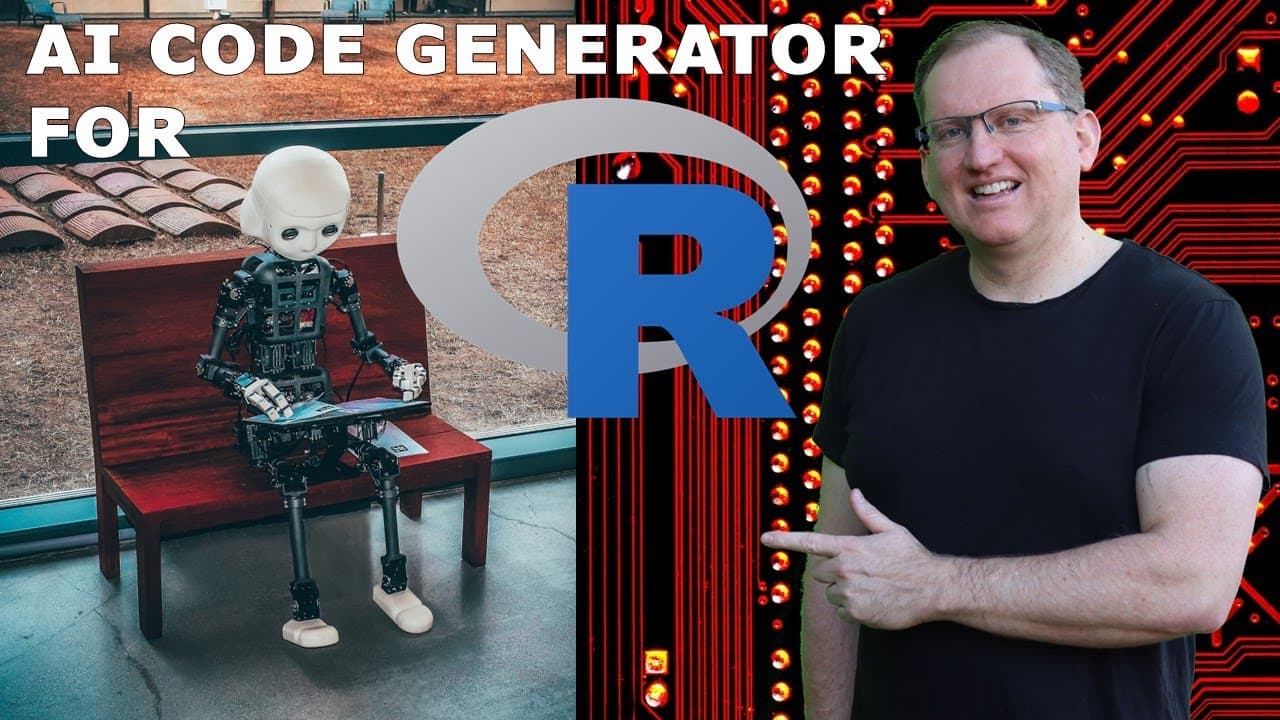
hi friends and welcome back to the channel I have something really exciting for you today although ultimately it might do us all out of a job so this is our tutor dot Ai and it is a site where you can ask for something to be done in art and it will do its best with its AI modeling to generate the code to do that thing for you so it's got all of the... Read More
Key Insights
- 👨💻 Tutor.ai leverages AI to facilitate R coding, allowing users to generate code through natural language, enhancing accessibility.
- 🏛️ The platform supports built-in datasets and custom uploads, enabling a flexible approach to data analysis and visualization.
- 👤 Users can specify styles like 'ggplot' or aggregate functions to tailor outputs to their coding preferences, showcasing a customizable user experience.
- 👨💻 AI accuracy can fluctuate; similar commands may produce varying codes, reflecting the model's learning stage and necessitating user experimentation.
- 🍵 The tool's ability to handle both categorical and numeric variables illustrates its versatile potential for data analysis tasks.
- 🥺 As the AI continues to learn from user queries, improvements may lead to increased reliability and sophistication in output generation.
- 😮 There are concerns regarding how the rise of AI coding tools may affect employment opportunities in data science and analytics fields.
Install to Summarize YouTube Videos and Get Transcripts
Explore YouTube Video Summarizer or Get YouTube Transcript Extractor
Questions & Answers
Q: How does Tutor.ai generate R code from natural language?
Tutor.ai utilizes AI modeling to interpret user inputs typed in everyday language, converting the requests into accurate R code. By processing the instructions line by line and leveraging built-in datasets, it generates plots, performs analysis, and even calls specific R packages when required, making it accessible to users with varying coding expertise.
Q: Can Tutor.ai handle both categorical and numeric variables effectively?
Yes, Tutor.ai can manage both types of variables when generating code. Users can input requests involving interactions between these variables, such as creating plots or performing statistical tests. However, the platform may sometimes struggle with ambiguity in variable types, leading to some trial and error until the desired outputs are achieved.
Q: What types of visualizations can Tutor.ai create?
Tutor.ai can create a wide range of visualizations, including box plots, scatter plots, bubble plots, and even regression plots. By specifying preferences, such as using 'ggplot' or 'base R', users can easily customize the appearance and structure of their visualizations with simple commands.
Q: Are results consistent when using Tutor.ai for the same command?
Results may vary even with identical commands, as Tutor.ai's AI may generate different outputs on multiple runs. This inconsistency is particularly evident when querying for summary statistics or model outputs, indicating the tool's development stage and potential areas for improvement as it learns from user inputs.
Q: What happens when a request is unclear or vague?
If a request is vague or unclear, Tutor.ai attempts its best to infer user intentions, though this may not always yield the expected results. For example, asking for general modeling might result in basic linear models that may not address the user's deeper analysis and could lead to user frustration if the outputs fall short of expectations.
Q: Is Tutor.ai suited for both beginners and advanced R users?
Tutor.ai is designed to cater to a wide audience, from beginners who may struggle with coding to advanced users who seek quick solutions for complex data analysis. Its intuitive input system simplifies the coding process, yet it also offers advanced functionalities that proficient users can leverage for efficient analysis.
Q: How does Tutor.ai compare to traditional coding practices in R?
Tutor.ai significantly reduces the barrier to entry for R coding by allowing users to employ natural language instead of requiring syntax knowledge. This can lead to quicker visualizations and analytical outcomes, though it may lack some precision that seasoned coders might achieve through traditional coding methods.
Q: What are the potential implications of using AI tools like Tutor.ai in data analysis?
The use of AI tools like Tutor.ai could streamline data analysis processes, making them more accessible to non-experts. However, reliance on such tools raises questions about job security for data professionals, the quality of insights derived when compared to human analysis, and the importance of understanding underlying statistical principles.
Summary & Key Takeaways
-
Tutor.ai is an innovative platform that allows users to generate R coding commands by simply entering natural language requests, greatly simplifying data visualization and analysis processes.
-
The platform features built-in datasets, including the option for users to upload their data, and offers various model types like box plots, regression analysis, and summary statistics.
-
While it performs well with many requests, users may encounter inconsistencies, as different queries can yield different code outputs, highlighting both its potential and its limitations.
Read in Other Languages (beta)
Share This Summary 📚
Summarize YouTube Videos and Get Video Transcripts with 1-Click
Try YouTube Summary with ChatGPT & Claude or YouTube Transcript Generator
Explore More Summaries from Dr Lyndon Walker 📚



Summarize YouTube Videos and Get Video Transcripts with 1-Click
Try YouTube Summary with ChatGPT & Claude or YouTube Transcript Generator