How to Train Puppies to Obey Commands
TL;DR
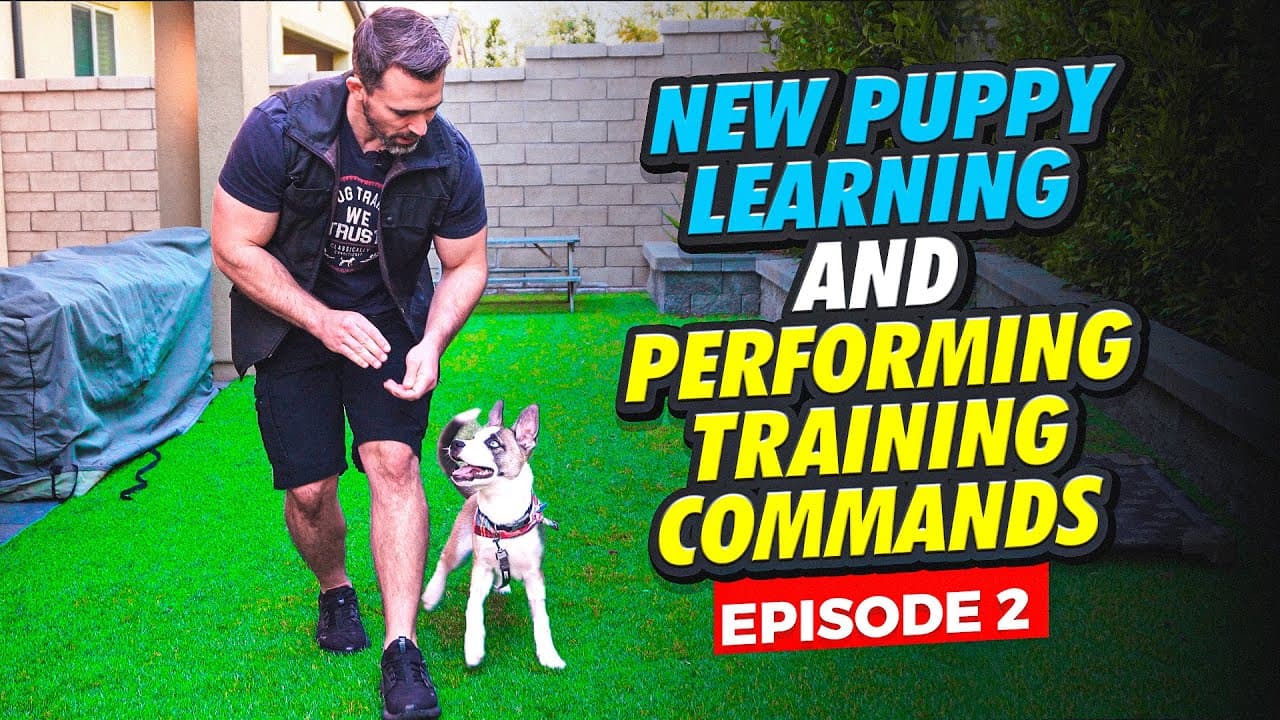
Puppy obedience training focuses on leash pressure and verbal commands, emphasizing repetition and pattern recognition. Using food as a reward, rather than treats, encourages dogs to work for their meals. Training sessions should be fun, short, and adjusted according to the dog's progress, ensuring a successful learning experience.
Transcript
in today's episode I will show you obedience training sessions four through six for puppies fent from beginning to end during these three training sessions we worked more on leash pressure and the verbal commands at this point of the training it's mostly about repetition providing the dog with the same picture over and over again so they can learn ... Read More
Key Insights
- Leash pressure is a crucial technique in puppy training, guiding the dog without physical force.
- Repetition and pattern recognition help puppies understand expected behaviors.
- Using food as a reward instead of treats encourages dogs to work for their meals.
- Training sessions should be short and fun to maintain the puppy's interest.
- Adjust training techniques according to the dog's progress and needs.
- Negative reinforcement can be used to correct unwanted behaviors like jumping.
- Commands should precede physical cues to teach dogs to respond to verbal instructions.
- Engagement training helps maintain a dog's focus during sessions.
Install to Summarize YouTube Videos and Get Transcripts
Explore YouTube Video Summarizer or Get YouTube Transcript Extractor
Questions & Answers
Q: How to use leash pressure in puppy training?
Leash pressure is used as a cue rather than a forceful tool. It involves applying gentle pressure to guide the puppy into desired positions, such as sitting or lying down. The pressure should be light and consistent, released immediately once the puppy complies. This technique helps the puppy understand expectations without physical force.
Q: Why is repetition important in puppy training?
Repetition is crucial because it helps puppies learn through pattern recognition. By consistently presenting the same commands and cues, puppies begin to understand what is expected of them. Repetition builds confidence and reinforces learning, making it easier for the puppy to remember and perform the desired behaviors.
Q: What are the benefits of using food instead of treats in training?
Using food as a reward encourages puppies to work for their meals, integrating training into their daily routine. This approach avoids the excessive use of sugar-filled treats, promoting a healthier diet. It also helps maintain the puppy's interest in training, as they associate meal times with learning opportunities.
Q: How can negative reinforcement be applied in puppy training?
Negative reinforcement involves using mild aversive stimuli, like leash pressure, to discourage unwanted behaviors. For example, if a puppy jumps, applying gentle pressure with the leash can signal that the behavior is undesirable. Once the puppy stops, the pressure is released, rewarding them for the correct behavior.
Q: When should commands precede physical cues in training?
Commands should always precede physical cues to teach puppies to respond to verbal instructions. By saying the command before applying a physical cue, puppies learn to associate the verbal command with the desired action. Over time, they will perform the behavior upon hearing the command alone, without needing physical guidance.
Q: What is the role of engagement training in puppy sessions?
Engagement training helps maintain a puppy's focus during sessions. It involves activities that capture the puppy's attention and keep them interested in the training process. By ensuring the puppy is engaged, trainers can effectively teach commands and behaviors, making the learning experience more enjoyable and productive.
Q: How to adjust training techniques based on a puppy's progress?
Training techniques should be adjusted according to the puppy's progress and individual needs. If a puppy struggles with a particular command, revisiting previous steps or simplifying the exercise can help. Observing the puppy's response and making necessary changes ensures that the training remains effective and tailored to the puppy's learning pace.
Q: Why is it important to keep training sessions short and fun?
Short, fun training sessions help maintain a puppy's interest and prevent them from becoming overwhelmed or bored. By keeping sessions engaging and enjoyable, puppies are more likely to look forward to training and retain the information being taught. This approach builds a positive association with learning and strengthens the bond between the puppy and trainer.
Summary & Key Takeaways
-
Puppy obedience training involves using leash pressure and verbal commands, focusing on repetition and pattern recognition to teach expected behaviors. Incorporating food as a reward encourages dogs to work for their meals. Training sessions should be enjoyable and adjusted based on the dog's progress to ensure successful learning.
-
Using negative reinforcement, such as leash pressure, can correct unwanted behaviors like jumping. Commands should always precede physical cues, helping dogs learn to respond to verbal instructions. Engagement training is essential for maintaining focus during sessions.
-
The key to successful puppy training is patience and adaptability, adjusting techniques according to the dog's needs. Keeping sessions short and fun helps maintain the puppy's interest, ensuring a positive training experience that builds a strong bond between the dog and trainer.
Read in Other Languages (beta)
Share This Summary 📚
Summarize YouTube Videos and Get Video Transcripts with 1-Click
Try YouTube Summary with ChatGPT & Claude or YouTube Transcript Generator
Explore More Summaries from Nate Schoemer 📚




Summarize YouTube Videos and Get Video Transcripts with 1-Click
Try YouTube Summary with ChatGPT & Claude or YouTube Transcript Generator