Organizational Communication
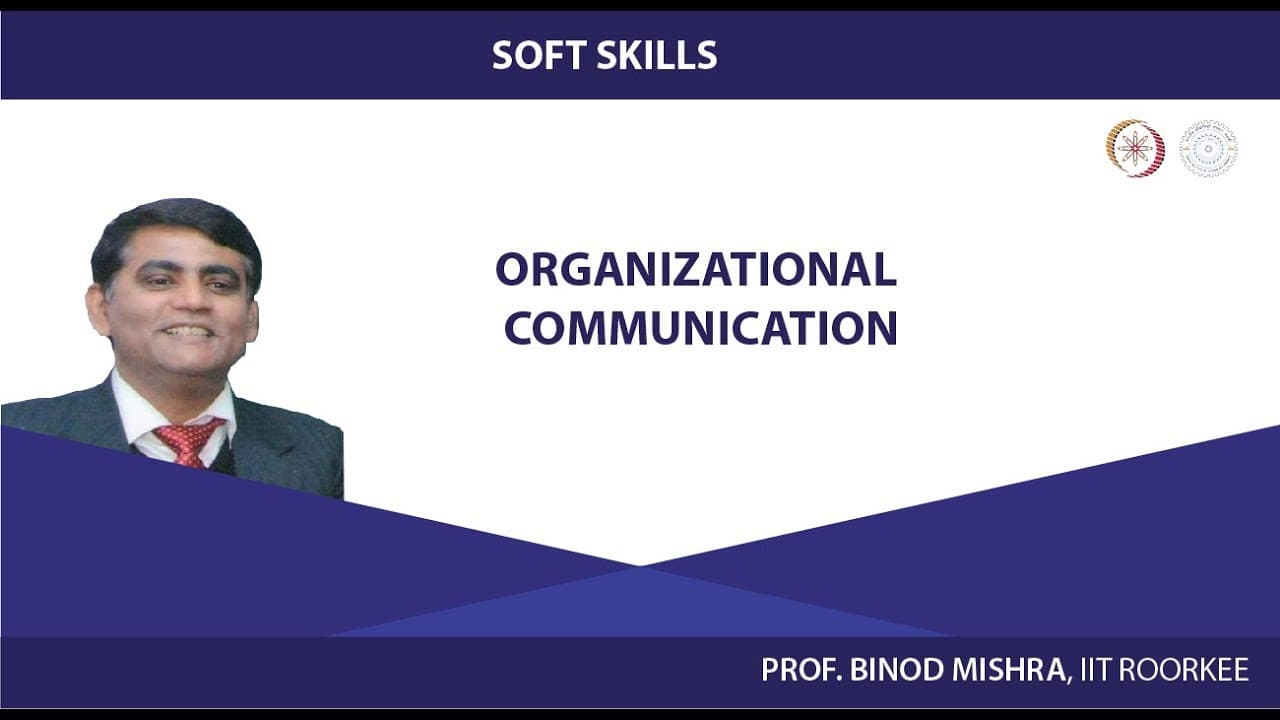
TL;DR
Organizational communication is vital for effective management and employee satisfaction.
Transcript
good morning welcome back to the series of lectures and soft skills till now you have learnt how communication skills play a major role in making you as a suitable as well as a successful professional moreover it also helps you improve your other skills while you are learning soft skills you are also enhancing other skills of yours which help you n... Read More
Key Insights
- Communication skills are crucial for both personal and professional success, enhancing other skills and making individuals suitable professionals.
- Organizational communication involves structured and managed communication to meet collective goals, requiring awareness of both individual and organizational objectives.
- Effective communication in organizations ensures smooth operations, with management structures determining relationships and responsibilities among members.
- Organizations have various communication functions, including forecasting, planning, and coordinating roles to achieve goals and ensure effective management.
- Communication in organizations can be horizontal, vertical, or crosswise, facilitating interactions across different divisions and levels for smooth operations.
- Informal communication channels, like grapevine, can provide valuable insights and warnings, supplementing formal communication for effective management.
- Understanding human needs, such as Maslow's hierarchy, helps in addressing employee motivations and enhancing organizational communication strategies.
- Effective communication ensures employee satisfaction, productivity, and a sense of belonging, contributing to the overall success of the organization.
Install to Summarize YouTube Videos and Get Transcripts
Explore YouTube Video Summarizer or Get YouTube Transcript Extractor
Questions & Answers
Q: What is the role of communication skills in professional success?
Communication skills are crucial for professional success as they enhance other skills and make individuals suitable professionals. Effective communication allows individuals to express ideas clearly, collaborate with others, and build strong professional relationships. It also plays a significant role in personal development, contributing to overall success in both personal and professional domains.
Q: Why is organizational communication important?
Organizational communication is important because it ensures smooth operations and effective management within organizations. It involves structured communication processes that facilitate interactions among members, helping achieve collective goals. Effective organizational communication also enhances employee satisfaction and productivity, contributing to the overall success of the organization.
Q: How do organizations use communication functions to achieve goals?
Organizations use communication functions such as forecasting, planning, and coordinating roles to achieve their goals. These functions involve structured communication processes that ensure effective management and smooth operations. By clearly defining roles and responsibilities, organizations can align individual efforts with collective objectives, contributing to overall success.
Q: What are the different communication flows in organizations?
Communication flows in organizations can be horizontal, vertical, or crosswise. Horizontal communication occurs among individuals at the same level, facilitating collaboration. Vertical communication involves interactions between different levels, ensuring alignment with organizational goals. Crosswise communication allows interactions across different divisions, enhancing coordination and information sharing for effective management.
Q: How can informal communication channels be beneficial?
Informal communication channels, such as grapevine, can provide valuable insights and warnings, supplementing formal communication for effective management. While informal channels may involve rumors, they can also offer critical information that helps managers anticipate potential issues and make informed decisions. Effective use of informal channels can enhance communication strategies within organizations.
Q: What is the significance of understanding human needs in organizational communication?
Understanding human needs, such as Maslow's hierarchy, is significant in organizational communication as it helps address employee motivations. By recognizing and fulfilling these needs, organizations can enhance employee satisfaction, productivity, and a sense of belonging. Addressing human needs through effective communication strategies contributes to overall organizational success and employee well-being.
Q: How does effective communication contribute to employee satisfaction?
Effective communication contributes to employee satisfaction by ensuring clear and open channels for expressing ideas, concerns, and feedback. It fosters a sense of belonging and appreciation, motivating employees to contribute to organizational goals. Satisfied employees are more productive and engaged, highlighting the importance of effective communication in enhancing workplace satisfaction and overall organizational success.
Q: What is the impact of communication on organizational success?
Communication has a significant impact on organizational success as it ensures effective management, smooth operations, and employee satisfaction. By facilitating clear and open communication, organizations can align individual efforts with collective goals, enhancing productivity and achieving desired outcomes. Effective communication strategies contribute to a positive organizational culture, ultimately leading to success.
Summary & Key Takeaways
-
Organizational communication is essential for effective management and achieving collective goals. It involves structured communication processes that facilitate smooth operations and interactions among members. Effective communication skills enhance personal and professional success, making individuals valuable assets to organizations.
-
Organizations use various communication functions, including forecasting and planning, to achieve their goals. Communication flows can be horizontal, vertical, or crosswise, allowing interactions across different divisions and levels. Informal channels like grapevine can provide valuable insights, supplementing formal communication for effective management.
-
Understanding human needs, such as Maslow's hierarchy, helps address employee motivations and improve organizational communication. Effective communication ensures employee satisfaction, productivity, and a sense of belonging, contributing to the overall success of the organization. Satisfied employees are more productive, highlighting the importance of effective communication strategies.
Read in Other Languages (beta)
Share This Summary 📚
Summarize YouTube Videos and Get Video Transcripts with 1-Click
Try YouTube Summary with ChatGPT & Claude or YouTube Transcript Generator
Explore More Summaries from Soft Skills 📚


Summarize YouTube Videos and Get Video Transcripts with 1-Click
Try YouTube Summary with ChatGPT & Claude or YouTube Transcript Generator