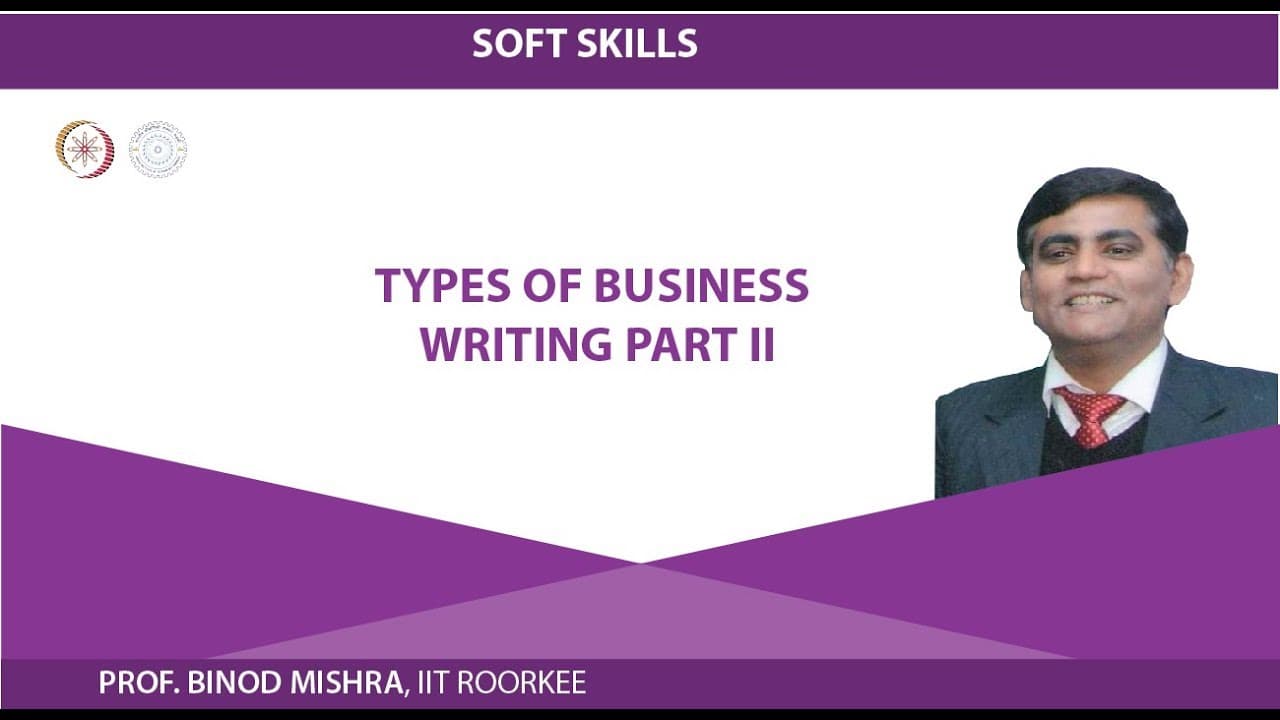
Types of Business Writing - Part II
TL;DR
Learn about notices, agendas, and minutes in business meetings.
Transcript
Read and summarize the transcript of this video on Glasp Reader (beta).
Key Insights
- Notices are essential pre-information documents that inform participants about the meeting details such as time, venue, and agenda. They help ensure that everyone involved is prepared.
- Agendas serve as a structured list of topics to be discussed during a meeting, allowing participants to prepare in advance and ensuring the meeting stays focused and organized.
- Minutes are official records of what transpired during a meeting, including decisions made and actions to be taken. They serve as a reference for future meetings and ensure accountability.
- Effective meeting documents require clear, concise, and specific language. They should be easily understood by all participants and written in a formal tone.
- The role of the secretary is crucial in drafting notices, agendas, and minutes. They must ensure accuracy and clarity in documenting the meeting proceedings.
- Emails, although a fast mode of communication, should be used with care in professional settings to maintain formality and avoid miscommunication.
- Research papers and technical documents in business require careful planning, topic selection, and adherence to specific formats to contribute effectively to the field.
- A well-written research paper should include a clear statement of purpose, a review of relevant literature, and a structured outline to guide the research process.
Install to Summarize YouTube Videos and Get Transcripts
Explore YouTube Video Summarizer or Get YouTube Transcript Extractor
Questions & Answers
Q: What is the purpose of a notice in business meetings?
A notice serves as a pre-information document that informs participants about the details of an upcoming meeting, including the time, venue, and agenda. It ensures that all participants are aware and prepared for the meeting, facilitating effective communication and organization.
Q: Why is an agenda important for a meeting?
An agenda is crucial as it provides a structured list of topics to be discussed during a meeting. This allows participants to prepare in advance and ensures that the meeting stays focused and organized, preventing deviations from the intended discussion points.
Q: How are minutes used in a business setting?
Minutes are official records of what transpired during a meeting, documenting decisions made and actions to be taken. They serve as a reference for future meetings, ensuring accountability and providing a historical record of discussions and resolutions.
Q: What role does the secretary play in meetings?
The secretary plays a crucial role in managing meeting communications by drafting notices, agendas, and minutes. They ensure accuracy and clarity in documenting meeting proceedings, facilitating effective communication and organization within the business.
Q: How should emails be handled in a professional setting?
Emails should be used with care in professional settings, maintaining formality and avoiding miscommunication. Proper salutation, appropriate language, and clear, concise content are essential to ensure the email is effective and professional.
Q: What is the significance of research papers in business?
Research papers are significant in business as they contribute to the field's knowledge and innovation. They require careful planning, topic selection, and adherence to specific formats, providing insights and solutions to business problems and enhancing organizational reputation.
Q: What should be included in a well-written research paper?
A well-written research paper should include a clear statement of purpose, a review of relevant literature, and a structured outline. This helps guide the research process, ensuring the paper is focused, relevant, and contributes effectively to the field.
Q: How can meeting documents improve business communication?
Meeting documents such as notices, agendas, and minutes improve business communication by providing clear, concise, and structured information. They ensure participants are prepared, discussions are focused, and decisions are documented, facilitating effective communication and organization in business operations.
Summary & Key Takeaways
-
This lecture delves into the intricacies of business meeting documents, focusing on the importance of notices, agendas, and minutes. It highlights the role of these documents in ensuring effective communication and organization within professional settings.
-
The speaker emphasizes the need for clear and concise language in drafting meeting documents. They outline the responsibilities of a secretary in managing meeting communications and the significance of each document type in business operations.
-
Additionally, the lecture touches on the importance of research papers and technical documents in business, offering insights into the planning and execution of such documents to enhance organizational knowledge and innovation.
Read in Other Languages (beta)
Share This Summary 📚
Summarize YouTube Videos and Get Video Transcripts with 1-Click
Try YouTube Summary with ChatGPT & Claude or YouTube Transcript Generator
Explore More Summaries from Soft Skills 📚





Summarize YouTube Videos and Get Video Transcripts with 1-Click
Try YouTube Summary with ChatGPT & Claude or YouTube Transcript Generator