Luke Syson: How I learned to stop worrying and love "useless" art
TL;DR
The speaker reflects on their initial distaste for a particular object and explores the power of art and imagination.
Transcript
Two years ago, I have to say there was no problem. Two years ago, I knew exactly what an icon looked like. It looks like this. Everybody's icon, but also the default position of a curator of Italian Renaissance paintings, which I was then. And in a way, this is also another default selection. Leonardo da Vinci's exquisitely soulful image of the "... Read More
Key Insights
- 🖼️ The speaker reflects on their previous understanding of what an "icon" looked like, shaped by their experience as a curator of Italian Renaissance paintings and organizing a Leonardo da Vinci exhibition. They emphasize Leonardo's ability to capture the human soul and convey a spiritual realm through art.
- 💼 The speaker discusses their decision to move from organizing exhibitions to taking over the department of European sculpture and decorative arts at the Metropolitan Museum of Art (the Met). Despite initial doubts and feelings of being lost, they eventually come to appreciate the design and craftsmanship of certain objects in their new department.
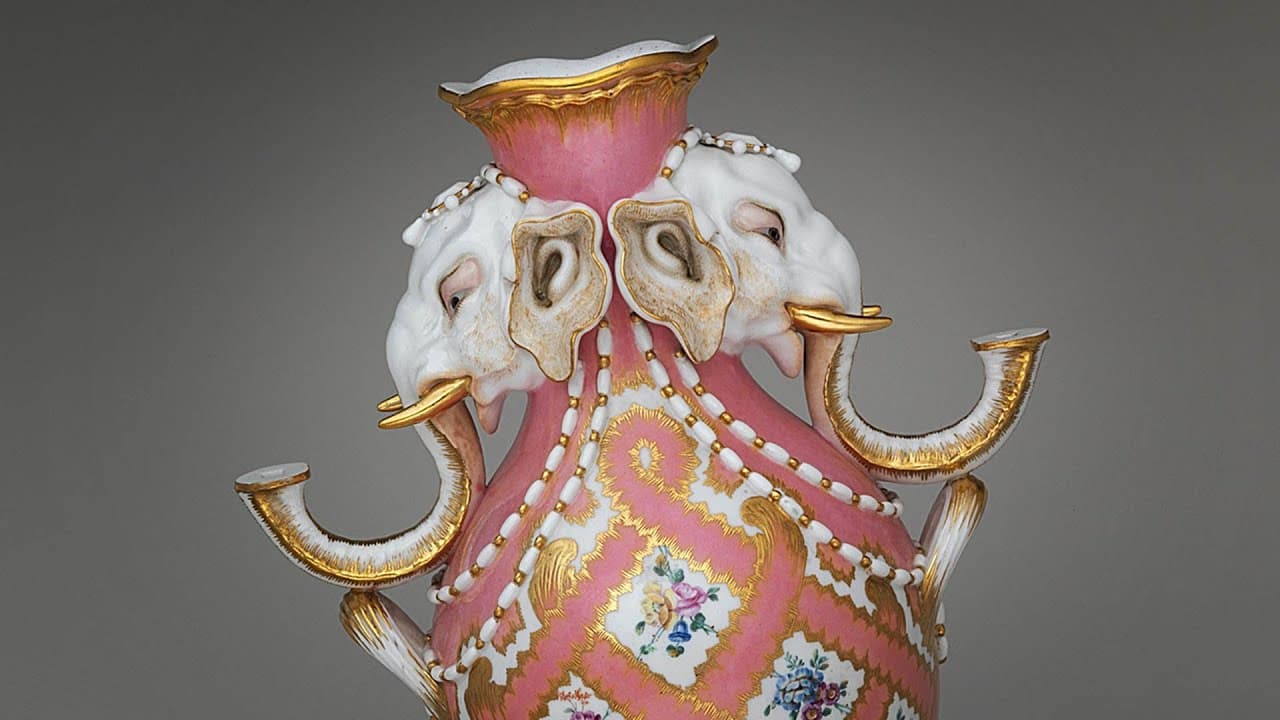
- 🌸 The speaker describes their initial aversion to a specific object in the museum, a pink Sèvres vase, due to its excessive use of gold, artificial pink color, and design elements that reminded them of children's birthday parties and princess motifs. They also connect their dislike of the object to their perception of the French aristocracy's frivolity and uselessness in the 18th century.
- 💡 The speaker undergoes a shift in perspective and begins to see the pink Sèvres vase as a supreme piece of design, appreciating its balance, sculptural qualities, and the painstaking process that went into its creation. They start to view the object as a portal to escapism, similar to the 18th-century operas set in the Orient or opium-induced visions.
- 🔴 The speaker criticizes the modernist notion that an object's form and function should align and that extraneous ornamentation is unnecessary. They argue that this narrow perspective stifles imagination and leads to a separation between fantasy and reality, calling for a reintroduction of imagination into daily life.
- 🏙️ The speaker notes the emergence of fantastical architecture, like the buildings in London, as a way to bring imagination back into daily life. However, they point out that there is still a resistance to embracing imaginative journeys in the mundane aspects of daily life.
- 💒 The speaker shares their personal connection to an object they discovered online, an 19th-century Staffordshire figure of the actor Edmund Kean playing Richard III. They are drawn to its layered history and find it represents their alter ego. They attribute their ability to embrace this object to their previous experience with the pink Sèvres vase, highlighting the importance of allowing objects to flourish in one's imaginative life.
- ✨ The speaker concludes by encouraging others to visit museums, explore objects, and incorporate them into their own imaginative lives, suggesting that these objects can become a part of their daily journeys. They express hope that others will find the same joy and connection they have experienced through objects.
Install to Summarize YouTube Videos and Get Transcripts
Explore YouTube Video Summarizer or Get YouTube Transcript Extractor
Questions & Answers
Q: What is the speaker's initial reaction to the pink Sèvres vase?
The speaker's initial reaction to the pink Sèvres vase is one of repulsion and a feeling of it being utterly and completely alien. They find it silly and artificial, with too much gold and an extraordinarily artificial shade of pink.
Q: What do the speaker's initial thoughts on the vase reveal about their preconceived notions and biases?
The speaker's initial thoughts on the vase reveal their preconceived notions and biases about aristocracy and the extravagance of the French aristocracy in the 18th century. They see the vase as symbolizing the uselessness and decadence of the aristocracy, and had a belief that such objects were worthy of disdain.
Q: How does the speaker's perception of the vase change over time?
As the speaker continues to encounter the pink Sèvres vase, their perception begins to change. They start to see it as a supreme piece of design, appreciating its lightness, balance, and sculptural elements. They also come to understand its purpose as a portal to somewhere else, evoking fantasies and escapism. Their perception evolves from disdain to an appreciation for its imaginative qualities.
Q: What does the speaker suggest about the role of imagination in contemporary society?
The speaker suggests that contemporary society has succumbed to a sort of "tyranny of the triumph of modernism," where form and function are valued over extraneous ornamentation and imagination. They argue that screens and technology have replaced the constant of imagination that objects like the pink Sèvres vase once represented. The speaker believes it is time to reintroduce imagination into daily life.
Q: How does the speaker's personal attachment to a Staffordshire figure relate to their encounter with the pink Sèvres vase?
The speaker's personal attachment to a Staffordshire figure, which they describe as their alter ego, is a result of their encounter with the pink Sèvres vase. The speaker's initial disdain for the vase allowed them to appreciate the layered quality and imaginative potential of the Staffordshire figure. It represents a journey and brings joy to their daily life, connecting them to the imaginative qualities of objects.
Summary & Key Takeaways
-
The speaker initially disliked a set of porcelain vases due to their excessive use of gold, vibrant pink color, and excessive ornamentation.
-
Over time, the speaker began to appreciate the design and craftsmanship of the vases, realizing they were pieces of escapism and portals to the imagination.
-
The speaker argues that society's emphasis on form over function has led to a lack of imagination in daily life, and encourages the audience to allow objects to flourish in their imaginative lives.
Read in Other Languages (beta)
Share This Summary 📚
Summarize YouTube Videos and Get Video Transcripts with 1-Click
Try YouTube Summary with ChatGPT & Claude or YouTube Transcript Generator
Explore More Summaries from TED 📚






Summarize YouTube Videos and Get Video Transcripts with 1-Click
Try YouTube Summary with ChatGPT & Claude or YouTube Transcript Generator