The science of falling in love - Shannon Odell
TL;DR
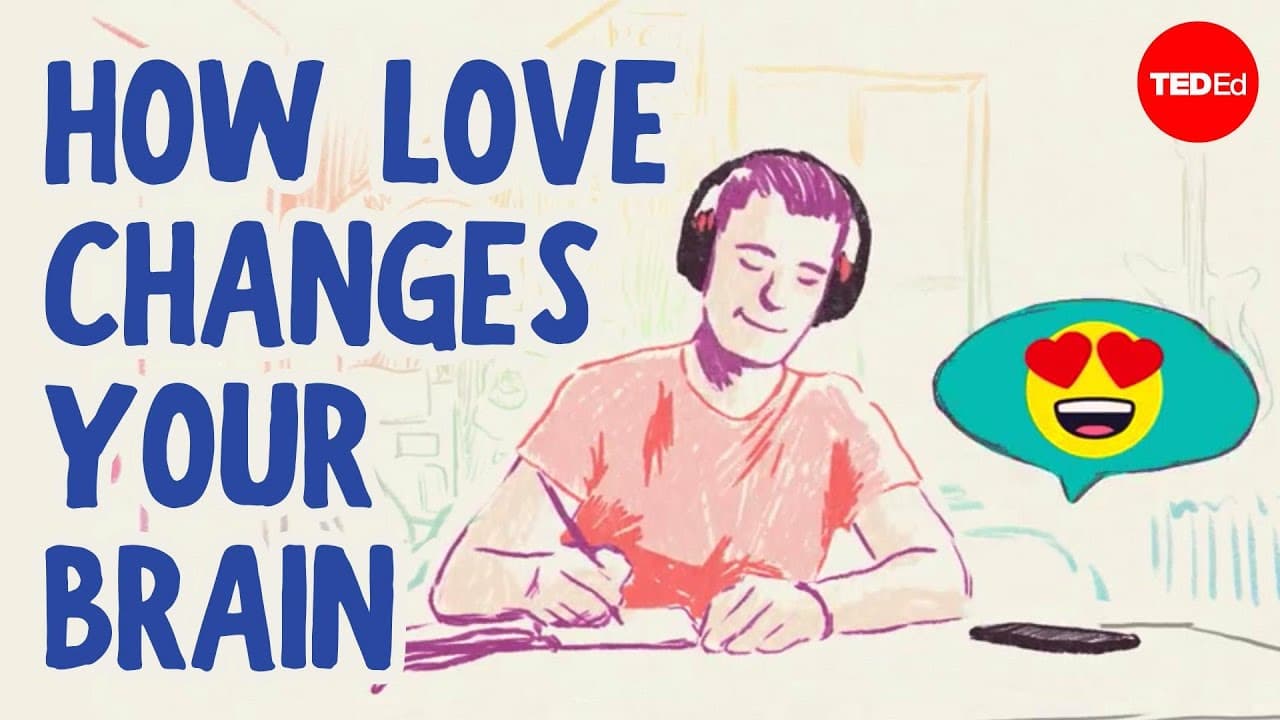
Love is guided by neurochemicals and brain systems, from infatuation to attachment, and heartbreak activates pain processing in the brain.
Transcript
Love is often described as heartwarming, heart-wrenching and even heartbreaking. So, what does the brain have to do with it? Everything! The journey from first spark to last tear is guided by a symphony of neurochemicals and brain systems. As you begin to fall for someone, you may find yourself excessively daydreaming about them and wanting to spen... Read More
Key Insights
- 🥰 Love is a complex process guided by neurochemicals and brain systems, including the reward-processing VTA and the hormone oxytocin.
- 🖤 Infatuation, the first stage, is characterized by excessive daydreaming and a lack of critical judgment.
- 🌗 Attachment, the more long-lasting stage, is facilitated by hormones like oxytocin and vasopressin, promoting relaxation and commitment.
- 🧠 Heartbreak activates pain processing in the brain, causing distress and longing, but engaging in pleasurable activities can help alleviate this response.
- 🎮 The brain's higher cortical regions, responsible for reasoning and impulse control, play a role in regulating distress and craving during heartbreak.
Install to Summarize YouTube Videos and Get Transcripts
Explore YouTube Video Summarizer or Get YouTube Transcript Extractor
Questions & Answers
Q: What is the first stage of love called and what happens in the brain during this stage?
The first stage is called infatuation or passionate love. During this stage, there is increased activation in the brain's reward center, the ventral tegmental area (VTA), which releases dopamine and drives feelings of euphoria and motivation towards the new partner.
Q: How do oxytocin and vasopressin contribute to attachment in a relationship?
Oxytocin and vasopressin are pair-bonding hormones that promote trust, attachment, and relaxation. They help strengthen the connection between partners and are also involved in other forms of love, such as familial and friendship bonds.
Q: Why does heartbreak feel so painful?
Heartbreak activates the insular cortex, a region that processes both physical and social pain. This region is responsible for feelings of rejection and distress, causing the pain associated with heartbreak.
Q: How can activities like exercise and spending time with friends help with heartbreak?
Engaging in activities like exercise, spending time with friends, or listening to favorite songs can help alleviate the stress response and trigger the release of dopamine, which produces feelings of pleasure and helps regulate emotions during heartbreak.
Key Insights:
- Love is a complex process guided by neurochemicals and brain systems, including the reward-processing VTA and the hormone oxytocin.
- Infatuation, the first stage, is characterized by excessive daydreaming and a lack of critical judgment.
- Attachment, the more long-lasting stage, is facilitated by hormones like oxytocin and vasopressin, promoting relaxation and commitment.
- Heartbreak activates pain processing in the brain, causing distress and longing, but engaging in pleasurable activities can help alleviate this response.
- The brain's higher cortical regions, responsible for reasoning and impulse control, play a role in regulating distress and craving during heartbreak.
- The support and time can help heal and learn from heartbreak, allowing individuals to move forward.
Summary & Key Takeaways
-
Love is driven by neurochemicals and brain systems, with infatuation being the first stage characterized by excessive daydreaming and increased activation in the brain's reward center, the ventral tegmental area (VTA).
-
As love progresses, it transitions to attachment, where two hormones, oxytocin and vasopressin, play a role in bonding and feelings of relaxation.
-
Heartbreak activates the insular cortex, causing distress and longing, but engaging in activities like exercise and spending time with friends can help alleviate the pain.
Read in Other Languages (beta)
Share This Summary 📚
Summarize YouTube Videos and Get Video Transcripts with 1-Click
Try YouTube Summary with ChatGPT & Claude or YouTube Transcript Generator
Explore More Summaries from TED-Ed 📚
Summarize YouTube Videos and Get Video Transcripts with 1-Click
Try YouTube Summary with ChatGPT & Claude or YouTube Transcript Generator