How Does Neuroscience Explain Human Morality?
TL;DR
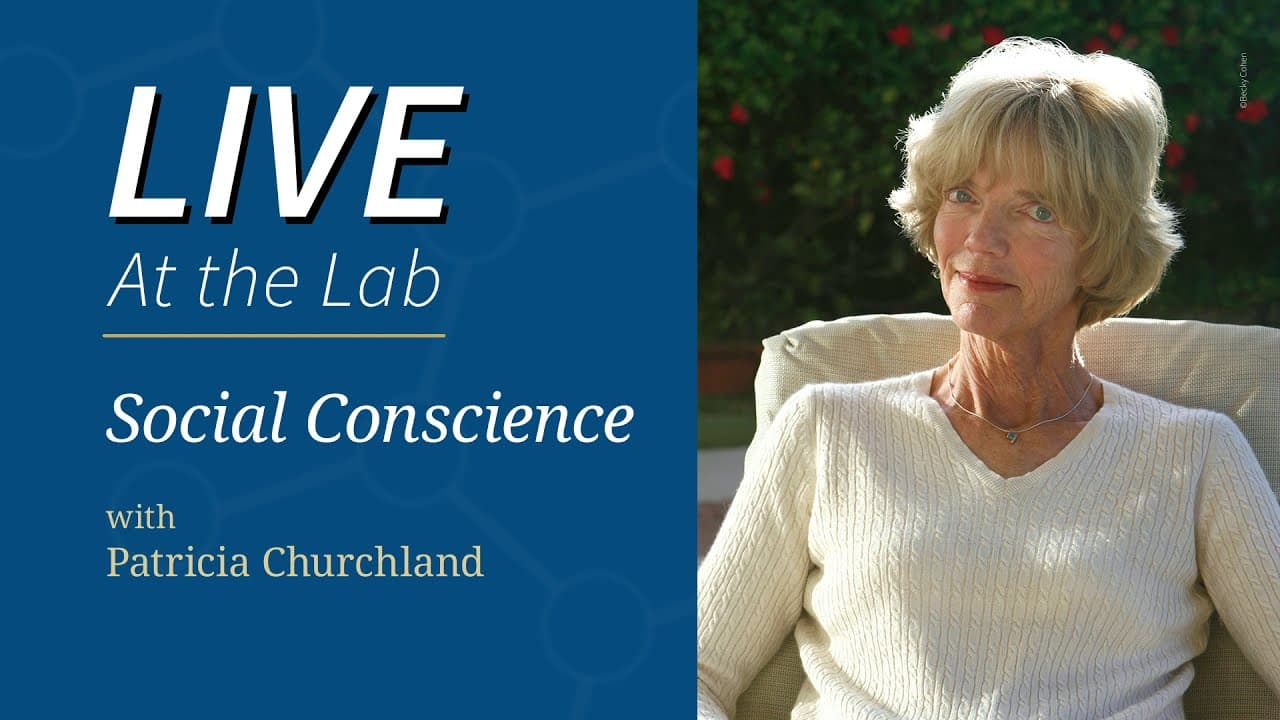
Human morality may stem from brain structures and chemicals like oxytocin, which promote social bonding and empathy. Research shows that moral decisions are intertwined with brain functions rather than standalone processes. This understanding challenges traditional philosophical views and highlights the brain's role in shaping social norms and political preferences.
Transcript
Hi, I’m Bruce Stillman, president of Cold Spring Harbor Laboratory, and I want to welcome you to the Lorraine Grace Lectureship this evening. This lectureship was initiated by the Oliver and Lorraine Grace in honor of Lorraine. This is the same Grace as Grace Auditorium at Cold Spring Harbor Laboratory. And the family has been long time suppo... Read More
Key Insights
- Human morality is influenced by brain structures and chemicals such as oxytocin, which enhance social bonding and empathy.
- Moral decision-making is not isolated but integrated with other brain functions, challenging traditional philosophical views.
- Oxytocin plays a crucial role in mother-infant bonding and may extend to social connections like friendships and partnerships.
- Neuroscience reveals that social norms and moral judgments are complex and not governed by single rules or modules.
- The evolution of warm-blooded animals led to the development of the cortex, enhancing learning and social behavior.
- Oxytocin and vasopressin receptors in the brain are linked to social bonding, with variations affecting species' social structures.
- Political preferences may be influenced by brain responses to stimuli, suggesting a biological basis for ideological leanings.
- Social interactions and physical exercise can increase oxytocin levels, which are linked to reduced stress and enhanced well-being.
Install to Summarize YouTube Videos and Get Transcripts
Explore YouTube Video Summarizer or Get YouTube Transcript Extractor
Questions & Answers
Q: How does oxytocin influence human social behavior?
Oxytocin plays a significant role in human social behavior by enhancing bonding and empathy. It is crucial for mother-infant bonding and extends to other social relationships like friendships and partnerships. Oxytocin affects brain regions related to emotion and reward, promoting trust and reducing stress, which facilitates social interactions.
Q: What is the connection between neuroscience and moral decision-making?
Neuroscience shows that moral decision-making is not an isolated process but is integrated with other brain functions. Brain structures and chemicals, such as oxytocin, influence empathy and social bonding, which are essential for moral judgments. This challenges traditional philosophical views that separate morality from brain processes.
Q: How does the brain's reward system relate to social bonding?
The brain's reward system, involving regions like the nucleus accumbens, is activated during social bonding, releasing chemicals that make interactions pleasurable. Oxytocin release during bonding reduces stress and enhances the feeling of reward, reinforcing social connections and promoting cooperative behavior among individuals.
Q: Can political preferences be linked to brain activity?
Yes, research suggests that political preferences may be linked to brain activity, particularly responses to emotional stimuli. Studies have shown that individuals with different political ideologies exhibit distinct brain reactions to images perceived as threatening or disgusting, indicating a biological basis for ideological leanings.
Q: Why is the evolution of the cortex important for social behavior?
The evolution of the cortex in warm-blooded animals enhanced learning and adaptability, which are crucial for complex social behaviors. The cortex allows for the development of social norms and problem-solving skills, enabling mammals to form intricate social structures and adapt to changing environments, fostering sociality and cooperation.
Q: What role do oxytocin receptors play in social bonding?
Oxytocin receptors in the brain are critical for social bonding, with their density and distribution affecting social behavior. Species with high receptor density in reward-related brain areas, like the nucleus accumbens, tend to exhibit stronger pair-bonding and social connections, highlighting the importance of oxytocin in social structures.
Q: How do social interactions affect oxytocin levels?
Social interactions can increase oxytocin levels, which are associated with reduced stress and enhanced well-being. Physical touch, social bonding, and cooperative activities stimulate oxytocin release, promoting trust and empathy among individuals. This biochemical response underlies the positive feelings associated with social connections.
Q: What are the implications of neuroscience for understanding morality?
Neuroscience provides insights into the biological basis of morality, showing that moral judgments are intertwined with brain functions. Understanding the role of chemicals like oxytocin in social bonding challenges traditional philosophical views and highlights the complexity of moral norms, offering a new perspective on ethical behavior and social values.
Summary & Key Takeaways
-
Human morality is deeply connected to brain functions, with chemicals like oxytocin playing a key role in social bonding and empathy. This challenges traditional views that separate moral decision-making from other brain processes. Understanding how the brain influences morality can reshape societal norms and political ideologies.
-
The evolution of warm-blooded animals and the development of the cortex have enhanced learning and social behaviors in mammals. Oxytocin, crucial for mother-infant bonding, also extends to broader social connections, influencing friendships and partnerships. This biological basis for sociality highlights the complexity of moral norms.
-
Research suggests that political preferences may have a biological basis, with brain responses to stimuli influencing ideological leanings. Social interactions and physical exercise can boost oxytocin levels, reducing stress and promoting well-being. These insights underscore the intricate relationship between brain functions and human behavior.
Read in Other Languages (beta)
Share This Summary 📚
Summarize YouTube Videos and Get Video Transcripts with 1-Click
Try YouTube Summary with ChatGPT & Claude or YouTube Transcript Generator
Explore More Summaries from Cold Spring Harbor Laboratory 📚



Summarize YouTube Videos and Get Video Transcripts with 1-Click
Try YouTube Summary with ChatGPT & Claude or YouTube Transcript Generator