How Do We Pump Sewage?
TL;DR
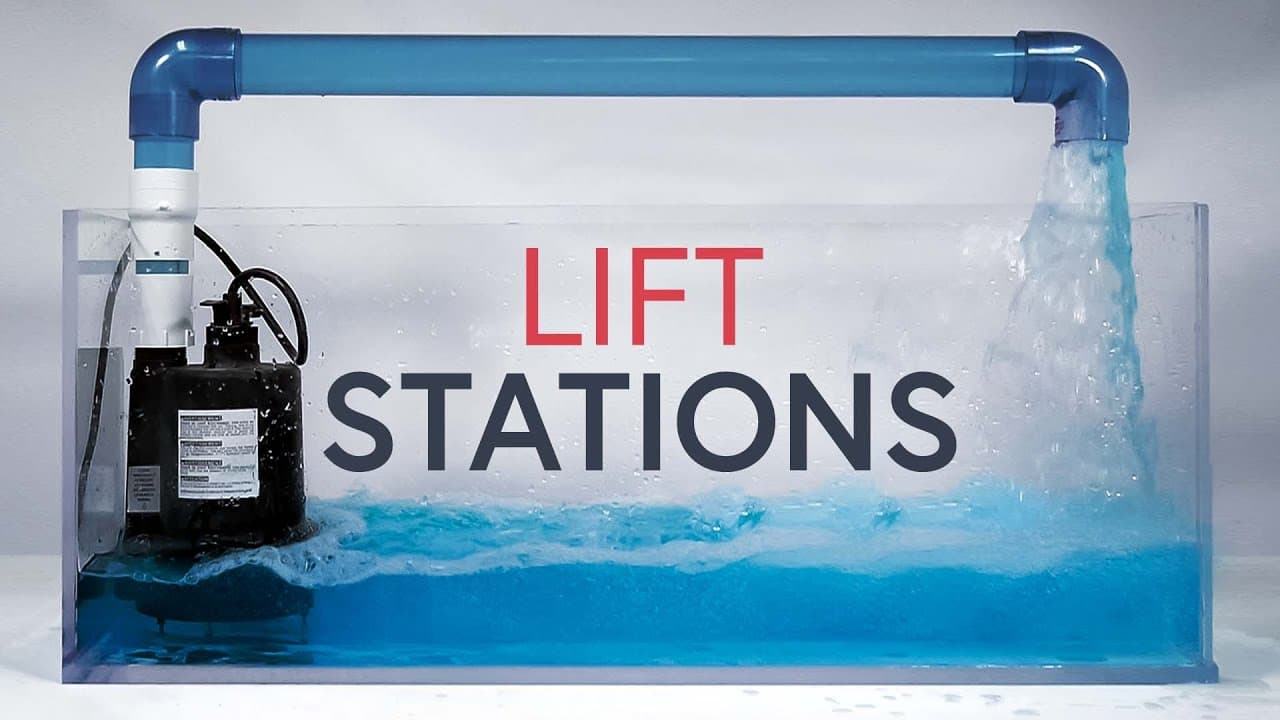
Sewage lift stations solve the challenge of transporting wastewater uphill.
Transcript
This is the Crossness Pumping Station in London. Its ornate architecture and elaborate ironwork belie its original, somewhat disgusting purpose: to lift raw sewage from London’s southern outfall, the lowest point in one of London’s biggest sewers, up to the ground surface where it could be discharged directly into the Thames River. Of course, w... Read More
Key Insights
- Sewage lift stations are crucial for transporting wastewater from deep underground back to the surface, especially when gravity flow is no longer feasible.
- Lift stations use pumps to move sewage through force mains, allowing it to continue its journey to treatment plants using gravity once again.
- The construction of deep trenches for sewers can be expensive and dangerous, making lift stations a practical alternative.
- Clogging is a significant issue in lift stations, often caused by non-biodegradable items like 'flushable' wipes and grease, which can form large obstructions.
- Screens and grinders are used in lift stations to prevent clogs, but each comes with its own maintenance challenges and costs.
- Lift stations require redundancy and backup systems, such as multiple pumps and generators, to ensure continuous operation even during equipment failures or power outages.
- Air bubbles in force mains can restrict flow, necessitating automatic air release valves to maintain efficiency.
- Sewage lift stations are an essential part of urban infrastructure, ensuring public health by managing wastewater effectively.
Install to Summarize YouTube Videos and Get Transcripts
Explore YouTube Video Summarizer or Get YouTube Transcript Extractor
Questions & Answers
Q: What is the main purpose of a sewage lift station?
A sewage lift station's primary purpose is to transport wastewater from deep underground back to the surface, where gravity flow is no longer feasible. This is crucial in urban areas where deep trenches for sewers are expensive and dangerous to construct. The lift station uses pumps to elevate the sewage, allowing it to continue its journey to treatment facilities.
Q: Why is clogging a significant issue in sewage lift stations?
Clogging is a significant issue in sewage lift stations because the wastewater stream often contains non-biodegradable materials like 'flushable' wipes, grease, and other debris. These materials can form large obstructions, known as fatbergs, which can block pumps and pipes, leading to maintenance challenges and potential sewage overflows.
Q: How do screens and grinders help in managing clogs in lift stations?
Screens and grinders are employed in lift stations to manage clogs by preventing large debris from reaching the pumps. Screens filter out solid waste, while grinders shred solids into smaller pieces. However, screens can also clog and require maintenance. Grinders, while effective, are expensive and require regular upkeep to ensure reliable operation.
Q: What are the backup systems used in lift stations to ensure continuous operation?
Lift stations are equipped with multiple pumps and backup generators to ensure continuous operation. Multiple pumps provide redundancy, ensuring that if one fails, others can take over. Backup generators are crucial for maintaining operation during power outages, preventing sewage overflow and ensuring the system continues to function effectively.
Q: How do air bubbles affect the operation of force mains in lift stations?
Air bubbles in force mains can restrict the flow of sewage, reducing the efficiency of the system. Automatic air release valves are used to purge these bubbles, maintaining optimal flow. However, venting sewer gas into populated areas is a concern, requiring careful management to prevent odor issues and ensure public acceptance.
Q: Why is it important to manage wastewater effectively in urban areas?
Effective wastewater management in urban areas is crucial for protecting public health and the environment. Sewage contains biohazards that can contaminate water sources and spread disease. Properly managed systems prevent overflow and ensure that wastewater is treated before being released into natural water bodies, maintaining ecological balance and public safety.
Q: What role do lift stations play in the overall sewage treatment process?
Lift stations play a critical role in the sewage treatment process by enabling the transport of wastewater from low-lying areas to higher elevations where gravity can take over. This is essential for directing sewage to treatment plants where it undergoes purification before being safely discharged, ensuring the system functions efficiently and sustainably.
Q: What challenges do engineers face when designing lift stations?
Engineers face several challenges when designing lift stations, including managing clogging from non-biodegradable materials, ensuring reliable operation with backup systems, and minimizing maintenance costs. They must also consider the environmental impact of venting sewer gases and the logistical challenges of constructing and maintaining these stations in urban settings.
Summary & Key Takeaways
-
The video explains the function and importance of sewage lift stations, which help transport wastewater from deep underground back to the surface for treatment. These stations use pumps to move sewage through force mains, allowing gravity to take over once the sewage is uphill again.
-
Clogging is a major challenge for lift stations, often caused by non-biodegradable materials like wipes and grease. Solutions include using screens and grinders, though each has its own maintenance requirements and costs. Redundancy and backup systems are essential for continuous operation.
-
Lift stations are a critical component of urban infrastructure, providing a practical solution to the limitations of gravity-based sewage systems. They ensure efficient wastewater management, protecting public health and the environment.
Read in Other Languages (beta)
Share This Summary 📚
Summarize YouTube Videos and Get Video Transcripts with 1-Click
Try YouTube Summary with ChatGPT & Claude or YouTube Transcript Generator
Explore More Summaries from Practical Engineering 📚


Summarize YouTube Videos and Get Video Transcripts with 1-Click
Try YouTube Summary with ChatGPT & Claude or YouTube Transcript Generator