How to Optimize Google Search Rankings
TL;DR
To optimize your Google search rankings, focus on creating high-quality, relevant content and ensure technical best practices are followed. Address issues like duplicate content and ensure a clean migration when changing domains. Regularly monitor your site's performance using tools like Google Search Console to identify and fix errors.
Transcript
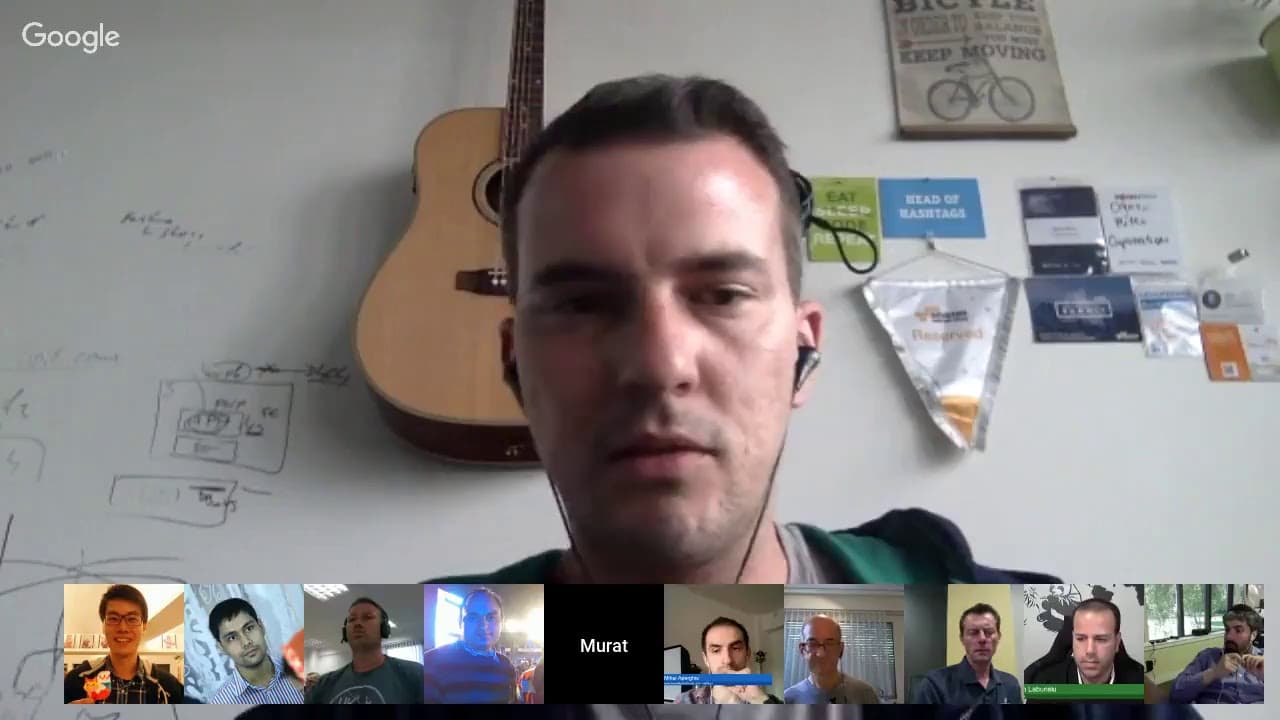
JOHN MUELLER: All right. Welcome everyone to today's Google Webmaster Central Office Hours Hangout. My name is John Mueller. I am a webmaster trends analyst here at Google in Switzerland. Part of what we do are these Office Hours Hangouts, together with webmasters and publishers like the ones here in they Hangout. Some questions were submitted alre... Read More
Key Insights
- Google uses over 200 signals for ranking, including content quality, technical aspects, and backlinks.
- Featured snippets can differ between desktop and mobile, and may show AMP pages.
- Google does not use Google Analytics data for search rankings.
- A clean domain migration involves redirecting old URLs to new ones to preserve ranking signals.
- Manual spam penalties require fixing issues and re-inclusion requests for recovery.
- Technical best practices help Google understand site content, but relevance is key for ranking.
- App indexing should show equivalent content to the web version; Firebase is the support platform for app indexing.
- Google's algorithms may fluctuate rankings due to various factors, including experiments and updates.
Install to Summarize YouTube Videos and Get Transcripts
Explore YouTube Video Summarizer or Get YouTube Transcript Extractor
Questions & Answers
Q: How does Google decide which pages to show in featured snippets?
Google's featured snippets are an organic search feature that can display different pages on desktop and mobile. The choice of pages is based on relevance and usefulness to the query. AMP pages may be shown if deemed appropriate. This feature is subject to experimentation and can vary based on user interactions and long-term metrics.
Q: Why might a homepage not rank first for its brand name?
A homepage may not rank first for its brand name if the brand name consists of common words or if the domain migration was not clean. Google may also show aggregators that use the brand name. Ensuring all old domain content redirects to the new domain and clarifying brand signals can help improve rankings.
Q: What happens after a manual spam penalty is lifted?
Once a manual spam penalty is lifted, the site needs to be reprocessed by Google. If the penalty was for on-page issues and those are fixed, rankings can return to normal. However, if rankings were previously boosted by spammy links, they will not return to the same level, as those links are no longer considered.
Q: Can two sites with similar content but different markets rank well?
If two sites owned by the same organization serve different markets but use similar content, they can still rank well if they provide unique value to their respective audiences. However, if Google perceives them as duplicates with no added value, they may be folded together in rankings. It's often beneficial to consolidate content to strengthen one site.
Q: What should be done when aggregators rank above original content?
When aggregators rank above original content, it may indicate that the aggregator is perceived as higher quality. Improving the overall quality of your site and ensuring it is seen as the authoritative source can help. Google's algorithms aim to show the most relevant and useful results, which sometimes means showing aggregators if they add significant value.
Q: How does Google handle app indexing and content equivalence?
For app indexing, Google expects the app content to be equivalent to the web version. This ensures users receive consistent information across platforms. Google's algorithms check for equivalence, and discrepancies may impact indexing. Firebase is the platform for app indexing support, where developers can submit questions and receive guidance.
Q: Why might a site experience large fluctuations in keyword rankings?
Large fluctuations in keyword rankings can be due to Google's ongoing experiments and updates to its algorithms. These changes are part of Google's efforts to improve search quality and relevance. Such fluctuations are common and may not always reflect the actual user experience, as scraping tools may not capture personalized or localized results accurately.
Q: How can a site improve its ranking after a domain migration?
After a domain migration, ensure all old URLs redirect to the new domain to preserve ranking signals. Monitor the migration's impact using tools like Google Search Console. It's important to implement a comprehensive plan and schedule the migration during a low-traffic period to minimize disruptions. It may take weeks or months for rankings to stabilize post-migration.
Summary & Key Takeaways
-
Google's search ranking is influenced by multiple factors, including content quality, technical SEO, and backlinks. Ensuring high-quality, relevant content is crucial for better rankings. Technical best practices help Google understand your site's content, but they alone won't guarantee top rankings.
-
Domain migrations should be handled carefully with proper redirects to maintain ranking signals. Manual spam penalties require fixing the issues and submitting reconsideration requests for recovery. Regular monitoring using tools like Google Search Console is essential to identify and fix errors.
-
App indexing requires that the app content is equivalent to the web version. Google's algorithms are complex and constantly evolving, causing fluctuations in rankings. Understanding these factors and adapting accordingly is key to optimizing search performance.
Read in Other Languages (beta)
Share This Summary 📚
Summarize YouTube Videos and Get Video Transcripts with 1-Click
Try YouTube Summary with ChatGPT & Claude or YouTube Transcript Generator
Explore More Summaries from Google Search Central 📚




Summarize YouTube Videos and Get Video Transcripts with 1-Click
Try YouTube Summary with ChatGPT & Claude or YouTube Transcript Generator