English Google Webmaster Central office-hours hangout
TL;DR
John Mueller discusses search engine indexing and mobile-first strategies.
Transcript
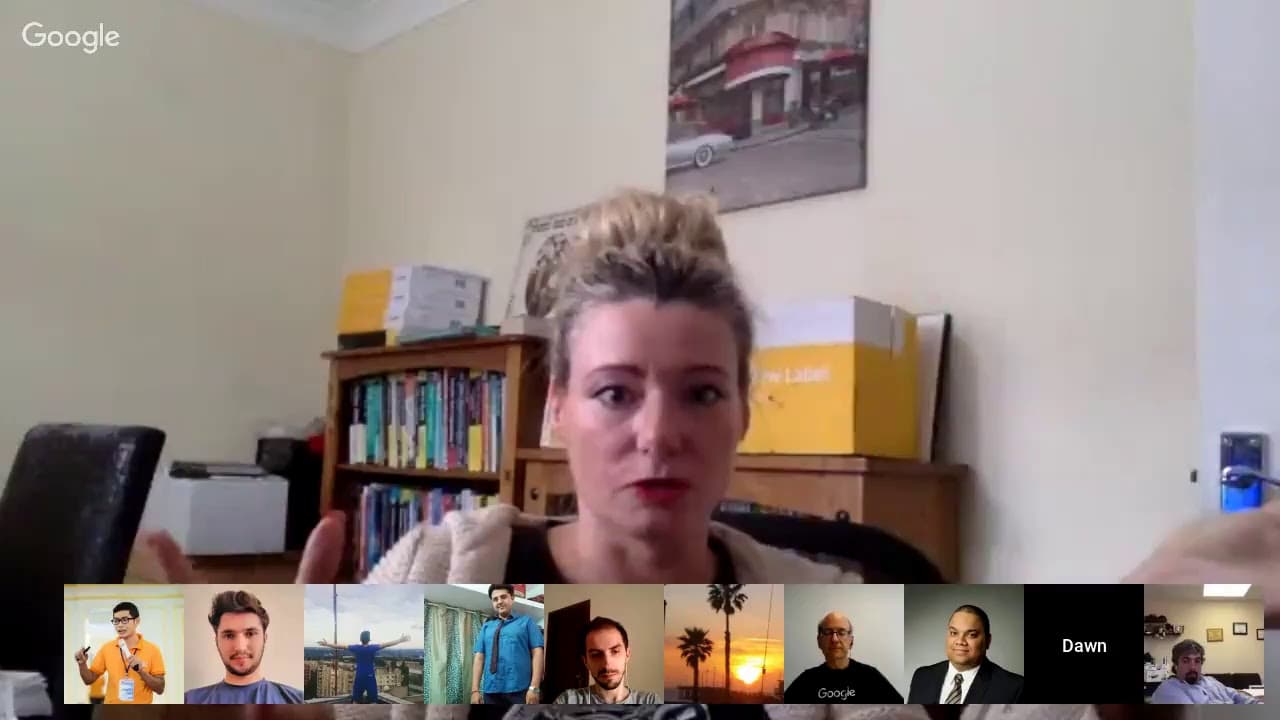
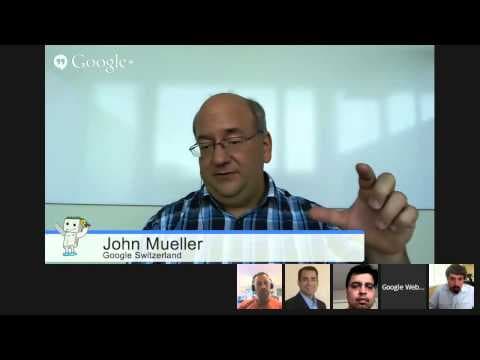
all right welcome everyone to today's Google Webmaster central office hours hangout my name is John Mueller I am a webmaster trends analyst here at Google in Switzerland and part of what we do are these Webmaster office hours hangouts where webmasters se owes anyone interested in in web search related things can jump in and ask questions as always ... Read More
Key Insights
- John Mueller explains the difference between knowledge graph cards and featured snippets, highlighting that some search results may not fit neatly into either category.
- Google is constantly working on search result quality, and feedback from users, especially on non-English results, is valuable for improvement.
- Mobile-first indexing requires content parity between mobile and desktop versions; missing content on mobile can affect indexing.
- User experience on mobile is crucial; even if content is equivalent, poor mobile usability can affect user engagement.
- JavaScript and CSS can impact how Google indexes content; content hidden behind JavaScript may not be indexed promptly.
- Backlinks are not indexed directly; site owners should focus on quality content and natural link building.
- Soft 404 errors in Search Console indicate non-indexable pages; they are not harmful but should be monitored.
- Negative SEO concerns are often overblown; Google's algorithms are adept at identifying and ignoring bad backlinks.
Install to Summarize YouTube Videos and Get Transcripts
Explore YouTube Video Summarizer or Get YouTube Transcript Extractor
Questions & Answers
Q: What is the difference between a knowledge graph card and a featured snippet?
A knowledge graph card typically appears on the side of search results and provides information about a specific entity, while a featured snippet is a highlighted answer that appears at the top of search results. However, some search results may not fit neatly into either category, causing confusion.
Q: How does Google handle feedback about search result quality?
Google values feedback from users, especially regarding non-English results. While they receive individual pieces of feedback, they look for common patterns or significant issues to address. Users are encouraged to provide specific examples to help Google improve search result quality.
Q: What is the importance of content parity in mobile-first indexing?
Content parity between mobile and desktop versions is crucial for mobile-first indexing. If the mobile version lacks significant content, images, or structured data present on the desktop version, Google may hesitate to switch the site to mobile-first indexing, affecting its search visibility.
Q: How does user experience on mobile affect SEO?
Even if content is equivalent across mobile and desktop, poor mobile usability can negatively impact user engagement. While Google may still index the content, a messy layout or difficult navigation can deter users, affecting conversions and overall site performance.
Q: How does Google handle JavaScript and CSS in indexing?
Google uses a Chrome version to render pages, but there may be a delay between initial HTML indexing and JavaScript processing. Content hidden behind JavaScript may not be indexed promptly, and CSS can affect how content is displayed, impacting user experience and indexing.
Q: Are backlinks indexed by Google?
Backlinks themselves are not directly indexed. Google focuses on indexing the content of pages. Site owners should prioritize creating quality content and natural link-building strategies rather than relying on manually submitting backlinks for indexing.
Q: What are soft 404 errors in Search Console?
Soft 404 errors indicate pages that Google considers non-indexable, often due to lack of content or relevance. While they are not harmful, they should be monitored to ensure important pages are not mistakenly flagged, and to maintain a healthy site structure.
Q: How does Google address negative SEO through bad backlinks?
Google's algorithms are designed to identify and ignore bad backlinks, minimizing the impact of negative SEO. While disavowing links is an option, most manipulative link-building practices are already recognized and disregarded by Google's systems.
Summary & Key Takeaways
-
John Mueller from Google discusses various aspects of search engine optimization, including the differences between knowledge graph cards and featured snippets. He emphasizes the importance of understanding Google's indexing processes.
-
The hangout covers the significance of mobile-first indexing, stressing the need for content parity between mobile and desktop versions to ensure proper indexing and ranking in search results.
-
Mueller addresses concerns about negative SEO and backlinks, reassuring that Google's algorithms are designed to recognize and ignore manipulative link-building practices. He also touches upon the importance of user experience on mobile devices.
Read in Other Languages (beta)
Share This Summary 📚
Summarize YouTube Videos and Get Video Transcripts with 1-Click
Try YouTube Summary with ChatGPT & Claude or YouTube Transcript Generator
Explore More Summaries from Google Search Central 📚


Summarize YouTube Videos and Get Video Transcripts with 1-Click
Try YouTube Summary with ChatGPT & Claude or YouTube Transcript Generator