What Are the Best Ways to Explore the Skies of Venus?
TL;DR
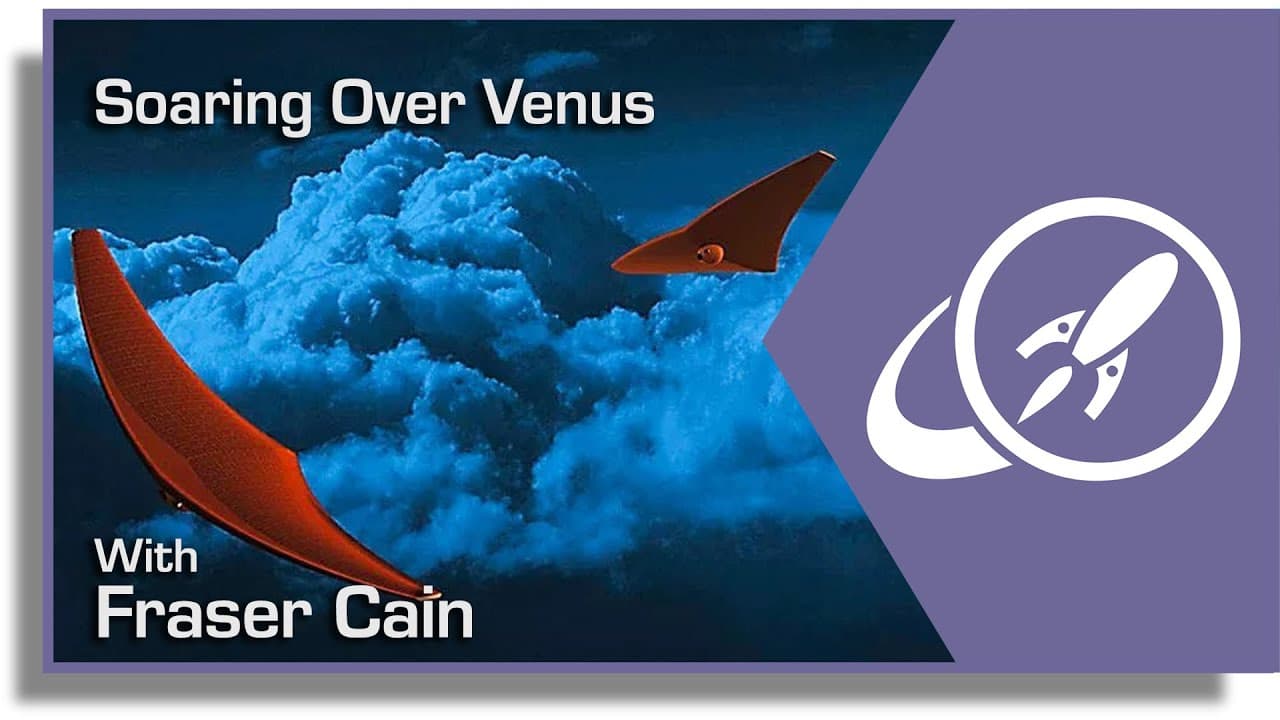
The best ways to explore the skies of Venus include using fixed altitude balloons, variable altitude balloons, solar-powered airplanes, and airships. These technologies aim to study the atmosphere's composition, potential microbial life, and gather data from various atmospheric layers, all while avoiding the extreme conditions found on the planet's surface.
Transcript
the exploration of Venus has been mainly about getting down to the surface of the planet the Soviet Union sacrificed Lander after Lander to discover just how extreme the conditions are down there on the ground but higher up among the clouds the climate on Venus is surprisingly earth-like in temperature and pressure and there have been some fascinat... Read More
Key Insights
- 🧠 The surface of Venus experiences extreme temperatures, pressure, and sulfuric acid rain.
- 😶🌫️ Exploring Venus's cloud layers can provide valuable insights into its atmospheric composition and potential for microbial life.
- 💬 Proposed missions for Venus exploration include various technologies like balloons, airplanes, and airships.
- 💦 The history of water on Venus can be better understood by studying its atmosphere at different altitudes.
- 🎟️ The Soviet Vega missions provided crucial data about Venus's atmosphere, contributing to future exploration concepts.
- ✋ NASA has proposed missions like the High-Altitude Venus Operational Concept (HAVOC) for exploring Venus's skies.
- 💬 Balloons, airplanes, and airships are considered as potential vehicles for Venus exploration.
Install to Summarize YouTube Videos and Get Transcripts
Explore YouTube Video Summarizer or Get YouTube Transcript Extractor
Questions & Answers
Q: What are the extreme conditions on the surface of Venus?
The surface of Venus experiences extreme temperatures of 471 Celsius, high atmospheric pressure, and sulfuric acid rain.
Q: What is the significance of exploring Venus's cloud layers?
Studying Venus's cloud layers can provide insights into its atmospheric composition, weather patterns, and potential for microbial life in higher altitudes.
Q: How have past missions like the Soviet Vega missions contributed to Venus exploration?
Past missions like the Soviet Vega missions provided valuable data on Venus's atmosphere and laid the foundation for future exploration concepts.
Q: What are some proposed technologies for exploring Venus's skies?
Proposed technologies include fixed altitude balloons, variable altitude balloons, airplanes, airships, and probes to study different atmospheric layers in Venus.
Summary & Key Takeaways
-
Venus surface is extreme with high temperatures and pressure, but skies at higher altitudes resemble Earth-like conditions.
-
Venus exploration includes study of cloud layers, potential for lightning, history of water, and possibility of microbial life.
-
Proposed missions for Venus exploration include fixed altitude balloons, variable altitude balloons, airplanes, airships, and probes to study different atmospheric layers.
Read in Other Languages (beta)
Share This Summary 📚
Summarize YouTube Videos and Get Video Transcripts with 1-Click
Try YouTube Summary with ChatGPT & Claude or YouTube Transcript Generator
Explore More Summaries from Fraser Cain 📚





Summarize YouTube Videos and Get Video Transcripts with 1-Click
Try YouTube Summary with ChatGPT & Claude or YouTube Transcript Generator