Accent Empathy: What It Is and Why We Need It | Mansoor Rathore, MBA ’22
TL;DR
Accent discrimination is real and can lead to biases and negative judgments. Accent empathy encourages understanding and appreciation for different accents and their cultural significance.
Transcript
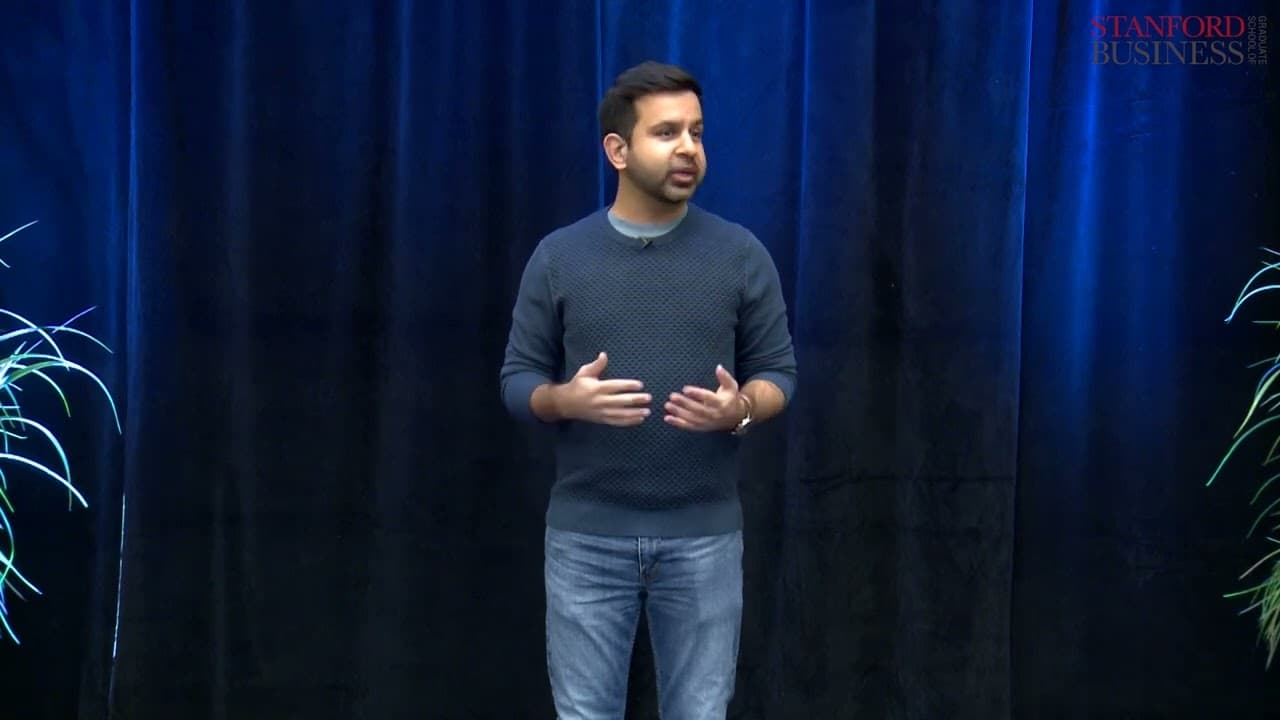
[MUSIC] As I started speaking, what was the first thing you noticed about me? Was it my charming smile, my charismatic personality, or was it my accent? Having lived in the US now for almost three years, I realized that for a lot of people, it is my accent. I come from Pakistan, which is why I have an unmistakable South Asian accent. I've been fasc... Read More
Key Insights
- 🥺 Accents can trigger conscious and unconscious biases, leading to accent discrimination and negative judgments on the speaker's credibility.
- ❓ Mastery of English and certain accents have been historically associated with status and sophistication, creating an accent hierarchy.
- 🥳 Accent discrimination exists in different parts of the world, with certain accents being viewed as superior or inferior.
- 😀 Accents can affect job prospects and recruitment, with non-native English speakers often facing challenges due to their accents.
- ❓ Cultivating accent empathy involves understanding and appreciating the cultural significance of different accents.
- 💁 Accent discrimination is a form of discrimination that can hinder the inclusion and understanding of diverse voices.
- 🤑 Overcoming accent biases requires individuals to challenge their reflexive reactions and consider the rich identity and experiences behind different accents.
Install to Summarize YouTube Videos and Get Transcripts
Explore YouTube Video Summarizer or Get YouTube Transcript Extractor
Questions & Answers
Q: How does accent discrimination affect people's beliefs and judgments?
Research shows that people are less likely to believe something if it is said with a foreign accent. This is due to the additional cognitive effort required to process foreign speech, leading to negative judgments on the speaker's truthfulness.
Q: How does the legacy of British colonialism contribute to accent biases?
The British colonial rule in countries like India led to the perception that mastery of spoken English and imitating British accents equated to prestige and patronage. This mindset still persists and influences how accents are perceived today.
Q: How do accents affect job prospects and recruitment at elite firms?
Accents, especially those outside the accent hierarchy (American, British, Australian), can be a barrier for job candidates. Foreign students and non-native English speakers often face scrutiny and questions about their accents, while those with "pure" British, German, or Scandinavian accents are more readily accepted.
Q: How can individuals cultivate accent empathy?
By pausing, reflecting, and challenging reflexive reactions to unfamiliar accents, individuals can develop accent empathy. Understanding that accents are a manifestation of someone's cultural identity and lived experience can help break down biases.
Summary & Key Takeaways
-
Accents can trigger conscious and unconscious biases, leading to accent discrimination.
-
Mastery of English and a "good" accent have been historically seen as symbols of status and sophistication.
-
Accent discrimination exists in various parts of the world, with certain accents being perceived as superior or inferior.
Read in Other Languages (beta)
Share This Summary 📚
Summarize YouTube Videos and Get Video Transcripts with 1-Click
Try YouTube Summary with ChatGPT & Claude or YouTube Transcript Generator
Explore More Summaries from Stanford Graduate School of Business 📚






Summarize YouTube Videos and Get Video Transcripts with 1-Click
Try YouTube Summary with ChatGPT & Claude or YouTube Transcript Generator