M3J MoDRN Toxicology Dose Responce Curve Limitations
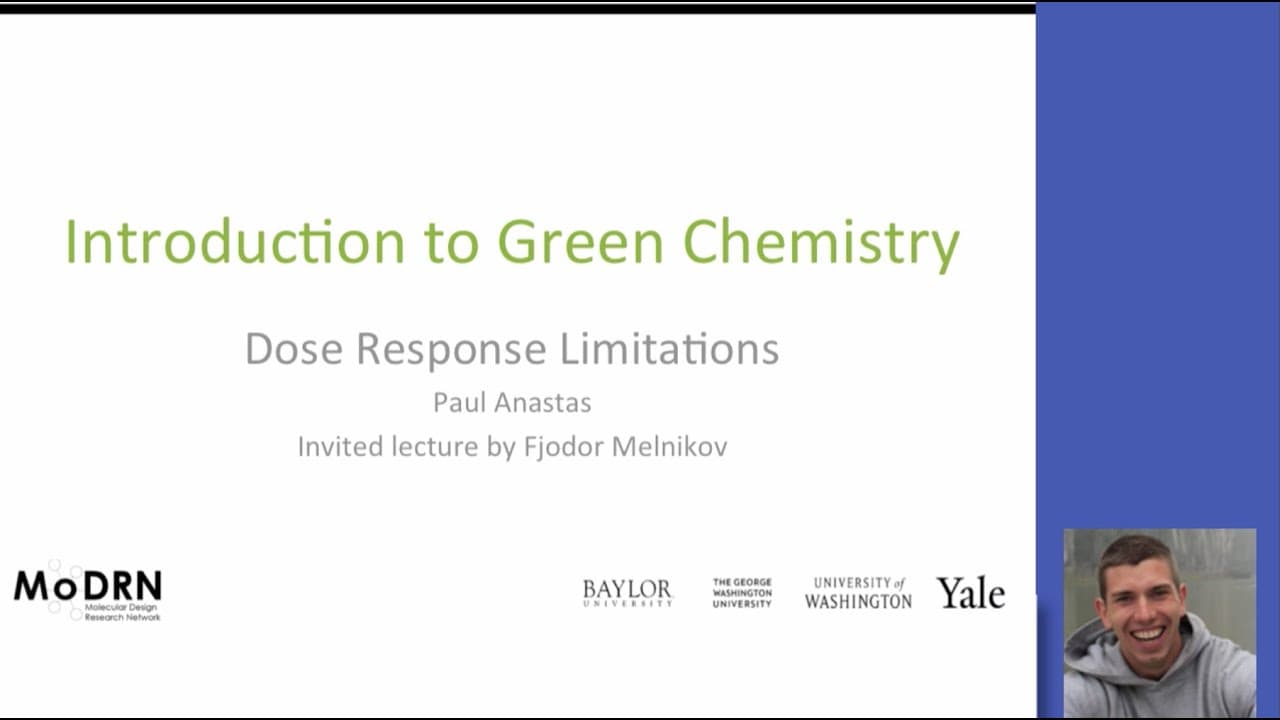
TL;DR
Constructing dose-response curves is challenging due to the need for data from animal studies, human epidemiological studies, and in vitro cell assays, each of which has its limitations and complexities.
Transcript
so how does one construct a dose-response curve well you need data the data can essentially come from three sources Adam Oh bioassays where the exit is studied in relatively large number of animals human epidemiological studies which are often conducted in specific sub population which could be his original a specific or occupational a specific fin... Read More
Key Insights
- 👷 Constructing dose-response curves requires data from animal studies, human epidemiological studies, and in vitro cell assays.
- ✋ Animal studies involve extrapolation, high costs, and differences between animals and humans.
- 😀 Epidemiological studies face challenges in isolating specific substances and assessing rare health effects in large populations.
- 💨 In vitro cell assays are fast but have limited relevance to human toxicology.
Install to Summarize YouTube Videos and Get Transcripts
Explore YouTube Video Summarizer or Get YouTube Transcript Extractor
Questions & Answers
Q: What are the main sources of data for constructing dose-response curves?
The main sources of data are animal studies (bioassays), human epidemiological studies, and in vitro cell assays.
Q: Why are animal studies challenging for dose-response evaluations?
Animal studies require extrapolation from high doses to low doses, are expensive and time-consuming, and involve physiological differences between animals and humans.
Q: What challenges do epidemiological studies face in constructing dose-response curves?
Epidemiological studies face challenges such as complex exposures, difficulty isolating specific substances, and the need for large sample sizes to assess rare health effects.
Q: What advantages and limitations do in vitro cell assays have?
In vitro cell assays are fast and can screen many chemicals, but their applicability to humans is limited, as they are far removed from human biology. They are not commonly used to construct dose-response curves for rare health effects.
Summary & Key Takeaways
-
Constructing a dose-response curve requires data from animal studies, human epidemiological studies, and in vitro cell assays.
-
Animal studies are expensive and time-consuming, requiring extrapolation from high doses to lower doses. Physiological differences between animals and humans can complicate extrapolation.
-
Epidemiological studies face challenges such as complex exposures, difficulty isolating specific substances, and the need for large sample sizes. In vitro cell assays are fast but have limited relevance to humans.
Read in Other Languages (beta)
Share This Summary 📚
Summarize YouTube Videos and Get Video Transcripts with 1-Click
Try YouTube Summary with ChatGPT & Claude or YouTube Transcript Generator
Explore More Summaries from YaleCourses 📚




Summarize YouTube Videos and Get Video Transcripts with 1-Click
Try YouTube Summary with ChatGPT & Claude or YouTube Transcript Generator