How Can You Prepare for Any Emergency Situation?
TL;DR
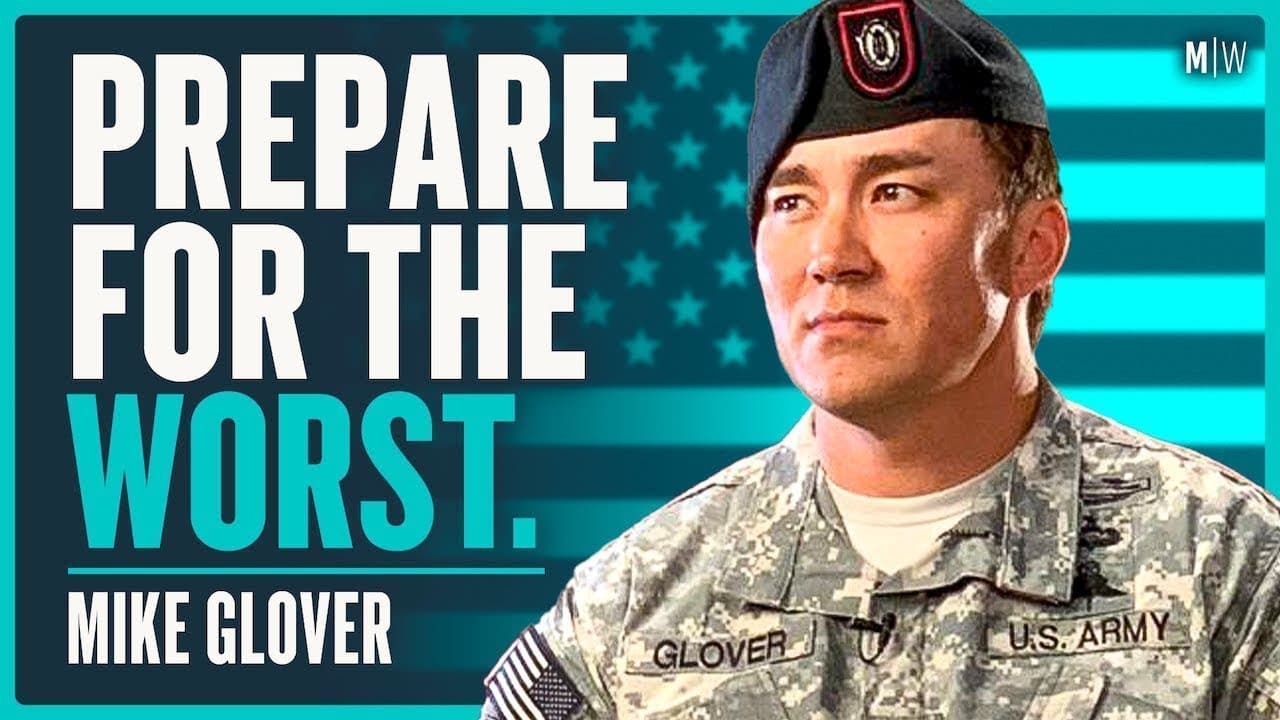
Being prepared for emergencies involves understanding risks and developing necessary skills. Training in basic first aid, maintaining situational awareness, and knowing how to respond under stress are essential for personal resilience, as emergencies can arise unexpectedly.
Transcript
imagine you're in a situation where you have a compromise femoral artery you're bleeding out and you're waiting for the first responder who has an average response time of 12 minutes in most areas in the country and you bleed out in three a 29 piece of equipment and a little bit of training that you could literally get from YouTube could save your ... Read More
Key Insights
- ♻️ Situational awareness and paying attention to one's environment are crucial in preparedness.
- ❓ Personal resilience is essential, as relying solely on institutions may not always be effective.
- 😨 Understanding the statistical risks, such as the likelihood of car accidents, drug overdoses, or health issues, can help individuals prioritize their preparedness efforts.
- ❓ The legal, moral, and emotional consequences of using deadly force should be carefully considered and understood.
- 🖐️ Demeanor and body language play a significant role in assessing potential threats and maintaining personal security.
Install to Summarize YouTube Videos and Get Transcripts
Explore YouTube Video Summarizer or Get YouTube Transcript Extractor
Questions & Answers
Q: Why are CIA operatives often seen differently from Special Forces members?
The speaker believes that the perception is due to the idea of "Cloak and Dagger," Hollywood portrayals, and books that romanticize intelligence agencies. While this perception may help with recruitment, it can also create unrealistic expectations.
Q: Were you ever labeled a domestic terrorist?
Yes, the speaker's organization, "American Contingency," was identified as a potential militant violent extremist organization. Despite his military and CIA background, he found it ironic to be seen as a potential problem after dedicating his life to service.
Q: Why is preparedness important in countries with seemingly less risk?
While the specific risks may vary, the speaker gives examples of historical events, such as World War II and recent conflicts like the war in Ukraine, to demonstrate the need for preparedness in any country. Natural disasters, supply chain disruptions, or societal breakdowns can occur anywhere.
Q: How can individuals learn to eliminate the freeze response in emergency situations?
The speaker explains that freeze response can be composted of both fight/flight/freeze sympathetic response and post-response parasympathetic hypoarousal. By training under stress and understanding the symptoms, individuals can learn to manage their responses and overcome freeze reactions.
Summary & Key Takeaways
-
The speaker emphasizes the importance of being prepared for emergencies, highlighting the potential life-saving impact of simple training and basic equipment.
-
He discusses his background in the military and the CIA, explaining that he serves as a connector between experts and civilians seeking information on preparedness.
-
While he acknowledges that he may not be an expert in all fields of preparedness, he believes in the power of collaboration and knowledge-sharing to enhance resilience.
Read in Other Languages (beta)
Share This Summary 📚
Summarize YouTube Videos and Get Video Transcripts with 1-Click
Try YouTube Summary with ChatGPT & Claude or YouTube Transcript Generator
Explore More Summaries from Chris Williamson 📚






Summarize YouTube Videos and Get Video Transcripts with 1-Click
Try YouTube Summary with ChatGPT & Claude or YouTube Transcript Generator