Tobacco and Alcohol | Essentials of Global Health with Richard Skolnik
TL;DR
Tobacco and alcohol consumption have significant health, economic, and social consequences, causing millions of deaths annually and increasing the risk of various diseases.
Transcript
welcome today we're going to speak about tobacco and alcohol two critical risk factors for health by the time you finish the session you should be able to speak comfortably about the importance of tobacco and alcohol to the burden of disease the health economic and social consequences of tobacco consumption and excess alcohol use and selected measu... Read More
Key Insights
- 🥺 Tobacco consumption is a leading risk factor for cardiovascular disease, cancer, and diabetes.
- 😘 Smoking prevalence is higher among men and in low-income countries.
- 😒 Alcohol use disorders contribute to a significant burden of disease globally, causing deaths and various health problems.
- ✋ High-risk drinking is more prevalent among men, especially in Europe and Central Asia.
- 🤨 Measures like raising prices through taxation and implementing restrictions on sales and advertising can effectively reduce tobacco and alcohol consumption.
Install to Summarize YouTube Videos and Get Transcripts
Explore YouTube Video Summarizer or Get YouTube Transcript Extractor
Questions & Answers
Q: How many deaths annually are associated with tobacco use?
It is estimated that about 5 million deaths annually are associated with tobacco use, with half of them in low-income countries.
Q: What are the most common tobacco-related diseases?
The most common tobacco-related deaths are from cardiovascular disease, respiratory diseases like emphysema, and various types of cancers.
Q: How does smoking prevalence differ among countries?
Countries like Russia and Indonesia have high smoking rates among adults, while countries like Uruguay and Egypt have low prevalence, with women smoking at lower rates than men.
Q: What measures can be taken to reduce tobacco use?
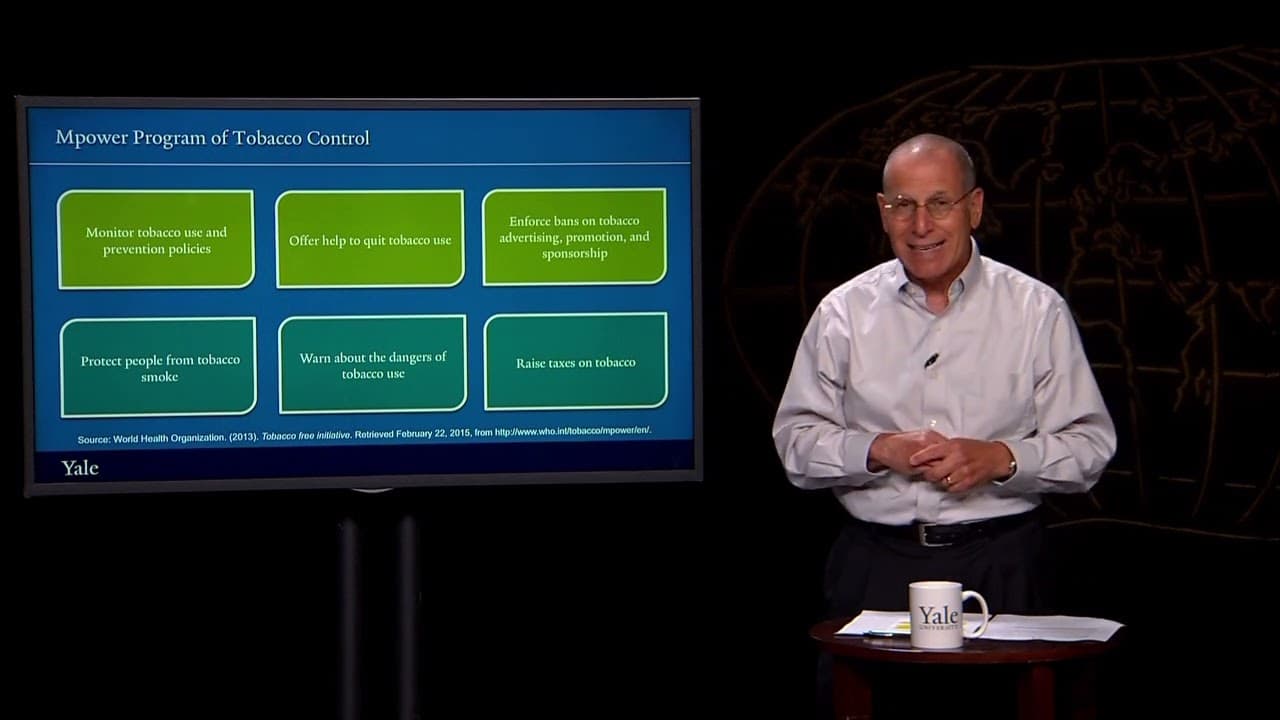
Measures such as monitoring tobacco use, promoting prevention policies, enforcing bans on advertising, raising taxes, and creating smoke-free zones can help reduce tobacco consumption.
Q: What are the economic consequences of excessive alcohol consumption?
Excessive alcohol consumption has high economic costs, including direct health costs for the user and indirect costs due to productivity losses and injuries caused by the drinker.
Q: What steps can countries take to address alcohol abuse?
Countries can implement measures such as increasing taxes on alcohol, reducing availability and sales, providing counseling sessions for excessive drinkers, and regulating marketing and packaging.
Summary & Key Takeaways
-
Tobacco consumption is a leading risk factor for cardiovascular disease, cancer, and diabetes, causing millions of deaths annually, especially in low-income countries.
-
Smoking is more prevalent among men, particularly in low-income countries.
-
Alcohol use disorders contribute to a significant burden of disease globally, causing deaths and increasing the risk of various health problems.
-
High-risk drinking is more common among men and in certain regions, like Europe and Central Asia.
Read in Other Languages (beta)
Share This Summary 📚
Summarize YouTube Videos and Get Video Transcripts with 1-Click
Try YouTube Summary with ChatGPT & Claude or YouTube Transcript Generator
Explore More Summaries from YaleCourses 📚






Summarize YouTube Videos and Get Video Transcripts with 1-Click
Try YouTube Summary with ChatGPT & Claude or YouTube Transcript Generator