How to Protect Original Content from Being Copied
TL;DR
There is no automated way to protect original content from being copied online. Google uses algorithms to try and identify the original source, but sometimes more popular sites may rank higher. Content creators should focus on making their content unique and valuable to maintain visibility.
Transcript
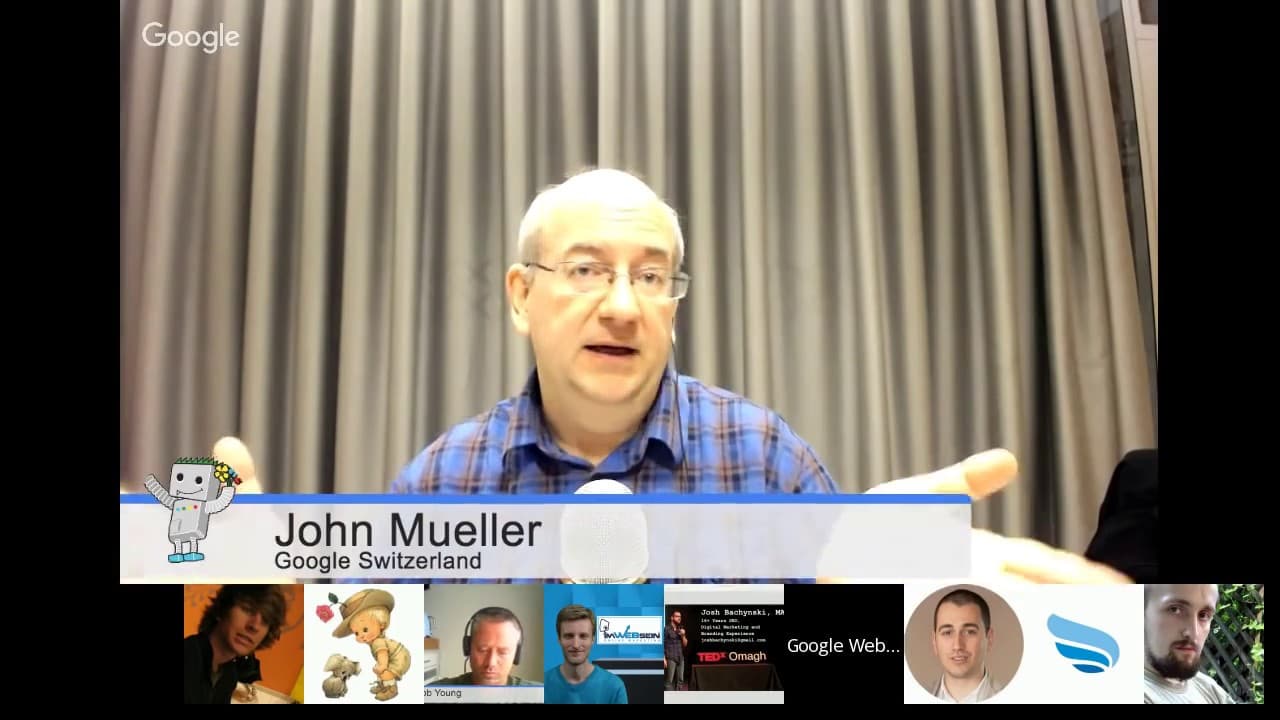
JOHN MUELLER: All right. Welcome, everyone, to today's Google Webmaster Central Office Hours Hangout. My name is John Mueller. I am a Webmaster Trends Analyst here at Google in Switzerland. And part of what we do is talk with webmasters and publishers, like the ones here in the Hangouts and the ones that submitted lots of questions already. As alwa... Read More
Key Insights
- Google has algorithms to recognize original content, but they aren't foolproof.
- There is no automated method to declare content ownership to Google.
- Popular sites with added user content may outrank original sources.
- Google attempts to show the original source when possible.
- Content creators must accept the risk of content being copied online.
- Adding unique value to content can help maintain its ranking.
- Google does not penalize for duplicate content but may choose a canonical source.
- Webmasters should focus on creating valuable and unique content.
Install to Summarize YouTube Videos and Get Transcripts
Explore YouTube Video Summarizer or Get YouTube Transcript Extractor
Questions & Answers
Q: How can I protect my original content from being copied and outranked?
There is no automated way to protect content from being copied and outranked by other sites. Google uses algorithms to identify the original source, but these are not always reliable. Content creators should focus on making their content unique and valuable to maintain visibility and consider using legal measures like DMCA complaints if necessary.
Q: What does Google do to identify the original source of content?
Google employs algorithms designed to recognize the original source of content and give it a boost in search results. However, these algorithms are not foolproof, and more popular sites with additional user-generated content may sometimes rank higher than the original source.
Q: Is there a penalty for having duplicate content on my site?
Google does not penalize for duplicate content. Instead, it tries to identify a canonical source to display in search results. This means that if your content is duplicated across multiple pages or sites, Google will choose one version to show, which may not always be the original source.
Q: How can I ensure my content remains visible in search results?
To ensure content remains visible, focus on creating unique and valuable content that stands out. Adding unique insights, user reviews, or additional context can help. It's important to offer something distinct that adds value beyond what is available on other sites.
Q: Why might a more popular site outrank my original content?
A more popular site might outrank original content if it has higher traffic, user engagement, or additional context around the content. Google aims to provide the best user experience, so sites that offer more comprehensive or interactive content may be prioritized.
Q: What should I do if my content is copied by another site?
If your content is copied, consider using legal measures like DMCA complaints to address it. Additionally, focus on enhancing your content's uniqueness and value. While Google tries to show the original source, having distinct content can help maintain its search visibility.
Q: Does Google give preference to newer content over older content?
Google does not explicitly prefer newer content over older content. However, if a topic becomes newsworthy, newer content might be prioritized. It's important to keep content relevant and updated if necessary, but older content that remains relevant can still rank well.
Q: How does Google handle content from CDNs being indexed?
Google does not penalize for content being indexed from CDNs. It attempts to recognize duplicate content and choose a canonical URL to display. If you have a preference for which URL should be shown, using a rel canonical tag can help indicate this to Google.
Summary & Key Takeaways
-
Google does not offer an automated way for authors to declare ownership of their content to prevent it from being copied and outranked by more popular sites. Instead, Google uses algorithms to try to identify the original source of content and boost it in search results. However, this is not always reliable, especially if the content is copied by a site with more traffic and user engagement.
-
Webmasters are encouraged to focus on adding unique value to their content, as this can help maintain its visibility in search results. While Google does attempt to show the original source of content, it may prioritize sites that offer additional context or user interaction. Content creators should be aware that their work can be easily copied and should strive to offer something distinct that sets their content apart.
-
Duplicate content is not penalized by Google, but the search engine will choose a canonical source to display in search results. This emphasizes the importance of creating content that is not only original but also offers additional value to users. Webmasters should consider the overall quality and uniqueness of their content to ensure it stands out in search rankings.
Read in Other Languages (beta)
Share This Summary 📚
Summarize YouTube Videos and Get Video Transcripts with 1-Click
Try YouTube Summary with ChatGPT & Claude or YouTube Transcript Generator
Explore More Summaries from Google Search Central 📚

Summarize YouTube Videos and Get Video Transcripts with 1-Click
Try YouTube Summary with ChatGPT & Claude or YouTube Transcript Generator