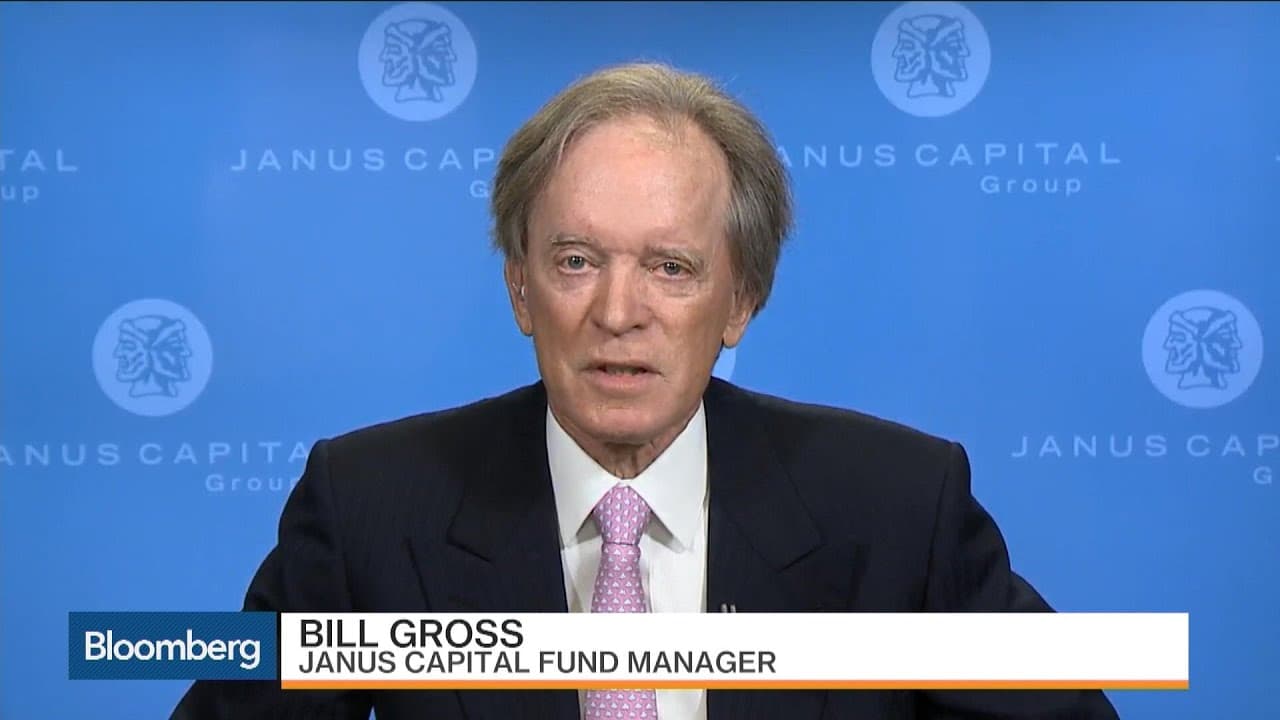
Bill Gross: The U.S. Is Not Creating Enough Credit Growth
TL;DR
Bill Gross highlights insufficient U.S. credit growth for economic stability.
Transcript
maybe you don't want to look at inflation but you want to look at credit creation as a key metric and you worry that it's slowing that doesn't seem to be the view of fed officials at least not as expressed in the minutes where they say that uh credit creation for households seem to be uh moving right along and overall Financial conditions for non-f... Read More
Key Insights
- Bill Gross argues that U.S. credit creation is not sufficient to support even a subpar economy, with household credit growth being particularly slow.
- While credit cards are growing at a higher rate, the overall household sector credit growth remains low due to sluggish mortgage creation.
- Corporate credit is being used as a proxy for sovereign credit, but Gross warns about the artificial inflation of prices in this sector.
- The NEIC's proposal to downgrade regulations for corporate credit could lead to increased risk in the credit market.
- Gross expresses concern over the narrow spreads in high-yield bonds and investment-grade corporate bonds, which could pose risks during economic slowdowns or recessions.
- Sovereign bonds are seen as risky by Gross, with many countries offering negative yields, making them unattractive investments.
- Gross warns investors to focus on the return of their money rather than the return on their money due to the high durations and low interest rates of sovereign bonds.
- The current low yields in countries like Japan, Germany, and the UK are unprecedented and signal potential risks in the bond market.
Install to Summarize YouTube Videos and Get Transcripts
Explore YouTube Video Summarizer or Get YouTube Transcript Extractor
Questions & Answers
Q: What is Bill Gross's view on U.S. credit growth?
Bill Gross believes that U.S. credit growth is insufficient to support even a subpar economy. He highlights that while credit card growth is higher, the overall household sector credit growth is low due to sluggish mortgage creation. This slow pace of credit creation raises concerns about its ability to sustain economic stability.
Q: How does Gross perceive the use of corporate credit as a proxy for sovereign credit?
Gross warns against using corporate credit as a proxy for sovereign credit, arguing that prices in this sector are artificially high. He points out that interest rates for sovereign credit, such as in Japan, are at zero or negative levels, making corporate credit seem more attractive but potentially misleading in terms of true credit quality.
Q: What are Gross's concerns regarding the NEIC's proposal on corporate credit regulations?
Gross is concerned about the NEIC's proposal to downgrade regulations for corporate credit, which would allow insurance companies to buy high-yield bonds at reduced regulatory penalties. He warns that such measures could increase risks in the credit market, especially given the narrow spreads in high-yield bonds compared to historical levels.
Q: Why does Gross find sovereign bonds risky?
Gross finds sovereign bonds risky due to the negative yields offered by many countries, making them unattractive investments. He emphasizes that with high durations and low interest rates, even a small change in yields can lead to significant losses, prompting investors to focus more on the return of their money rather than the return on their money.
Q: What is Gross's advice to investors regarding sovereign bonds?
Gross advises investors to prioritize the return of their money over the return on their money when it comes to sovereign bonds. He highlights the risks associated with the current low yields and high durations, which make these bonds susceptible to significant losses even with minor changes in yield.
Q: How does Gross view the current yields in countries like Japan, Germany, and the UK?
Gross views the current low yields in countries like Japan, Germany, and the UK as unprecedented and concerning. He notes that these negative yields would have been considered unrealistic a few years ago, indicating potential risks and challenges in the bond market.
Q: What implications does Gross see from the slow pace of household credit creation?
Gross sees the slow pace of household credit creation as a major concern for the U.S. economy. He points out that while credit card growth is higher, the overall household sector credit growth remains low, especially due to sluggish mortgage creation. This could hinder economic stability and growth.
Q: What does Gross suggest about the focus of investors in the current bond market?
Gross suggests that investors should focus on the return of their money rather than the return on their money in the current bond market. Given the high durations and low interest rates, he warns that even small changes in yield can lead to significant losses, making it crucial for investors to prioritize capital preservation.
Summary & Key Takeaways
-
Bill Gross discusses the inadequacy of U.S. credit growth, emphasizing the slow pace of household credit creation and its implications for the economy. He highlights concerns about using corporate credit as a proxy for sovereign credit and warns of artificially high prices in this sector.
-
Gross criticizes the NEIC's proposal to relax regulations on corporate credit, highlighting potential risks associated with narrow spreads in high-yield and investment-grade bonds. He advises caution, especially in the context of economic slowdowns or recessions.
-
Gross expresses skepticism about the attractiveness of sovereign bonds due to negative yields in many countries. He advises investors to prioritize the return of their money over the return on their money, given the risks associated with current bond market conditions.
Read in Other Languages (beta)
Share This Summary 📚
Summarize YouTube Videos and Get Video Transcripts with 1-Click
Try YouTube Summary with ChatGPT & Claude or YouTube Transcript Generator
Explore More Summaries from Bloomberg Originals 📚





Summarize YouTube Videos and Get Video Transcripts with 1-Click
Try YouTube Summary with ChatGPT & Claude or YouTube Transcript Generator