ApoB VS LDL-Cholesterol: Request this Marker Instead
TL;DR
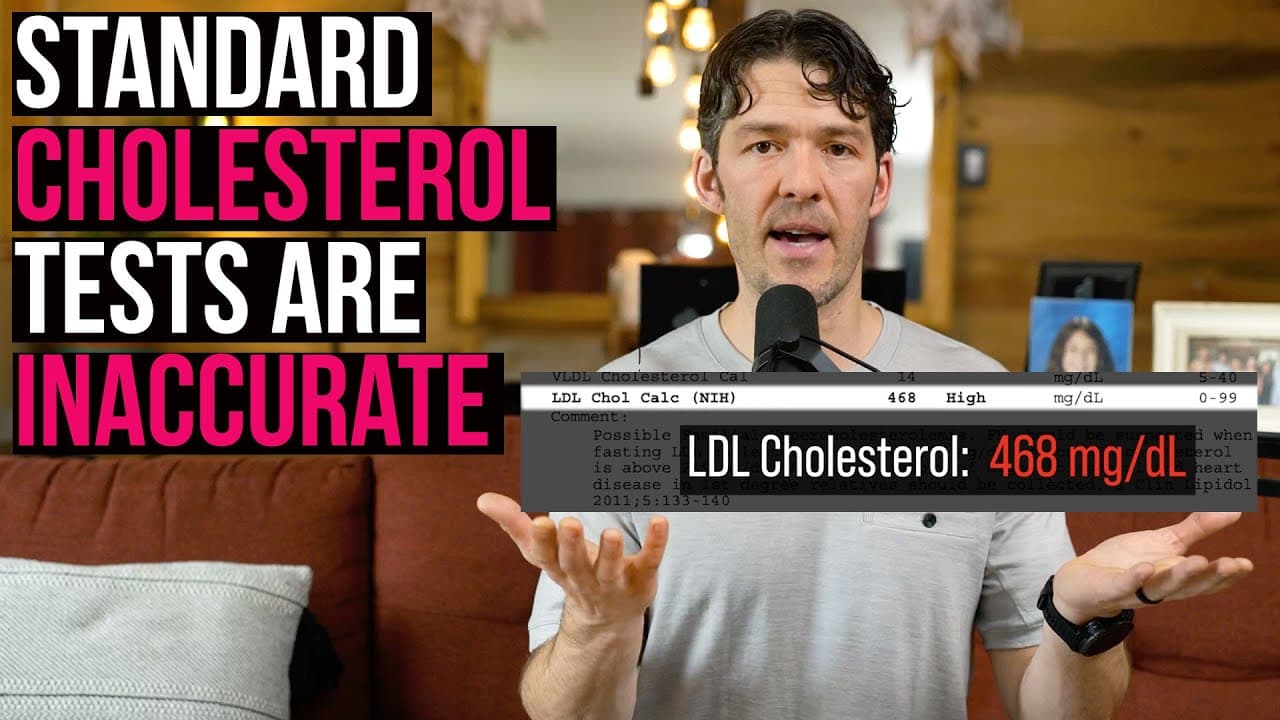
Cholesterol levels may increase on low-carb diets, but other biomarkers should be considered to evaluate cardiovascular disease risk.
Transcript
so today we're going to talk a little bit more about cholesterol if you've ever gone on a low carb ketogenic or carnivore style diet if you exercise or do any intermittent fasting it's actually quite common that your ldl cholesterol increases which causes your medical doctor to freak out and so in today's session what we're going to do is i'm going... Read More
Key Insights
- 😘 LDL cholesterol increase on low-carb diets is a natural response to fat utilization for energy during exercise or fasting.
- ✳️ LDL cholesterol should be evaluated in conjunction with other biomarkers like the ApoB/ApoA1 ratio, advanced cardiovascular risk assessment, and LP little a for a more accurate assessment of cardiovascular disease risk.
- 🩸 LP little a is important due to its involvement in LDL oxidation and potential blood clotting.
- 🛢️ Avoiding oxidizable oils in the diet can help reduce the risk of LDL oxidation.
- 🥺 Educating healthcare providers about the importance of considering additional biomarkers can lead to better conversations and personalized treatment plans for patients.
- 🧑⚕️ Winter months see an increased prevalence of fatal heart attacks, making it an opportune time for blood work and health assessments.
Install to Summarize YouTube Videos and Get Transcripts
Explore YouTube Video Summarizer or Get YouTube Transcript Extractor
Questions & Answers
Q: Why does LDL cholesterol increase on low-carb, ketogenic, or carnivore diets?
LDL cholesterol can increase on these diets because they promote fat utilization for energy. LDL acts as a transport system for triglycerides, and during fasted exercise, the body naturally increases LDL cholesterol to mobilize energy.
Q: How can we evaluate cardiovascular disease risk more accurately than just measuring LDL cholesterol?
Apart from LDL cholesterol, biomarkers like ApoB/ApoA1 ratio, advanced cardiovascular risk assessment, and LP little a can provide a more comprehensive assessment of cardiovascular disease risk.
Q: What is LP little a, and why is it important?
LP little a is a biomarker involved in LDL oxidation and potential blood clotting. It competes with an enzyme that degrades clots, making its increased presence a concern. Understanding LP little a levels is crucial for evaluating cardiovascular health.
Q: Why should oxidizable oils be avoided in the diet?
Consuming oxidizable oils like canola, safflower, soy, and corn oil can increase the likelihood of oxidation in LDL cholesterol. It is recommended to decrease the consumption of these oils and opt for healthier alternatives like coconut oil, olive oil, and butter.
Key Insights:
- LDL cholesterol increase on low-carb diets is a natural response to fat utilization for energy during exercise or fasting.
- LDL cholesterol should be evaluated in conjunction with other biomarkers like the ApoB/ApoA1 ratio, advanced cardiovascular risk assessment, and LP little a for a more accurate assessment of cardiovascular disease risk.
- LP little a is important due to its involvement in LDL oxidation and potential blood clotting.
- Avoiding oxidizable oils in the diet can help reduce the risk of LDL oxidation.
- Educating healthcare providers about the importance of considering additional biomarkers can lead to better conversations and personalized treatment plans for patients.
- Winter months see an increased prevalence of fatal heart attacks, making it an opportune time for blood work and health assessments.
- Increased consumption of vitamin C and decreased consumption of oxidizable polyunsaturated fats can help mitigate LDL oxidation and improve cardiovascular health.
Summary & Key Takeaways
-
Cholesterol levels, specifically LDL cholesterol, can increase on low-carb, ketogenic, or carnivore diets, intermittent fasting, or with exercise. Doctors often prescribe statins or cholesterol-lowering medications, but there are other biomarkers that can provide a more nuanced view of cardiovascular health.
-
Additional biomarkers such as ApoB/ApoA1 ratio, advanced cardiovascular risk assessment, and lipoprotein little a (LP little a) should be considered to assess cardiovascular disease risk accurately.
-
LP little a is particularly important as it is linked to LDL oxidation and potential blood clotting, making it a crucial biomarker to be aware of.
Read in Other Languages (beta)
Share This Summary 📚
Summarize YouTube Videos and Get Video Transcripts with 1-Click
Try YouTube Summary with ChatGPT & Claude or YouTube Transcript Generator
Explore More Summaries from High Intensity Health 📚

Summarize YouTube Videos and Get Video Transcripts with 1-Click
Try YouTube Summary with ChatGPT & Claude or YouTube Transcript Generator