Vegan Blood Testing Breakdown: Activism VS Science
TL;DR
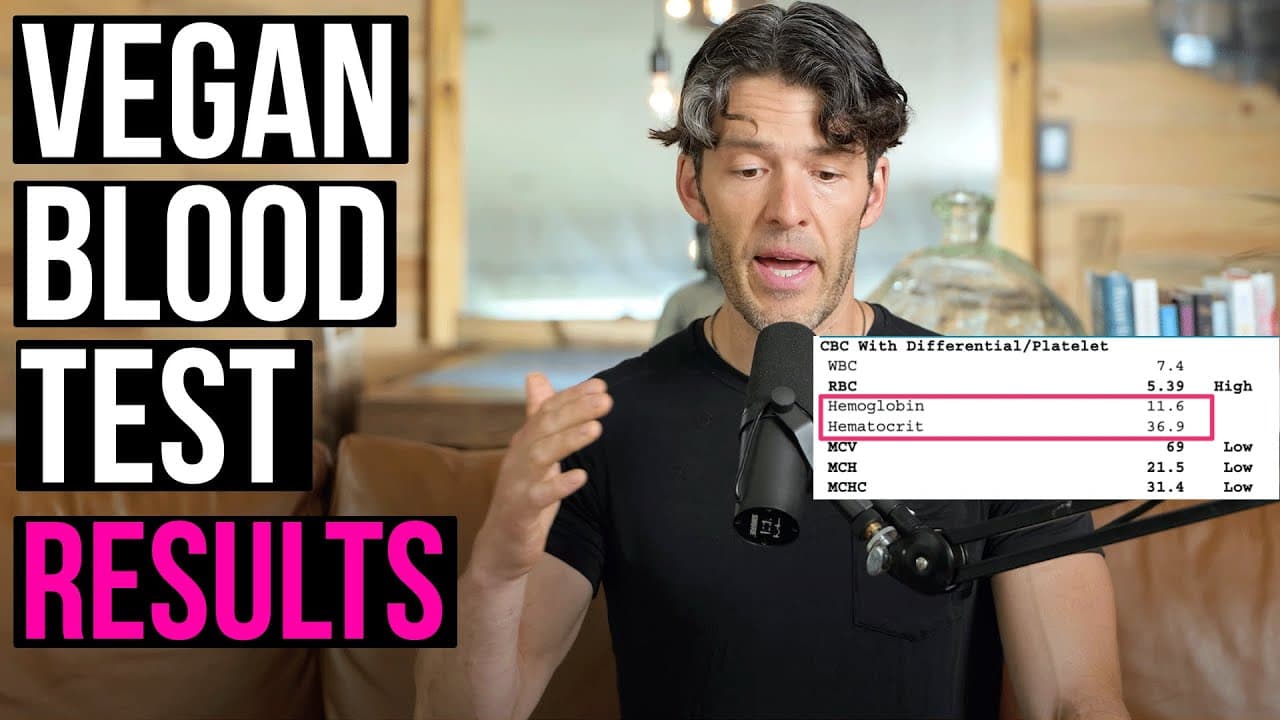
This video discusses common laboratory findings in blood work of long-term vegans and provides recommendations for improving these markers.
Transcript
hey there in today's show we're going to break down common findings in blood work from a client who is vegan for over two years this is a trend that I see in people who have been vegan or vegetarian for an extended period of time I would say over a year I want to share with you three different laboratory findings from three different individuals wh... Read More
Key Insights
- 🔍 Vegan and vegetarian diets can lead to slightly elevated hemoglobin A1c levels, indicating a higher average glucose level over a 90-day period. This is partly due to the misconception that all plant-based foods are healthy, but unhealthy vegan options do exist.
- 👩🌾 The hemoglobin and hematocrit levels of pre-menopausal vegan females tend to be lower than optimal, leading to exercise intolerance. This is attributed to deficiencies in iron, B vitamins, and folate, which can be resolved by incorporating red meat into the diet or taking supplements.
- 🧪 Laboratory tests such as liver function tests and triglyceride levels can indicate insulin resistance and metabolic health in vegans. Mildly elevated liver enzymes and low triglyceride levels can signify early-stage insulin resistance.
- 💊 Vegan diets can often result in deficiencies in iron, vitamin B12, and folate, leading to anemia and fatigue. Incorporating liver, red meat, and supplements can help address these deficiencies.
- ♀️ Omnivorous male athletes tend to have higher hemoglobin and hematocrit levels, which contribute to better exercise tolerance. However, levels above 50% can increase the risk of clotting and stroke, highlighting the importance of maintaining a balance.
- ❤️ While vegan diets can be healthy, they can result in lower HDL cholesterol levels in women. The ratio of ApoB to ApoA1 can impact cardiovascular health, and it is important to monitor and make dietary changes as necessary.
- 🚰 Low creatinine levels are commonly seen in vegan and vegetarian individuals, indicating potentially inadequate protein intake. It is important to ensure sufficient protein consumption, especially for those who do not lift weights.
- 💡 Understanding common trends and findings in blood work can help individuals make informed decisions about their diets and overall health. Regular monitoring and personalized advice from healthcare professionals can be beneficial.
Install to Summarize YouTube Videos and Get Transcripts
Explore YouTube Video Summarizer or Get YouTube Transcript Extractor
Questions & Answers
Q: Why do vegan diets often result in slightly elevated hemoglobin A1c levels?
Vegan diets can be high in unhealthy, processed plant-based foods, such as pastries and sugary beverages, which can raise blood sugar levels and lead to slightly elevated hemoglobin A1c levels.
Q: What is the significance of low hematocrit and hemoglobin levels in vegan individuals?
Low hematocrit and hemoglobin levels indicate anemia and can result in exercise intolerance due to inadequate oxygen delivery to working muscles. This can be improved by increasing iron and B vitamin intake through diet or supplementation.
Q: How can vegan individuals improve their iron and B vitamin levels without consuming animal products?
Vegan individuals can increase their intake of iron-rich plant-based foods like legumes, leafy greens, and fortified cereals. They can also consider consuming liver or taking desiccated liver supplements. B12 can be obtained from fortified plant-based milks, nutritional yeast, or B12 supplements.
Q: Why is it important for vegan individuals to monitor their albumin to creatinine ratio in urine?
Elevated albumin to creatinine ratios can indicate kidney damage caused by insulin resistance and high glucose levels. Monitoring this ratio can help motivate dietary and lifestyle changes to prevent further kidney damage.
Summary & Key Takeaways
-
The video analyzes the blood work of three young pre-menopausal women who have been vegan for an extended period of time.
-
Hemoglobin A1c levels were found to be slightly elevated in these individuals, indicating potential risk for diabetes.
-
Hematocrit, hemoglobin, ferritin, and iron levels were all lower than optimal, suggesting possible anemia and exercise intolerance.
-
Recommendations include transitioning to an omnivorous diet with more red meat and liver, or supplementing with iron, B12, and folate.
Read in Other Languages (beta)
Share This Summary 📚
Summarize YouTube Videos and Get Video Transcripts with 1-Click
Try YouTube Summary with ChatGPT & Claude or YouTube Transcript Generator
Explore More Summaries from High Intensity Health 📚

Summarize YouTube Videos and Get Video Transcripts with 1-Click
Try YouTube Summary with ChatGPT & Claude or YouTube Transcript Generator