Bioimage Analysis 4: Tracking (Kevin Eliceiri)
TL;DR
Explores tracking in bioimage analysis using ImageJ tools.
Transcript
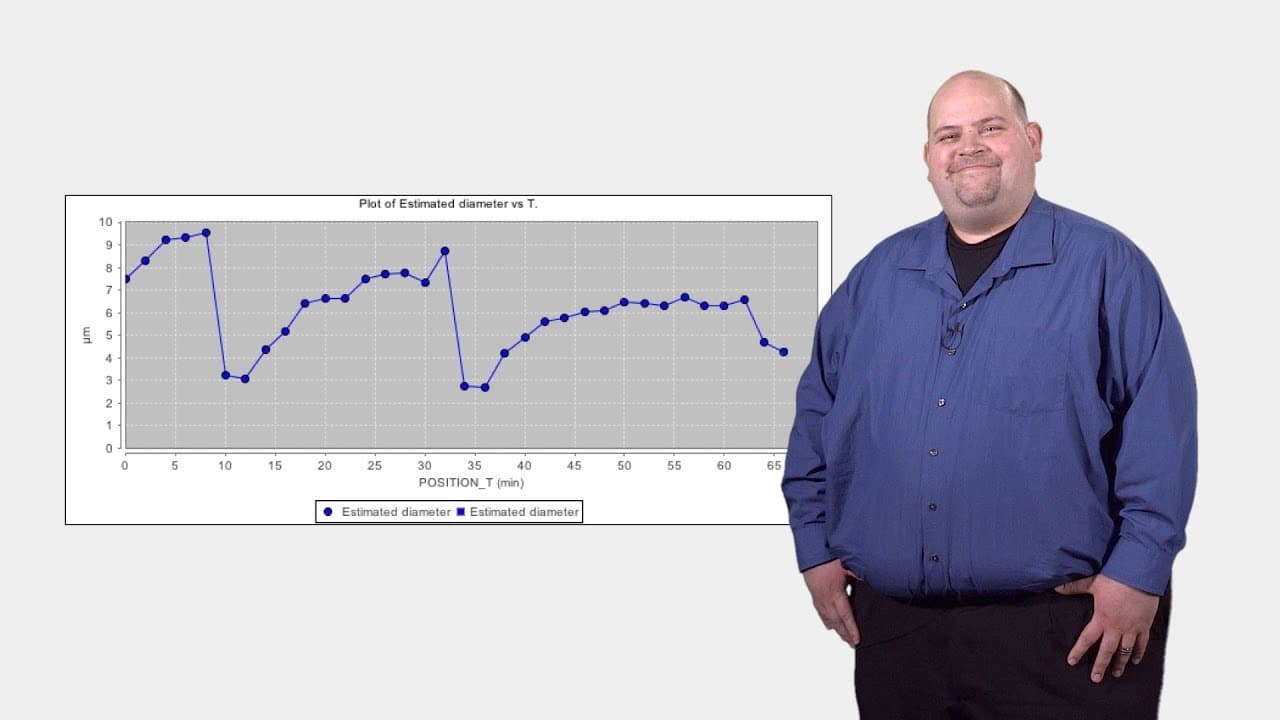
Hi, I'm Kevin Eliceiri of the University Wisconsin at Madison and the ImageJ project. And this is the next part of our bioimage analysis basics course, where we're talking about tracking. Tracking is really one of more fundamental aspects of why you do optical microscopy in particular: the ability to look at space and time, and link objects across ... Read More
Key Insights
- Tracking in bioimage analysis is crucial for understanding spatial and temporal dynamics of objects in microscopy images, allowing researchers to analyze speed, directionality, and cell lineage.
- ImageJ's TrackMate is a powerful tool that simplifies the process of tracking objects in 2D and 3D datasets, emphasizing the importance of high-quality data for accurate tracking.
- Segmentation is a prerequisite for tracking, where objects of interest are identified before linking them across different frames to analyze their movement and interactions.
- Advanced tracking techniques incorporate cell features such as morphology and directionality, enhancing the ability to predict and track object interactions over time.
- Measuring spot features like velocity, direction, and displacement is vital for gathering comprehensive statistics on tracked objects, aiding in detailed analysis of cell behavior.
- Automated analysis, including machine learning, is increasingly being applied to tracking, offering more sophisticated methods for analyzing complex datasets.
- The bioimage analysis series provides a comprehensive overview, from pre-processing to segmentation and tracking, culminating in data analysis to measure various biological features.
- Experts encourage utilizing forums and additional resources to enhance understanding and application of tracking techniques in bioimage analysis, fostering collaborative learning.
Install to Summarize YouTube Videos and Get Transcripts
Explore YouTube Video Summarizer or Get YouTube Transcript Extractor
Questions & Answers
Q: What is the significance of tracking in bioimage analysis?
Tracking is a fundamental aspect of bioimage analysis that enables researchers to understand the spatial and temporal dynamics of objects in microscopy images. It allows for the analysis of speed, directionality, and cell lineage, providing insights into cellular behavior and interactions over time, which is crucial for biological research.
Q: How does TrackMate in ImageJ assist in tracking?
TrackMate in ImageJ is a powerful tool that simplifies the process of tracking objects in 2D and 3D datasets. It facilitates the linking of objects across different frames, allowing researchers to analyze their movement and interactions. The tool emphasizes the importance of high-quality data for accurate tracking and provides a user-friendly interface for conducting detailed analyses.
Q: What role does segmentation play in tracking?
Segmentation is a prerequisite for tracking, where objects of interest are identified before they can be linked across different frames. This step is crucial for accurately analyzing the movement and interactions of objects, as it lays the foundation for subsequent tracking processes. Proper segmentation ensures that only relevant objects are tracked, enhancing the accuracy of the analysis.
Q: How do advanced tracking techniques enhance object interaction analysis?
Advanced tracking techniques incorporate cell features such as morphology and directionality, which enhance the ability to predict and track object interactions over time. By considering these features, researchers can achieve a more accurate analysis of how objects move and interact, leading to a deeper understanding of cellular behavior and dynamics.
Q: What are the benefits of measuring spot features in tracking?
Measuring spot features like velocity, direction, and displacement is vital for gathering comprehensive statistics on tracked objects. These measurements provide detailed insights into the behavior of cells and other biological structures, aiding in the analysis of their movement patterns and interactions, which is essential for understanding complex biological processes.
Q: How is machine learning applied to tracking in bioimage analysis?
Machine learning is increasingly being applied to tracking in bioimage analysis, offering more sophisticated methods for analyzing complex datasets. These automated techniques enhance the ability to accurately track and predict object interactions, allowing for a more detailed and efficient analysis of large-scale biological data, which is beneficial for advancing research.
Q: What does the bioimage analysis series cover?
The bioimage analysis series, presented by Dr. Anne Carpenter and Dr. Kevin Eliceiri, covers the entire process of bioimage analysis from pre-processing to data analysis. It provides an overview of techniques such as segmentation and tracking, offering practical tips and best practices to aid scientists in properly analyzing their data, enhancing their research capabilities.
Q: How can forums enhance understanding of tracking techniques?
Utilizing forums and additional resources can enhance understanding and application of tracking techniques in bioimage analysis by fostering collaborative learning. Experts encourage engagement with these platforms to share knowledge, seek advice, and discuss challenges, which can lead to improved methodologies and a deeper comprehension of tracking processes in various research contexts.
Summary & Key Takeaways
-
Dr. Kevin Eliceiri discusses the fundamentals of tracking in bioimage analysis, emphasizing the importance of linking objects in space and time to analyze their movement and interactions. Tools like TrackMate in ImageJ facilitate this process, but high-quality data is essential for accurate tracking.
-
Segmentation is the first step in tracking, where objects are identified before they can be linked across frames. Advanced techniques consider cell morphology and directionality, enhancing the ability to predict object interactions. Automated methods, including machine learning, are becoming more prevalent in tracking.
-
The bioimage analysis series, presented by Dr. Anne Carpenter and Dr. Kevin Eliceiri, covers the entire process from pre-processing to data analysis. The series provides practical tips and encourages utilizing forums for collaborative learning, enhancing the application of bioimage tracking techniques.
Read in Other Languages (beta)
Share This Summary 📚
Summarize YouTube Videos and Get Video Transcripts with 1-Click
Try YouTube Summary with ChatGPT & Claude or YouTube Transcript Generator
Explore More Summaries from iBiology Techniques 📚
Summarize YouTube Videos and Get Video Transcripts with 1-Click
Try YouTube Summary with ChatGPT & Claude or YouTube Transcript Generator