Chicago Adventure, Part Five: The Platypus, The Skin, & The Cold
TL;DR
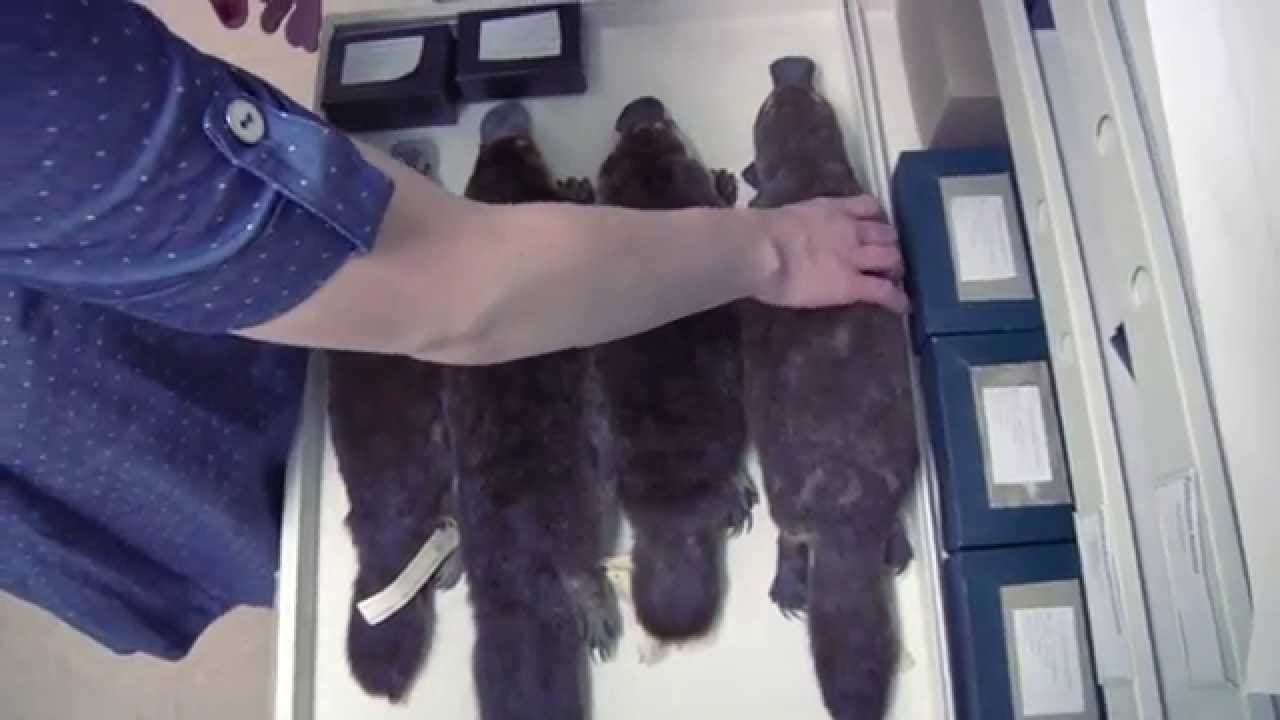
Explore the strange and fascinating specimens at the Chicago Field Museum, including the unique platypus and a massive collection of DNA samples.
Transcript
The Chicago Field Museum is one of the largest and most respected natural history museums in the world. Join me as we go behind the scenes! Dun dun dun! There it is.
- Pull that drawer open. I'm scared. Oh my gosh. Why did nature- Wha- AGH! He has eyes on him! Oh my gosh! Why? Ooh, weiird. Is this the mandible? What are these teeth?! They don't eve... Read More
Key Insights
- 🌥️ The Chicago Field Museum is renowned for its extensive natural history collection, making it one of the largest and most respected museums globally.
- 🖤 The teeth of a platypus are peculiar, lacking cusps and appearing insect-like. They serve a specific purpose in detecting prey in muddy environments.
- 🖐️ Some animals have venomous spines on their feet, which likely play a role in defense and territorial disputes.
- 😣 The museum houses an array of animal skins, including rugs donated by individuals, providing valuable insights into past wildlife populations.
- 👨🔬 DNA samples collected from amphibians and reptiles are stored in the museum's massive collection, totaling around 70,000 vials, enabling future genetic research.
- 😒 Preserving DNA samples before the use of formalin ensures their viability and allows for potential scientific collaborations and research projects.
- 🛟 The Chicago Field Museum serves as a lending library for genetic material, providing samples to researchers conducting legitimate projects.
Install to Summarize YouTube Videos and Get Transcripts
Explore YouTube Video Summarizer or Get YouTube Transcript Extractor
Questions & Answers
Q: Why do platypus teeth look so strange?
The teeth of a platypus are unique and do not have cusps because they are adapted for sensing invertebrates in the mud. The teeth have a rubbery texture and a network of nerves to aid in this process.
Q: How does venom travel in certain animals?
Venom is produced in a gland and travels along spines, serving as a defense mechanism. It is believed to deter other males from approaching.
Q: How many DNA samples are stored at the Chicago Field Museum?
The museum stores approximately 70,000 DNA vials in each tank, totaling around 70,000 specimens. These samples are vital for research purposes and can be loaned to scientists conducting valid projects.
Q: Why is it important to collect DNA samples before preserving specimens?
Formalin, a preservative used to pickle specimens, can damage DNA. By collecting tissue samples before preservation, the DNA remains intact and can be used for future studies and research.
Summary & Key Takeaways
-
The Chicago Field Museum houses a vast collection of bizarre and captivating specimens, such as the unusual teeth of a platypus.
-
Venomous spines on the feet of certain animals are used as a defense mechanism and may help keep rival males away.
-
The museum also stores an extensive collection of animal skins, including rugs and tanned hides, as well as a massive collection of DNA samples for research purposes.
Read in Other Languages (beta)
Share This Summary 📚
Summarize YouTube Videos and Get Video Transcripts with 1-Click
Try YouTube Summary with ChatGPT & Claude or YouTube Transcript Generator
Explore More Summaries from thebrainscoop 📚






Summarize YouTube Videos and Get Video Transcripts with 1-Click
Try YouTube Summary with ChatGPT & Claude or YouTube Transcript Generator