How to Solve rel=canonical Issues for SEO
TL;DR
To address rel=canonical issues, ensure that Google crawls your pages frequently and correctly indexes them before following the rel=canonical tag. If URLs are not being removed from search results, it may be due to infrequent crawling or incorrect canonical setups. The rel=canonical tag should be used wisely to avoid indexing unnecessary pages.
Transcript
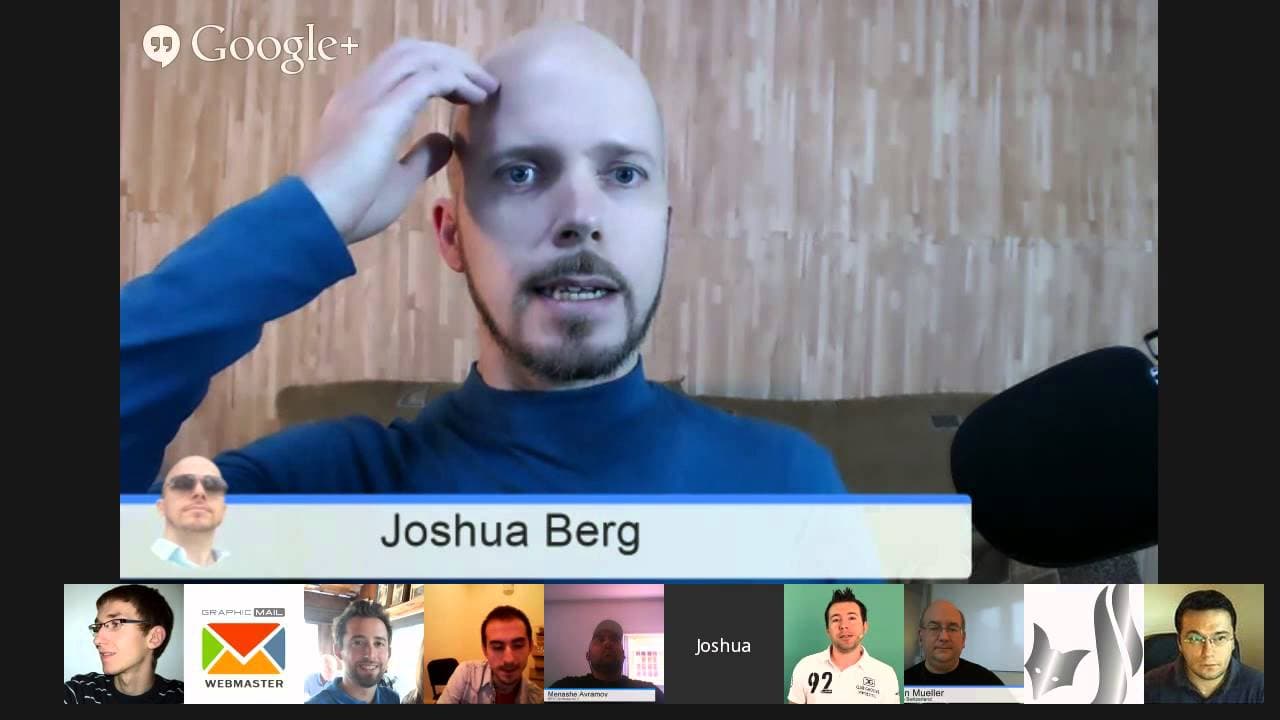
JOHN MUELLER: OK. Welcome everyone to today's Google Webmaster Central office hours hangout. My name is John Mueller. I'm a Webmaster Trends Analyst here at Google in Switzerland. And I'd like to help answer some of the webmaster web search related questions that have been coming up over the past week or so. Lots of questions were submitted already... Read More
Key Insights
- Rel=canonical is used to prevent indexing of duplicate or unnecessary pages.
- Google crawls pages at different frequencies; some pages may take longer to update in the index.
- A rel=canonical tag must be indexed first before Google can follow it.
- Google might ignore rel=canonical if it's incorrectly set up, such as pointing all pages to the homepage.
- Site queries with in-URL parts are artificial and not indicative of user searches.
- Google uses rel=canonical as a signal, not a directive, and may still show URLs in certain queries.
- Shortened titles on mobile may be due to limited space, not an error.
- Canonicalization issues can arise with different subdomains or protocols, requiring proper setup and verification in Webmaster Tools.
Install to Summarize YouTube Videos and Get Transcripts
Explore YouTube Video Summarizer or Get YouTube Transcript Extractor
Questions & Answers
Q: How does Google handle rel=canonical tags?
Google uses rel=canonical tags as signals rather than directives. It must first index the URL before it can follow the rel=canonical tag. If the tag is incorrectly set up or points to an irrelevant page, Google may ignore it. Proper implementation helps consolidate duplicate content and manage indexing efficiently.
Q: Why are some pages still indexed despite rel=canonical?
Pages may remain indexed due to infrequent crawling or incorrect rel=canonical setup. Google crawls pages at varying frequencies, and some may take longer to update. Additionally, Google might show URLs in artificial queries or if the canonical tag is not properly implemented.
Q: Can Google ignore rel=canonical tags?
Yes, Google can ignore rel=canonical tags if they are incorrectly set up, such as when all pages point to the homepage. Google treats the tag as a signal and may choose to ignore it if it appears to be a mistake or if the destination URL is not indexed.
Q: What should I do if Google changes my page titles on mobile?
Google may shorten titles on mobile due to limited space. If the shortened title is not ideal, consider adjusting your mobile-friendly titles. Ensure your titles are concise and relevant to improve their appearance on mobile search results.
Q: How can I manage canonicalization for subdomains?
Verify each subdomain in Webmaster Tools and use rel=canonical tags to indicate the preferred version of your pages. Ensure consistent settings across subdomains and protocols to avoid indexing issues. Proper canonicalization helps Google consolidate signals and display the correct version in search results.
Q: What happens if URLs are accessed from multiple categories?
If URLs can be accessed from multiple categories, use rel=canonical to point to the preferred version, such as the main product page. This helps Google consolidate indexing signals and avoid indexing multiple versions of the same content. Ensure the canonical URL is accessible and properly linked.
Q: How does Google treat hidden content behind tabs?
Google generally discounts hidden content, such as content behind tabs or click-to-expand sections. If the content is secondary and not crucial for users, this is acceptable. However, primary content should be visible to ensure it is fully indexed and valued by Google's algorithms.
Q: Why is my site not ranking for its own domain name?
Not ranking for a domain name could indicate strong negative signals, such as web spam or quality issues. Ensure the site adheres to quality guidelines and isn't using overly generic domain names. Sometimes, generic names face strong competition, making it harder to rank without a strong reputation or unique value.
Summary & Key Takeaways
-
To resolve rel=canonical issues, ensure Google has crawled and indexed the URL before the canonical can be followed. Some URLs may take longer to update due to infrequent crawling. Artificial site queries may still show URLs, but user searches typically display the correct versions.
-
Rel=canonical should be used correctly to guide Google in indexing desired pages. Incorrect setups, like pointing to the homepage, may lead Google to ignore the tag. Verification in Webmaster Tools can help manage canonicalization across subdomains and protocols.
-
Shortened mobile titles are common due to space constraints. If Google changes titles between desktop and mobile, consider if the shortened version is acceptable or if a site-specific adjustment is needed. Proper canonical setups ensure consistent indexing and search result display.
Read in Other Languages (beta)
Share This Summary 📚
Summarize YouTube Videos and Get Video Transcripts with 1-Click
Try YouTube Summary with ChatGPT & Claude or YouTube Transcript Generator
Explore More Summaries from Google Search Central 📚
Summarize YouTube Videos and Get Video Transcripts with 1-Click
Try YouTube Summary with ChatGPT & Claude or YouTube Transcript Generator