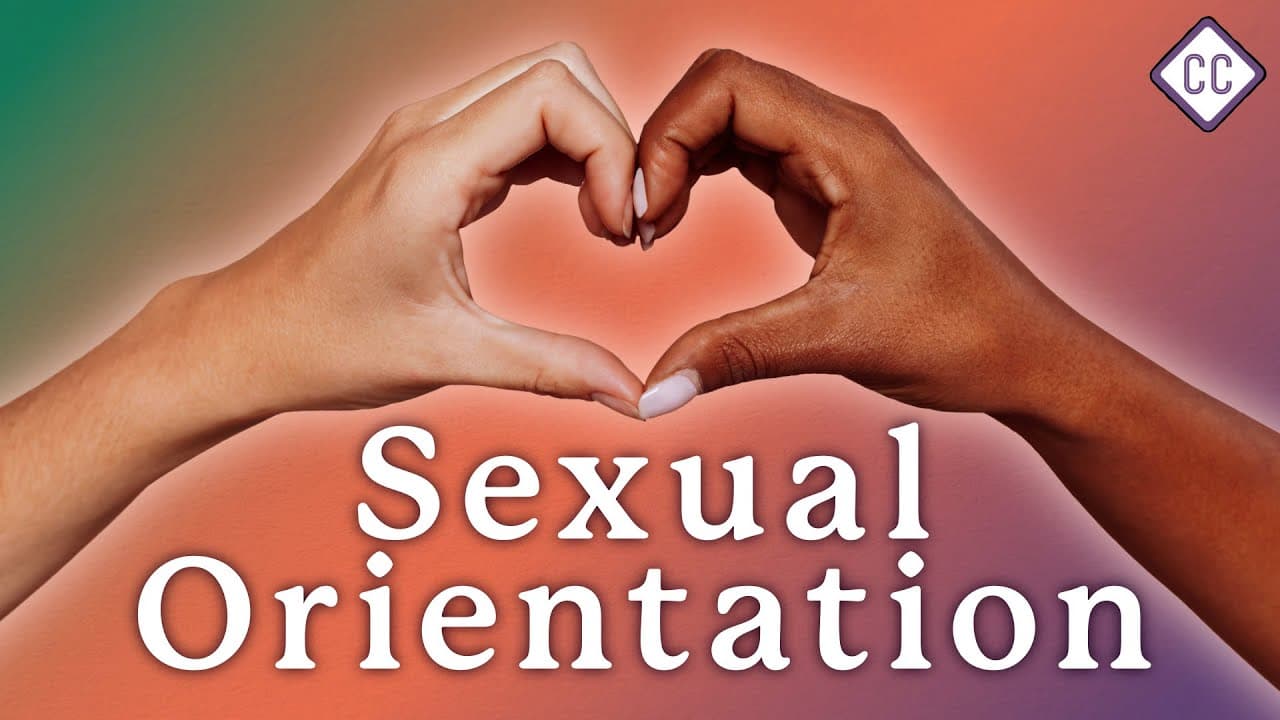
Unpacking Sexual Orientation: Sex Ed #5
TL;DR
Explores sexual orientation's spectrum and historical perspectives.
Transcript
My first crush was my neighbor, Devin, who aside from once participating in a “Shan Boooooo” chant, I’m not sure knew who I was. But despite that small detail, I genuinely believed we were made for each other. And that crush was followed by a cascade of crushes. When I was a preteen, I used to serenade the boy band posters on my walls. You coul... Read More
Key Insights
- Sexual orientation exists on a spectrum, not limited to binary opposites, encompassing a wide range of identities.
- Historical perspectives on sexuality show diversity was common in ancient cultures, but religious and cultural beliefs later stigmatized non-heterosexual orientations.
- Dr. John Fryer's anonymous speech in 1972 was pivotal in removing homosexuality from the DSM's list of mental illnesses.
- Genetic studies suggest a connection between DNA and sexual orientation, though it is not solely determined by genetics.
- Sexual fluidity indicates that attractions can change over time due to various personal and social factors.
- Conversion therapy has been denounced by major medical associations due to its ineffectiveness and associated mental health risks.
- The LGBTQIA+ acronym has expanded over time to include diverse sexual orientations and gender identities, promoting community and inclusivity.
- Pride parades celebrate the LGBTQIA+ community's diversity, with an estimated 20 million LGBTQ+ adults in the U.S. alone.
Install to Summarize YouTube Videos and Get Transcripts
Explore YouTube Video Summarizer or Get YouTube Transcript Extractor
Questions & Answers
Q: What historical factors contributed to the stigmatization of non-heterosexual orientations?
The stigmatization of non-heterosexual orientations can be traced back to religious and cultural beliefs, particularly after the rise of Christianity in ancient Rome. Christian scripture prohibiting same-sex intercourse and the teachings of philosopher Thomas Aquinas, who claimed such behavior was unnatural, fueled discrimination. These beliefs were further spread through Christian missionary work and European colonization, perpetuating stigmatization for centuries.
Q: How did Dr. John Fryer's speech impact the perception of homosexuality in psychiatry?
Dr. John Fryer's speech at the 1972 American Psychiatric Association conference was pivotal in changing the perception of homosexuality in psychiatry. Disguised as Dr. Anonymous, he challenged the classification of homosexuality as a mental illness. His speech encouraged closeted psychiatrists to embrace their identities, leading to the removal of homosexuality from the DSM as a mental disorder the following year, marking a significant shift in psychiatric understanding.
Q: What does the concept of sexual fluidity entail?
Sexual fluidity refers to the idea that an individual's sexual attractions can change and evolve over time. It challenges the notion of fixed sexual orientations, suggesting that people might experience shifts in their attractions due to personal, social, or environmental factors. This concept highlights the complexity of human sexuality, acknowledging that attractions are not necessarily static and can vary throughout a person's life.
Q: What evidence exists for a genetic link to sexual orientation?
Studies have found evidence suggesting a genetic link to sexual orientation, though it is not solely determined by genetics. Research on identical twins shows a higher likelihood of shared sexual orientation, and a 2019 study identified hundreds or thousands of genes that may influence sexual orientation. These genes' activation is likely affected by internal factors like hormones, indicating a complex interplay between biology and environment.
Q: Why is conversion therapy widely denounced by medical associations?
Conversion therapy is widely denounced by medical associations, including the American Psychiatric Association and the American Medical Association, due to its ineffectiveness and associated mental health risks. Studies have shown that attempts to forcibly change an individual's sexual orientation can lead to significant psychological harm. These therapies often involve harmful practices such as medication, talk therapy, and humiliation, contributing to their widespread condemnation.
Q: How has the LGBTQIA+ acronym evolved over time?
The LGBTQIA+ acronym has evolved to include a broad range of sexual orientations and gender identities, reflecting a more inclusive understanding of human diversity. Initially starting with LG for lesbian and gay, it expanded over the years to include bisexual, transgender, intersex, queer, asexual, and other identities. This evolution highlights the growing recognition of diverse experiences within the community and the importance of inclusivity in addressing oppression and injustice.
Q: What is the significance of pride parades for the LGBTQIA+ community?
Pride parades hold significant importance for the LGBTQIA+ community as celebrations of diversity, visibility, and acceptance. They provide a platform for individuals to express their identities openly and proudly, fostering a sense of community and solidarity. With an estimated 20 million LGBTQ+ adults in the U.S., pride events also serve as opportunities to raise awareness about ongoing struggles against discrimination and to advocate for equal rights and social justice.
Q: What role do personal and social factors play in sexual orientation?
Personal and social factors play a significant role in shaping an individual's sexual orientation. While genetics and biology may contribute to sexual orientation, these factors alone do not determine it. Personal experiences, social environments, and cultural contexts can influence attractions and identities, contributing to the concept of sexual fluidity. This understanding emphasizes the complex interplay between various influences in determining who we are attracted to and how we identify.
Summary & Key Takeaways
-
The video explores the concept of sexual orientation, emphasizing its spectrum nature and historical context. It highlights the stigmatization of non-heterosexual orientations due to religious beliefs, particularly post-Christianity's rise in Rome, and the impact of Dr. John Fryer's 1972 speech on changing perceptions.
-
Scientific studies suggest a genetic link to sexual orientation, though it's not deterministic. The concept of sexual fluidity is introduced, showing that attractions can evolve over time due to various influences, challenging the notion of fixed orientations.
-
The LGBTQIA+ acronym has evolved to include diverse identities, reflecting a growing understanding and acceptance of sexual orientation variations. The video underscores the importance of community, inclusivity, and the ongoing struggle against oppression and injustice faced by marginalized identities.
Read in Other Languages (beta)
Share This Summary 📚
Summarize YouTube Videos and Get Video Transcripts with 1-Click
Try YouTube Summary with ChatGPT & Claude or YouTube Transcript Generator
Explore More Summaries from CrashCourse 📚



Summarize YouTube Videos and Get Video Transcripts with 1-Click
Try YouTube Summary with ChatGPT & Claude or YouTube Transcript Generator