How Does Copyright Affect Political Campaigns?
TL;DR
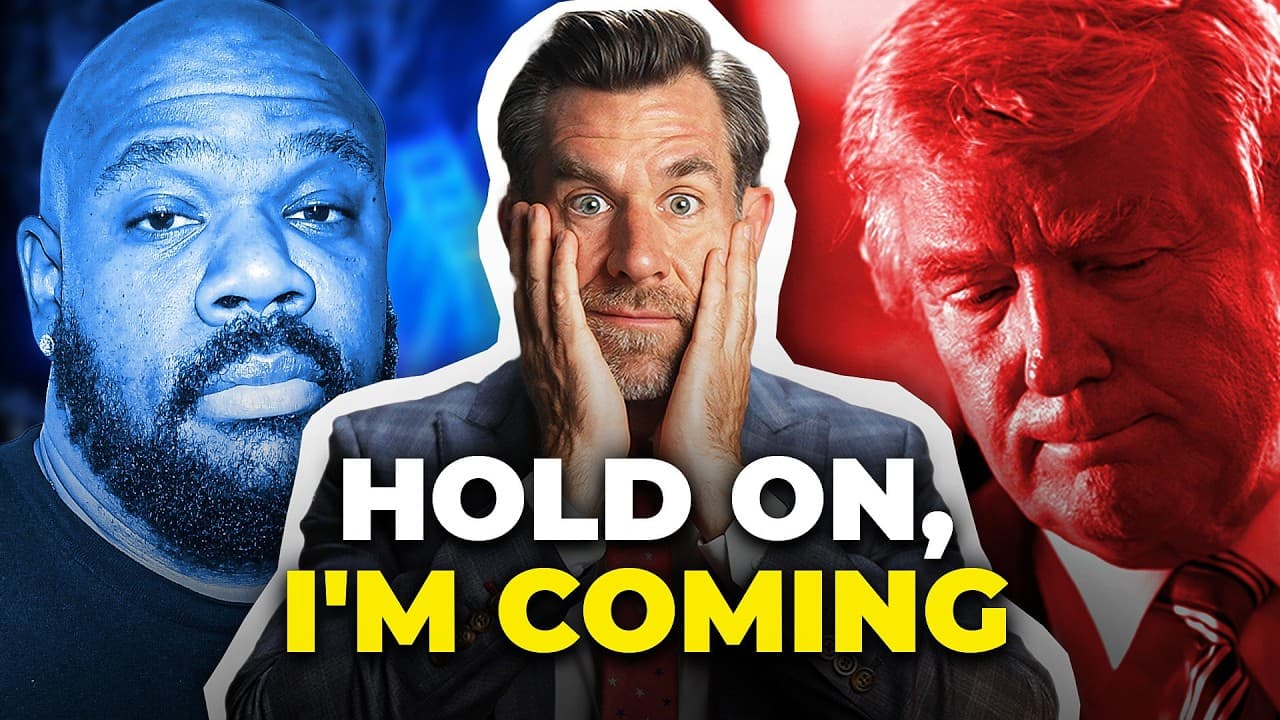
Isaac Hayes' estate successfully obtained a court order preventing Donald Trump from using the song 'Hold On, I'm Coming' at his campaign events due to copyright infringement. The estate argued unauthorized use of the song caused irreparable harm, and a judge agreed, issuing a preliminary injunction. This case highlights the importance of securing proper licenses for music in public performances.
Transcript
- [Narrator] Apparently Isaac Hayes, yes, the songwriter and musician has done what the entire Justice Department could not. They've gotten former President Trump to shut up. Yes, this is the confluence of presidential law and musical copyright. I was born for this. Because this just in, none of the cool kids want Donald Trump using their music in ... Read More
Key Insights
- Isaac Hayes' estate won a preliminary injunction against Trump for unauthorized use of 'Hold On, I'm Coming'.
- Public performance of copyrighted music requires a license, even for political campaigns.
- The Hayes estate argued that unauthorized use of the song caused irreparable harm.
- A federal judge ruled Trump must stop using the song but did not order removal of existing videos.
- Copyright law allows artists to control the public performance of their works for life plus 70 years.
- BMI can exclude songs from political licenses if songwriters object to their use.
- Trump's defense claimed a license from BMI, but the Hayes estate demonstrated exclusion from the agreement.
- The case exemplifies the legal complexities surrounding music rights in political contexts.
Install to Summarize YouTube Videos and Get Transcripts
Explore YouTube Video Summarizer or Get YouTube Transcript Extractor
Questions & Answers
Q: How does copyright affect the use of music in political campaigns?
Copyright law requires political campaigns to obtain licenses for public performances of music. Unauthorized use can lead to legal action and injunctions, as seen in the case of Isaac Hayes' estate against Donald Trump. The estate argued that the unauthorized use of 'Hold On, I'm Coming' caused irreparable harm, leading to a court order stopping its use. This highlights the need for campaigns to secure proper licenses to avoid infringement.
Q: What was the outcome of the lawsuit between Isaac Hayes' estate and Donald Trump?
Isaac Hayes' estate won a preliminary injunction against Donald Trump, preventing him from using the song 'Hold On, I'm Coming' at his campaign events. The court found that the unauthorized use of the song could cause irreparable harm to the estate's business reputation and goodwill. The judge ruled that Trump's campaign must stop using the song without proper licensing, although existing videos were not ordered to be removed.
Q: Why did the Hayes estate file a lawsuit against Trump's campaign?
The Hayes estate filed a lawsuit against Trump's campaign due to the unauthorized use of the song 'Hold On, I'm Coming' at campaign events. They argued that Trump's use of the song without a valid public performance license constituted copyright infringement, causing irreparable harm to the estate's business reputation and goodwill. The lawsuit sought to prevent further unauthorized use and protect the estate's rights under copyright law.
Q: What legal arguments did Trump's campaign use in response to the lawsuit?
Trump's campaign argued that they had obtained a music license from BMI, which they believed authorized the use of 'Hold On, I'm Coming'. However, the Hayes estate demonstrated that the song was excluded from the agreement due to objections from the songwriters. Trump's defense also claimed that the estate delayed in objecting to the song's use, but the court sided with the estate, leading to a preliminary injunction.
Q: What is the significance of a preliminary injunction in this case?
A preliminary injunction is a court order that temporarily prohibits an action, in this case, the use of 'Hold On, I'm Coming' by Trump's campaign. It is significant because it stops the unauthorized use of the song while the lawsuit is ongoing, protecting the estate's rights and interests. The court found that the estate showed a likelihood of success on the merits and that irreparable harm would occur without the injunction.
Q: How does the BMI license agreement affect the use of music in political campaigns?
The BMI license agreement allows political campaigns to use certain songs, but songwriters can exclude their works by objecting to their use. In this case, the Hayes estate showed that the song 'Hold On, I'm Coming' was excluded from Trump's BMI license due to objections from the songwriters. This demonstrates the importance of verifying the scope of licenses and respecting exclusions to avoid copyright infringement.
Q: What role do music publishers play in copyright disputes?
Music publishers manage the rights to songs, including licensing and collecting royalties. They can object to unauthorized use and take legal action on behalf of the rights holders. In the case of Isaac Hayes' estate, music publishers like Universal Music Group and Warner Chappell Music sent cease and desist letters to Trump's campaign, asserting the estate's rights and contributing to the legal dispute over the song's use.
Q: What are the potential consequences of unauthorized music use in political campaigns?
Unauthorized use of music in political campaigns can lead to legal action, including lawsuits for copyright infringement and injunctions to stop further use. Campaigns may face financial penalties, damage to reputation, and the requirement to remove infringing content. The case between Isaac Hayes' estate and Trump's campaign highlights these risks and underscores the importance of securing proper licenses for music used in public performances.
Summary & Key Takeaways
-
Isaac Hayes' estate obtained a court order stopping Donald Trump from using the song 'Hold On, I'm Coming' without permission. The court found that unauthorized use of the song by Trump's campaign could cause irreparable harm to the estate's business reputation and goodwill. This case underscores the necessity of acquiring appropriate licenses for music used in public performances, especially in political campaigns.
-
A federal judge ruled that Trump's campaign must cease using the song due to lack of a proper license, highlighting the importance of copyright compliance. The Hayes estate successfully argued that the song's use without permission resulted in damage to their interests, leading to a preliminary injunction. This legal battle illustrates the complexities of music rights management in political events.
-
The dispute arose when the Trump campaign used the song over 133 times without securing a valid public performance license. Despite claiming a BMI license, the Hayes estate showed the song was excluded from the agreement, leading the court to side with the estate. This case emphasizes the critical role of copyright law in protecting artists' rights and controlling the use of their works.
Read in Other Languages (beta)
Share This Summary 📚
Summarize YouTube Videos and Get Video Transcripts with 1-Click
Try YouTube Summary with ChatGPT & Claude or YouTube Transcript Generator
Explore More Summaries from LegalEagle 📚
Summarize YouTube Videos and Get Video Transcripts with 1-Click
Try YouTube Summary with ChatGPT & Claude or YouTube Transcript Generator