Teaching The Automatic Sit When Halted at The Tom Rose School
TL;DR
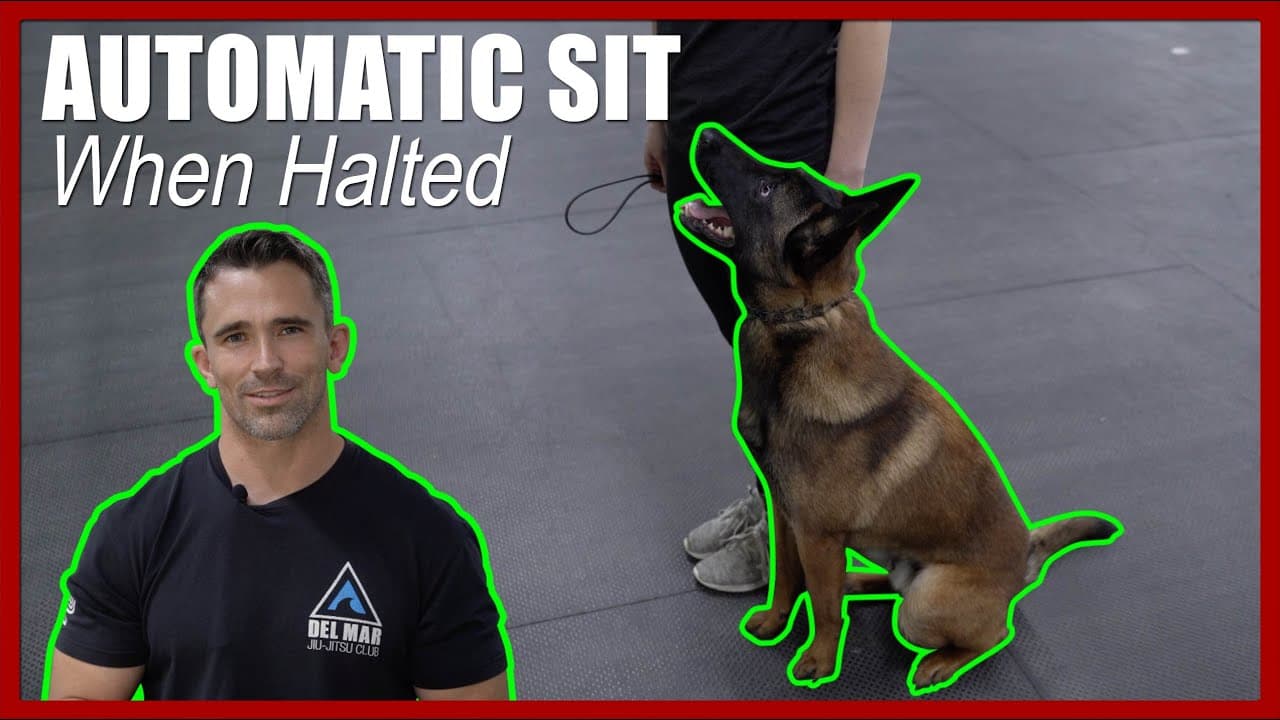
Learn how to train dogs for an automatic sit when halted.
Transcript
thanks again for joining us and welcome back to another episode here at the tom rose school and in today's video we are going to be teaching our dogs the automatic sit when halted this is another exercise that you're going to see in a lot of different competitive obedience routines but even if you're just training your own dog and you want good sol... Read More
Key Insights
- The automatic sit is a desired behavior in both competitive obedience routines and general pet training, emphasizing its importance for well-trained dogs.
- Tom Rose School focuses on teaching this skill with minimal negative reinforcement, preferring positive reinforcement to keep dogs motivated and happy.
- Using food instead of toys during training is recommended to maintain the dog's focus and prevent crooked positioning during the sit.
- The tucking sit is preferred over a rocking sit for maintaining straight posture, which is crucial for competitive scoring and effective training.
- The use of a bench during training provides better control for the handler, facilitating correction and encouraging proper sit posture.
- Consistency in verbal and body signals is key to teaching the automatic sit, with the handler's stopping motion acting as the cue for the dog to sit.
- The Tom Rose School emphasizes the importance of early training and imprinting to instill correct behaviors from a young age, making future corrections easier.
- Graduates from the Tom Rose School are highly regarded in the industry, known for their comprehensive training and successful careers in dog training.
Install to Summarize YouTube Videos and Get Transcripts
Explore YouTube Video Summarizer or Get YouTube Transcript Extractor
Questions & Answers
Q: What is the focus of the video?
The video focuses on teaching dogs the automatic sit when halted, which is a valuable skill in both competitive obedience routines and general pet training. The method emphasizes positive reinforcement to encourage dogs to sit automatically without a verbal command when the handler stops.
Q: Why is positive reinforcement preferred in training?
Positive reinforcement is preferred because it keeps the dog motivated and happy, encouraging them to perform the desired behavior willingly. This approach reduces the need for negative reinforcement, which can lead to reluctance or fear in the dog, and instead rewards them with treats or toys for correct behavior.
Q: What is the difference between a tucking sit and a rocking sit?
A tucking sit involves the dog sitting with its front feet stationary and its rear end tucking under, resulting in a straight posture. In contrast, a rocking sit involves the dog moving its front feet backward, which can lead to a crooked sit and is less desirable for competitive scoring and effective training.
Q: Why is using a bench beneficial in training?
Using a bench during training is beneficial because it allows the handler to maintain closer control over the dog, making it easier to correct posture and ensure the dog sits straight. This setup facilitates better communication and correction, especially for teaching the tucking sit.
Q: How does the handler's stopping motion serve as a cue?
The handler's stopping motion acts as a non-verbal cue for the dog to sit automatically. By consistently associating the act of stopping with the command to sit, the dog learns to anticipate and respond to the handler's body language, ensuring a quick and correct sit without needing a verbal command.
Q: What role does early training play in teaching the automatic sit?
Early training and imprinting are crucial for instilling the correct behaviors from a young age. By teaching puppies the tucking sit and automatic response to the handler's cues early on, trainers can prevent future issues and ensure the dog maintains proper posture and response throughout its life.
Q: What is the reputation of the Tom Rose School in the industry?
The Tom Rose School is highly regarded in the dog training industry for its comprehensive and effective training programs. Graduates from the school are known for their expertise and successful careers, often leading in competitive events and operating successful training businesses worldwide.
Q: How does the Tom Rose School ensure its graduates are well-prepared?
The Tom Rose School ensures its graduates are well-prepared by offering a curriculum that combines lectures, demonstrations, and hands-on experience. This approach equips students with the skills and knowledge needed to meet industry-recognized objectives, fostering successful careers in dog training.
Summary & Key Takeaways
-
The video focuses on teaching dogs the automatic sit when halted, a key skill in competitive obedience and general training. Tom Rose School's approach emphasizes positive reinforcement to maintain a happy and motivated dog, using food over toys to ensure straight sitting.
-
Proper posture, specifically the tucking sit, is crucial for scoring in competitions and effective training. Consistency in commands and body signals is essential, with the handler's stopping motion serving as the cue for the dog to sit automatically.
-
Using a bench helps handlers maintain control and correct posture during training. The Tom Rose School's comprehensive program ensures graduates are well-prepared, with a reputation for producing successful dog trainers worldwide.
Read in Other Languages (beta)
Share This Summary 📚
Summarize YouTube Videos and Get Video Transcripts with 1-Click
Try YouTube Summary with ChatGPT & Claude or YouTube Transcript Generator
Explore More Summaries from Nate Schoemer 📚



Summarize YouTube Videos and Get Video Transcripts with 1-Click
Try YouTube Summary with ChatGPT & Claude or YouTube Transcript Generator