How to Manage Multiple Domains for SEO
TL;DR
Using a canonical tag is an effective way to manage multiple domains, especially when one domain has more SEO value. It helps consolidate signals to the preferred domain, ensuring search engines understand which domain should be prioritized. This practice is beneficial for maintaining SEO value while using shorter or alternative domains for marketing purposes.
Transcript
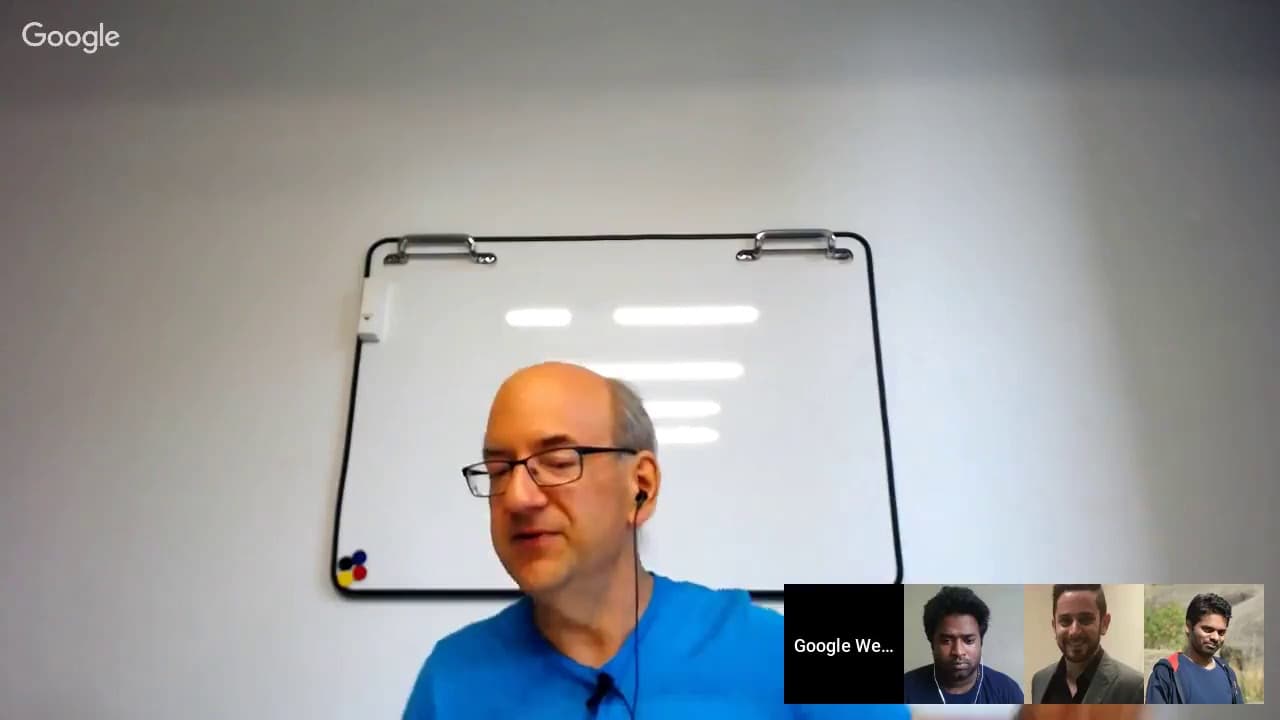
JOHN MUELLER: All right. Welcome everyone to today's Google Webmaster Central Office Hours Hangouts. My name is John Mueller. I'm a webmaster trends analyst here at Google in Switzerland. And part of what we do are these Office Hours Hangouts, where webmasters can join us and ask questions, discuss topics around web search, websites. As always, if ... Read More
Key Insights
- Canonical tags are useful for managing multiple domains by consolidating SEO signals to a preferred domain.
- Using a shorter domain for offline advertising while maintaining SEO value on the main domain is a common practice.
- Randomly generated URLs on e-commerce sites can cause duplication issues, affecting crawl efficiency.
- Title attributes on image links help search engines understand site structure and context.
- Footer links should be limited to reasonable numbers to avoid appearing as keyword stuffing.
- Affiliate sites can list depot locations without affecting rankings if content is relevant.
- Structured data must comply with policies to avoid losing rich snippets in search results.
- Quality content should aim to be significantly better than competitors to ensure high rankings.
Install to Summarize YouTube Videos and Get Transcripts
Explore YouTube Video Summarizer or Get YouTube Transcript Extractor
Questions & Answers
Q: How to manage multiple domains for SEO?
Using a canonical tag is an effective way to manage multiple domains. This tag helps consolidate SEO signals to the preferred domain, ensuring search engines understand which domain should be prioritized. It's particularly useful when you have a shorter domain for marketing purposes but want to maintain SEO value on a domain with more established SEO presence.
Q: What should I do about randomly generated URLs on my e-commerce site?
Randomly generated URLs can cause duplication, affecting how search engines crawl and index your site. It's important to investigate the source of the duplication and address it to prevent future issues. While it may not be urgent, resolving it helps maintain site quality and ensures important content is not overlooked by search engines.
Q: Do title attributes on image links help with SEO?
Yes, title attributes on image links can help search engines understand the site structure and context of linked pages. If image links are used, it's beneficial to include alt text or a title attribute to provide search engines with relevant information about the linked content, aiding in indexing and ranking.
Q: Is it okay to have many links in the footer of my website?
It's generally okay to have some links in the footer, but they should be limited to a reasonable number. Excessive links can appear as keyword stuffing, which search engines may ignore. It's best to have only essential links like locations or important pages, avoiding long anchor text that resembles keyword stuffing.
Q: Will listing depot locations affect my affiliate site's ranking?
Listing depot locations from the company you're affiliated with is generally fine and won't negatively impact rankings. As long as the content is relevant and adds value to your site visitors, it should not harm your site's performance in search results.
Q: What happens if my structured data doesn't comply with Google's policies?
Non-compliance with structured data policies can result in a manual action where rich snippets are removed from search results. While this won't demote your site's ranking, it will prevent rich snippets from appearing, which may impact visibility. It's important to ensure structured data is correctly implemented and transparent.
Q: How does Google judge page quality besides backlinks?
Google uses various signals to assess page quality, but targeting these signals directly isn't effective. Instead, focus on creating high-quality content that meets user expectations. By ensuring your content is significantly better than competitors, it naturally aligns with Google's goal of providing high-quality search results.
Q: How long should I wait for organization markup to appear in search results?
There is no specific timeline for organization markup to appear in search results. It may take time for Google to process and display this information. Ensuring consistency across platforms, such as Google My Business, can help reinforce the information and potentially expedite its appearance in search results.
Summary & Key Takeaways
-
Canonical tags help manage multiple domains by consolidating SEO signals to the preferred domain, ensuring search engines prioritize it. This is particularly useful when using shorter domains for offline marketing.
-
Randomly generated URLs on e-commerce sites can cause duplication issues, potentially affecting how search engines crawl and index content. It's important to address this to maintain site quality.
-
Structured data must comply with Google's policies to avoid losing rich snippets. Quality content should aim to be significantly better than competitors to ensure high rankings.
Read in Other Languages (beta)
Share This Summary 📚
Summarize YouTube Videos and Get Video Transcripts with 1-Click
Try YouTube Summary with ChatGPT & Claude or YouTube Transcript Generator
Explore More Summaries from Google Search Central 📚

Summarize YouTube Videos and Get Video Transcripts with 1-Click
Try YouTube Summary with ChatGPT & Claude or YouTube Transcript Generator