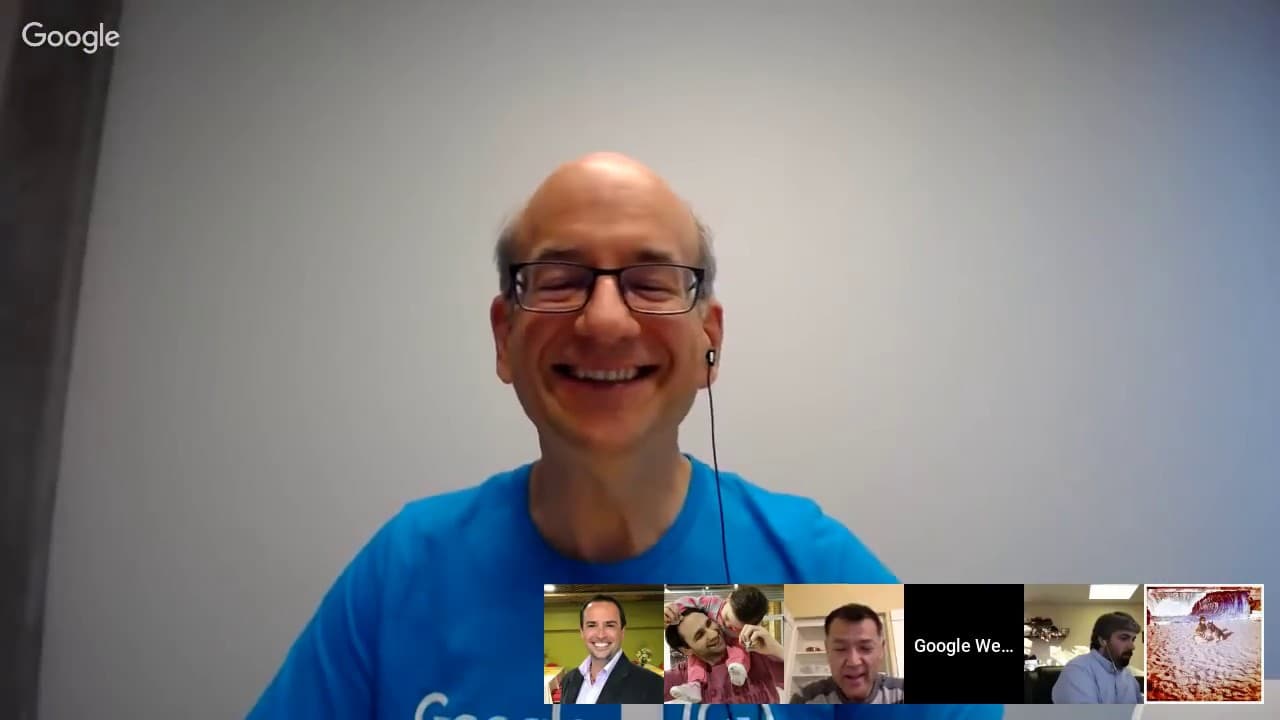
English Google Webmaster Central office-hours hangout
TL;DR
Discussion on SEO issues like manual actions, indexing, and structured data.
Transcript
JOHN MUELLER: All right, welcome, everyone, to today's Webmaster Central Office Hours Hangouts. My name is John Mueller. I'm a webmaster trends analyst here at Google in Switzerland. And part of what we do are these Office Hours Hangouts. Looks like a bunch of questions were submitted already, but if any of you want to get started with the first qu... Read More
Key Insights
- Manual actions for spam do not necessarily affect the entire site; specific URLs may be removed while the rest of the site functions normally.
- JavaScript dropdowns can affect Google’s ability to crawl content; ensure mobile and desktop versions are functional.
- Structured data warnings occur when fields are empty; it's best to omit markup if there are no reviews.
- Ad disapprovals and search misinterpretations may arise from keyword context; structured data might help clarify business intent.
- Search Console's 'Discovered but not indexed' status is normal; not all URLs are indexed.
- Mobile-first indexing does not inherently cause traffic drops; changes in ranking could be due to core updates.
- Canonical tags on paginated pages should point to themselves unless a different strategy is required.
- For annual content, consider using a generic URL for current versions and archiving older content.
Install to Summarize YouTube Videos and Get Transcripts
Explore YouTube Video Summarizer or Get YouTube Transcript Extractor
Questions & Answers
Q: How should manual actions be handled for user-generated spam?
Manual actions for user-generated spam are specific to certain URLs and do not impact the entire site. Google removes these URLs to prevent them from appearing in search results, and the rest of the site should function normally. It's advisable to prevent new spam pages from being indexed.
Q: What should be done if Google's crawler cannot see JavaScript dropdowns?
Ensure that the dropdowns are functional on both mobile and desktop versions. Google's current indexing uses the desktop version, but mobile-first indexing may be implemented. Use tools like the mobile-friendly test to verify that internal links are accessible on mobile.
Q: What causes structured data warnings for aggregate rating?
Warnings occur when fields like aggregate rating are empty. If no reviews exist, it's recommended to omit the review markup for those pages. Warnings indicate that rich results won't display, but they don't critically impact the rest of the structured data.
Q: How can search misinterpretations of business offerings be corrected?
Providing structured data that clearly defines the business offerings can help. If search engines misinterpret the context of terms (e.g., mistaking research materials for pharmaceuticals), clarifying through schema markup or other signals might aid in proper indexing.
Q: Why might URLs be 'discovered but not indexed'?
It's normal for Google not to index every discovered URL. This status means the URL was found but not indexed, possibly due to quality or relevance assessments. It's not necessarily a cause for concern unless critical pages are consistently not indexed.
Q: What could cause traffic drops after mobile-first indexing?
Traffic drops following mobile-first indexing are likely due to core algorithm updates rather than the indexing switch itself. Mobile-first indexing is implemented when a site is deemed ready, and any ranking changes are part of regular updates.
Q: How should canonical tags be handled for paginated pages?
Canonical tags on paginated pages should generally point to themselves unless a specific strategy dictates otherwise. Consider whether paginated pages should be indexed based on their content value and relevance.
Q: How should annual content updates be managed for SEO?
Use a generic URL for the current year's content to build link equity over time and archive older versions with year-specific URLs. This approach ensures the most current content is prominent while maintaining access to historical information.
Summary & Key Takeaways
-
John Mueller addresses various SEO concerns during the Google Webmaster Central office hours, focusing on issues like manual actions, indexing challenges, and structured data usage. Participants ask about the impact of user-generated spam and the effectiveness of using 410 status codes.
-
Discussion includes the challenges of JavaScript dropdowns and their impact on Google's ability to crawl content, highlighting the importance of ensuring both mobile and desktop versions are functional. Structured data warnings are also discussed, with recommendations to omit markup when fields are empty.
-
Mueller explains that changes in organic traffic post-mobile-first indexing are likely due to core updates, not the indexing switch. He advises on canonical tags for paginated pages and suggests strategies for handling annual content updates, such as using generic URLs for current versions.
Read in Other Languages (beta)
Share This Summary 📚
Summarize YouTube Videos and Get Video Transcripts with 1-Click
Try YouTube Summary with ChatGPT & Claude or YouTube Transcript Generator
Explore More Summaries from Google Search Central 📚
Summarize YouTube Videos and Get Video Transcripts with 1-Click
Try YouTube Summary with ChatGPT & Claude or YouTube Transcript Generator