What Is Gender Stratification and Why Is It Important?
TL;DR
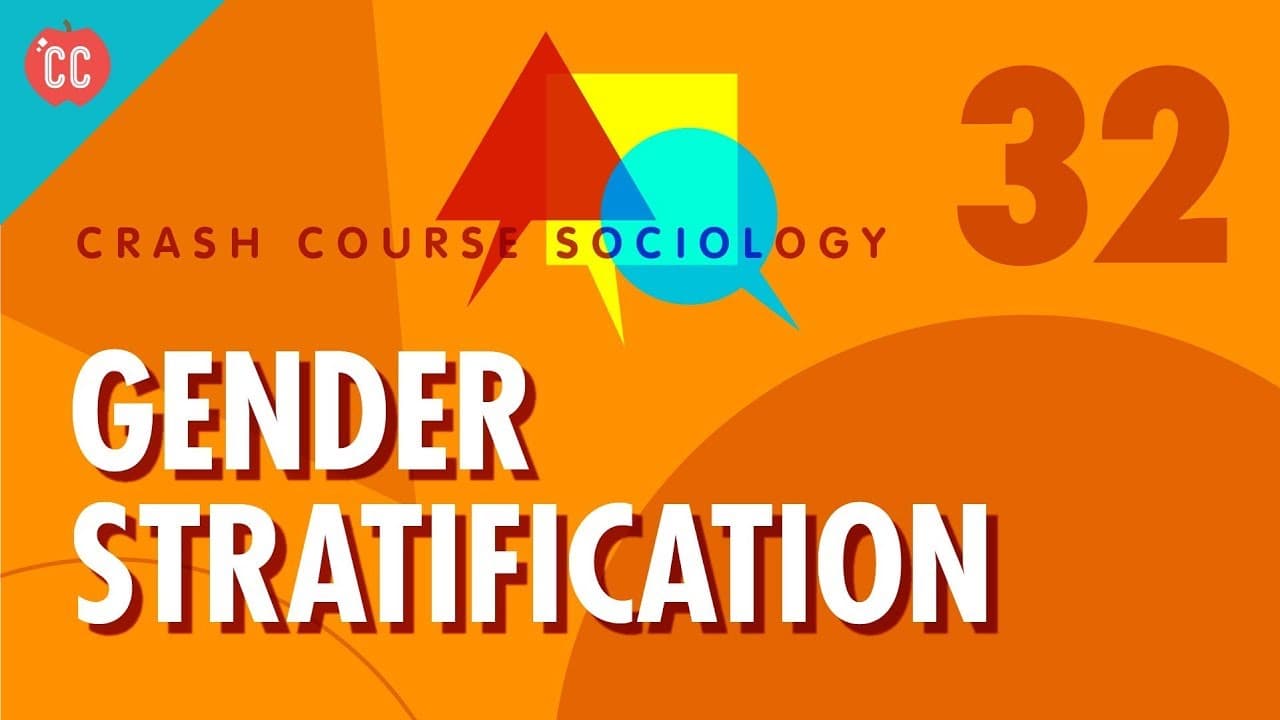
Gender stratification refers to the unequal distribution of wealth, power, and privilege across genders, primarily favoring men. It is maintained through societal norms such as patriarchy, gender socialization, and reinforced ideals of hegemonic masculinity. The consequences of gender stratification are evident in areas like education, employment, and wage disparities, affecting both men and women.
Transcript
Why do some people think that drinking black coffee is manly, while ordering a pumpkin spice latte is “girly?” Don’t let them fool you. Pumpkin spice has no gender. Pumpkin spice is for everyone. The gendering of inanimate objects is a super-common practice, and it’s a good example of how societies create markers of gender that have nothing to do w... Read More
Key Insights
- Gender roles are socially constructed, not biologically determined, influencing societal interactions and power dynamics.
- Gender stratification results in unequal distribution of wealth, power, and privilege across genders, often favoring men.
- Patriarchy is a social system where men hold more power, maintained through societal norms and attitudes.
- Hegemonic masculinity and emphasized femininity are societal ideals that reinforce traditional gender roles.
- Gender socialization begins at home and is reinforced by media and educational systems, shaping career and lifestyle choices.
- The 'second shift' phenomenon describes how women often handle more household responsibilities despite working full-time jobs.
- Title IX significantly increased female participation in sports, contributing to higher education opportunities for women.
- The gender wage gap persists due to societal influences on career choices and workplace norms, affecting women's economic status.
Install to Summarize YouTube Videos and Get Transcripts
Explore YouTube Video Summarizer or Get YouTube Transcript Extractor
Questions & Answers
Q: How does gender stratification affect societal organization?
Gender stratification affects societal organization by creating an unequal distribution of wealth, power, and privilege across genders. This often results in men holding more influential positions and having greater access to resources, which perpetuates a cycle of inequality and reinforces traditional gender roles in various aspects of life, from politics to the workplace.
Q: What is the 'second shift' phenomenon?
The 'second shift' phenomenon refers to the additional work that women often undertake at home after completing their professional workday. Despite working full-time jobs, women tend to handle more household responsibilities, such as cooking, cleaning, and childcare, compared to men. This phenomenon highlights the persistent gender inequality in domestic labor distribution.
Q: What impact did Title IX have on gender equality in education?
Title IX, a law prohibiting sex-based discrimination in public schools, significantly impacted gender equality in education by increasing female participation in sports. This led to more opportunities for women to receive sports scholarships, pursue higher education, and break into fields previously dominated by men. Title IX has been instrumental in promoting gender equality in educational settings.
Q: How do media representations influence gender roles?
Media representations play a crucial role in shaping and reinforcing gender roles by depicting stereotypical images of masculinity and femininity. Women are often portrayed as valuing youth, beauty, and thinness, while men are depicted as strong and dominant. These portrayals influence societal expectations and contribute to the perpetuation of traditional gender roles and stereotypes.
Q: What is hegemonic masculinity?
Hegemonic masculinity is a concept that describes the societal ideal of masculinity, characterized by traits such as strength, dominance, and heterosexuality. It is often exemplified by the archetypal male lead in action movies. This ideal reinforces male dominance in society and contributes to the marginalization of other gender expressions and identities.
Q: Why does the gender wage gap persist?
The gender wage gap persists due to a combination of factors, including societal influences on career choices, workplace norms, and gender socialization. Women often face barriers in negotiating salaries and advancing to leadership positions. Additionally, societal expectations regarding caregiving roles can lead to career interruptions, further widening the wage gap.
Q: How does patriarchy maintain gender inequality?
Patriarchy maintains gender inequality by establishing a social system where men hold more power and dominate other genders. This is achieved through societal norms, attitudes, and behaviors that favor men, perpetuating the belief that one gender is innately superior. Patriarchal systems are reinforced by cultural, political, and economic structures that prioritize male authority.
Q: What role does gender socialization play in career choices?
Gender socialization plays a significant role in shaping career choices by instilling societal expectations and norms related to gender roles from a young age. Children learn gender-specific behaviors and interests through family, media, and education, which influence their aspirations and decisions. This often leads to gendered career paths, with women and men clustering in different fields.
Summary & Key Takeaways
-
The video discusses how gender roles are socially constructed, influencing societal organization and power distribution. It emphasizes that gender stratification leads to unequal opportunities and privileges across genders, often favoring men. The concept of patriarchy and its maintenance through societal norms is also explored.
-
Hegemonic masculinity and emphasized femininity are highlighted as societal ideals that reinforce traditional gender roles. Gender socialization, beginning at home and reinforced by media and educational systems, significantly impacts career and lifestyle choices, perpetuating gender inequalities.
-
Title IX's role in increasing female sports participation is examined, along with its impact on women's higher education opportunities. The gender wage gap is analyzed, revealing societal influences on career choices and workplace norms that affect women's economic status and advancement.
Read in Other Languages (beta)
Share This Summary 📚
Summarize YouTube Videos and Get Video Transcripts with 1-Click
Try YouTube Summary with ChatGPT & Claude or YouTube Transcript Generator
Explore More Summaries from CrashCourse 📚




Summarize YouTube Videos and Get Video Transcripts with 1-Click
Try YouTube Summary with ChatGPT & Claude or YouTube Transcript Generator