Considering Consciousness | Dr Heather Berlin | Modern Wisdom Podcast 146
TL;DR
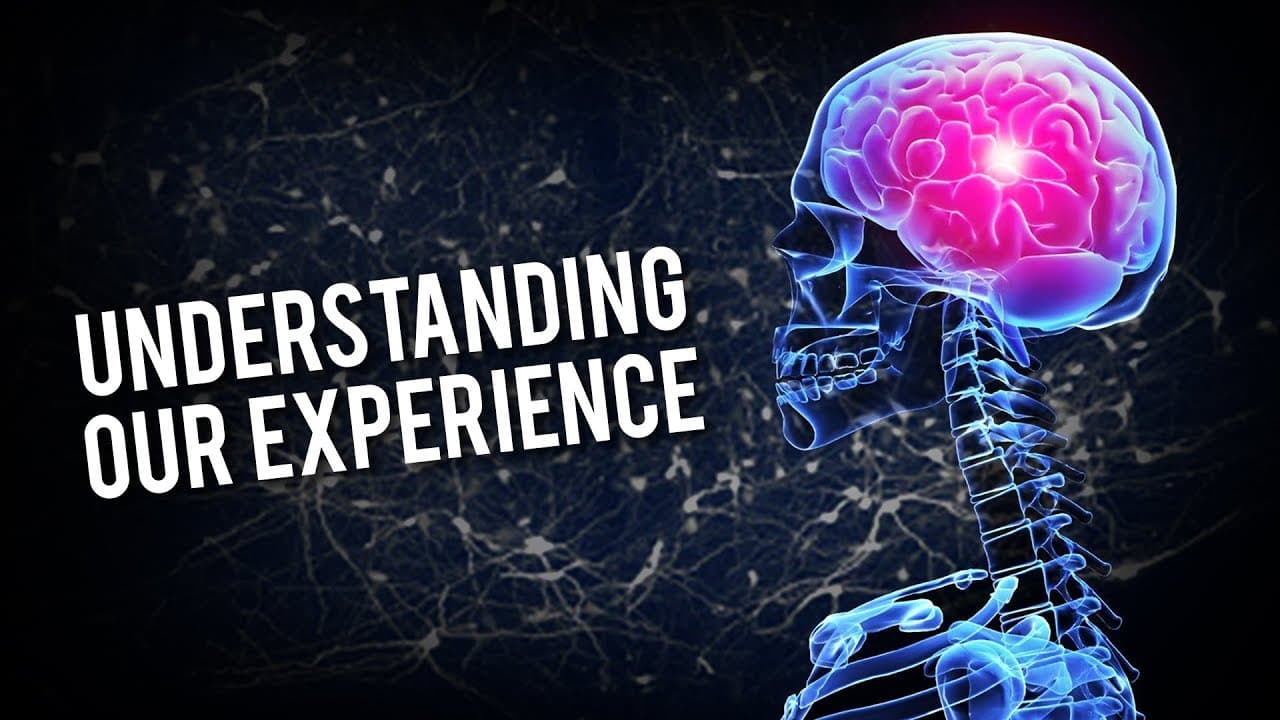
The strong illusion of free will helps us behave appropriately in social environments, but neuroscience studies suggest that our brain decides our actions before we consciously become aware of them.
Transcript
but you know the studies show that when you tell people they don't have free will like when you tell them about these neuroscience studies and then you test them after they're more likely that behaved unethically it's a cheat on an exam so the illusion of free will is actually very adaptive we've evolved to have this very strong sense of control ov... Read More
Key Insights
- 🥶 The strong illusion of free will has evolved to help us interact with social environments and behave appropriately.
- 🥶 Our brain decides our actions before we consciously become aware of them, challenging the concept of free will.
- 🧠 Consciousness is a subjective experience that arises from physical processes in the brain, but how this happens exactly is still being studied.
- 🤳 Different disorders and brain dysfunctions can affect our self-control, sense of self, and behavior.
- 🧑⚕️ Novel treatments using psychedelics show potential in treating mental health disorders, such as PTSD, anxiety, and depression.
- 🤳 Our conscious experiences and sense of self are constantly changing and evolving throughout our lives.
- 💦 The brain's memory and working memory systems play a crucial role in our sense of self and conscious awareness.
Install to Summarize YouTube Videos and Get Transcripts
Explore YouTube Video Summarizer or Get YouTube Transcript Extractor
Questions & Answers
Q: How does the illusion of free will benefit us in social environments?
The illusion of free will helps us behave appropriately and take responsibility for our actions, which promotes social interaction and conformity to social norms.
Q: Can the illusion of free will lead to unethical behavior?
Studies suggest that when people are made aware that they don't have free will, they are more likely to behave unethically or cheat, as they no longer feel responsible for their actions.
Q: How does the brain create our subjective awareness?
Cognitive neuroscientists like Heather Berlin study the neural basis of consciousness, trying to understand how the physical brain produces our subjective experiences and conscious states.
Q: Do animals have consciousness?
It is difficult to determine the extent of consciousness in animals, but studies show that animals have similar neural processes to humans, suggesting that they may have subjective experiences and consciousness to some degree.
Summary & Key Takeaways
-
The illusion of free will is adaptive and has evolved to help us interact with social environments by behaving appropriately.
-
Neuroscience studies show that our brain decides our actions before we consciously become aware of them, challenging the concept of free will.
-
Cognitive neuroscientist Heather Berlin is interested in understanding how the brain creates our conscious experiences and the unconscious processes that influence our behavior.
Read in Other Languages (beta)
Share This Summary 📚
Summarize YouTube Videos and Get Video Transcripts with 1-Click
Try YouTube Summary with ChatGPT & Claude or YouTube Transcript Generator
Explore More Summaries from Chris Williamson 📚




Summarize YouTube Videos and Get Video Transcripts with 1-Click
Try YouTube Summary with ChatGPT & Claude or YouTube Transcript Generator